 Dog Gear, Sized Right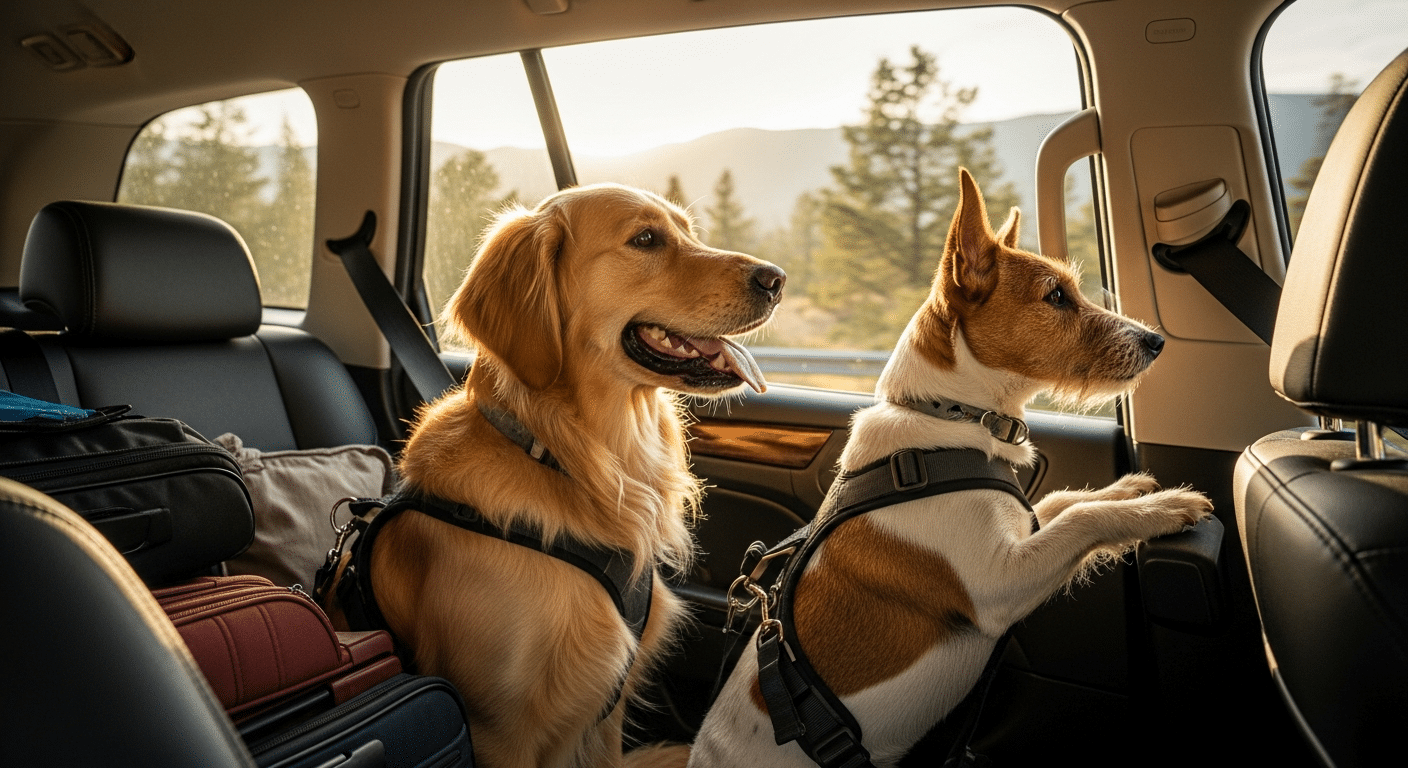
Traveling With Your Dog: The Complete Gear & Boarding Guide
Car safety, boarding and sitter options, road-trip and flying basics, and a print-ready packing checklist, everything you need to travel with your dog, with deep-dive guides for each piece of gear.
Traveling with your dog comes down to five things: keeping them safe in the car, choosing the right boarding or sitter when they can’t come, pacing a road trip, knowing the flying basics, and packing the right gear. This guide gives you the overview of all five, then points you to a dedicated, hands-on guide for each one.
The travel gear & boarding picks we trust
A boarding alternative for when your dog stays home, plus two car-safety picks, verified in stock. The deep detail lives in the linked sibling guides.
TrustedHousesitters
When you can’t take your dog, the least stressful option is often the one where your dog doesn’t go anywhere. TrustedHousesitters connects you with verified, background-checked sitters who stay in your home and care for your dog on its own turf, no kennel runs, no boarding fees per night, no upheaval for an anxious or senior dog. One annual membership covers unlimited sits, which usually works out far cheaper than a week of boarding. It’s our top pick for owners who travel a few times a year and want their dog kept to its normal routine. Compare it against kennels, daycare and in-home sitters in our boarding guide. 📖 Read our full dog boarding alternatives guide →
What we like
- Your dog keeps its own bed, yard and routine, minimal stress
- Flat annual fee can beat a single week of kennel boarding
- Sitters are ID-verified with reviews from past owners
- Two-way: you can also sit for others to travel cheaply yourself
The catches
- You’re hosting a stranger in your home, vetting matters
- Best booked weeks ahead for popular travel dates
- Not instant like dropping a dog at daycare
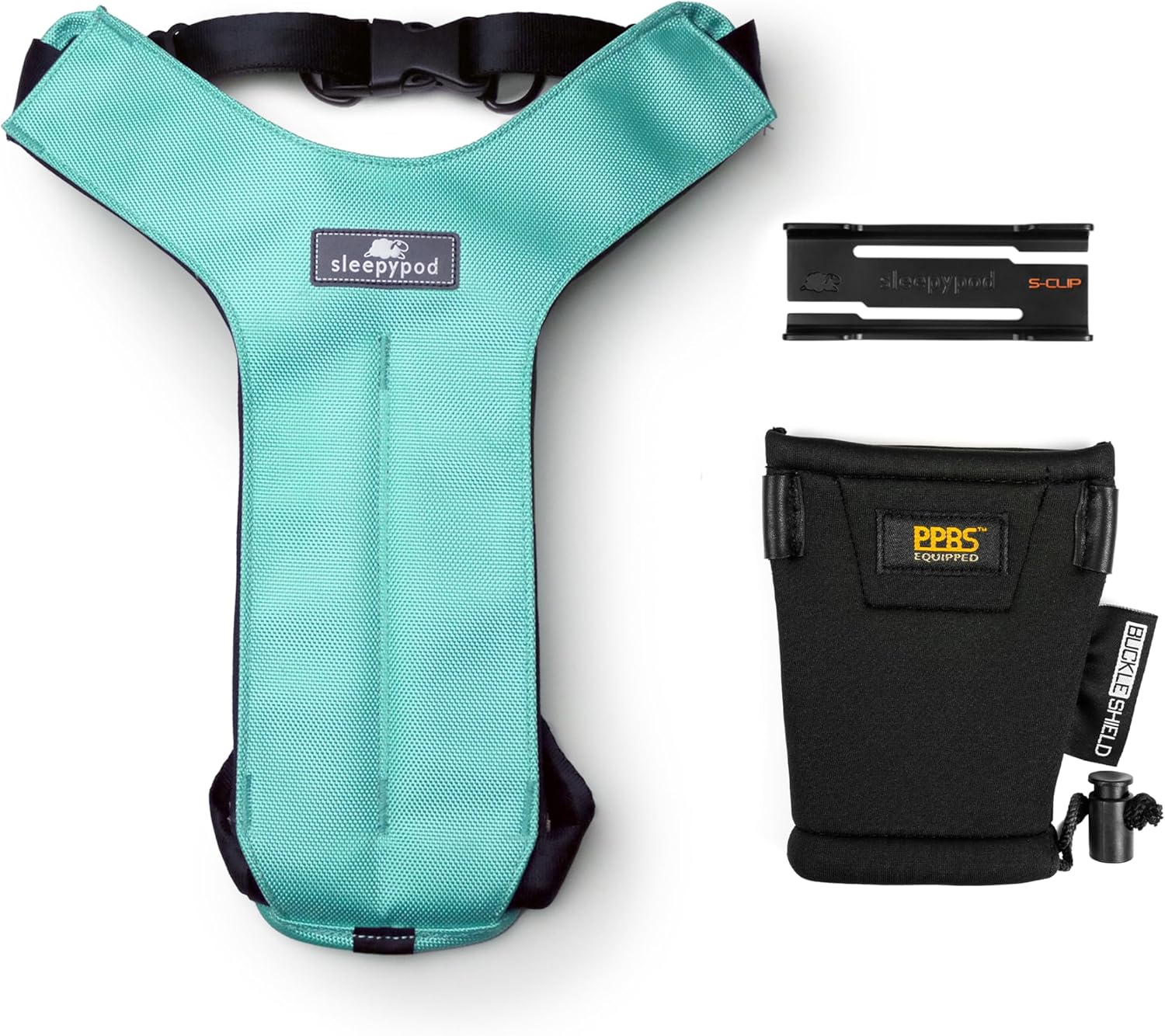
Sleepypod Clickit Sport Plus
If your dog rides loose in the car, this is the single upgrade that matters most. The Clickit Sport Plus is crash-tested and safety-certified, its three-point design and padded vest spread crash forces across the chest and shoulders instead of the neck, and it clicks straight into the seatbelt buckle. It’s the harness we point owners to when they want genuine occupant-style protection rather than a tether that just stops the dog roaming. Worth every cent for highway miles. 📖 Read our full dog car harness & seatbelt guide →
What we like
- Independently crash-tested, real restraint, not just containment
- Padded vest spreads force across the chest, not the neck
- Doubles as a walking harness at your destination
- Clicks into the standard seatbelt receiver, no extra hardware
The catches
- Premium price vs. a basic tether
- Needs correct sizing to perform, measure your dog
- Bulkier than a simple clip-on harness
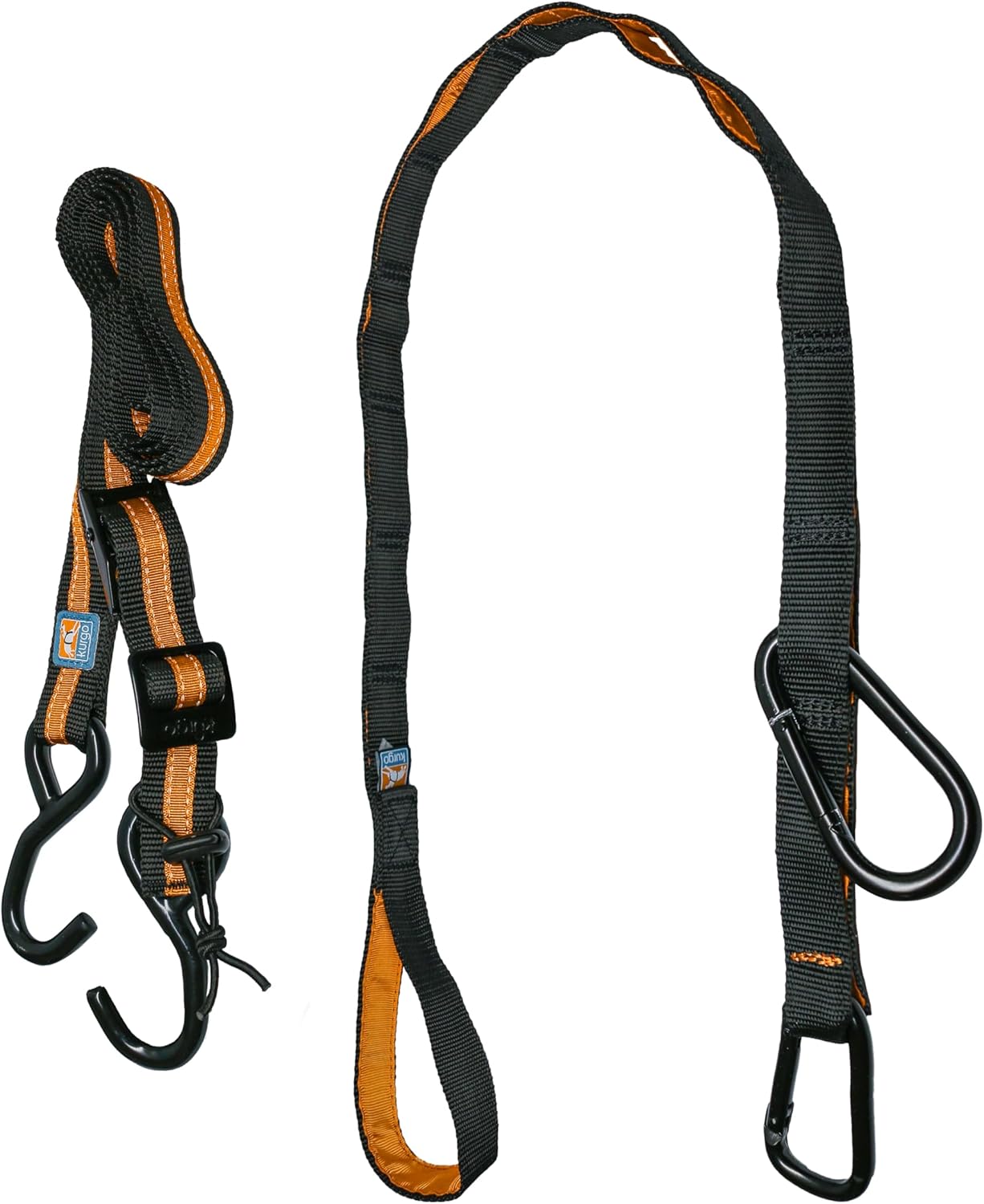
Kurgo Auto Zip Line + Tether
For a calm dog on shorter trips, the Kurgo Auto Zip Line is the easy, affordable way to stop your dog climbing into the front seat or pacing the cabin. A line runs between two anchor points across the back seat, and a swivel tether clips to your dog’s harness so it can sit, stand and lie down without wandering. It’s containment, not a crash harness, pair it with a real safety harness for highway driving, but at around $20 it’s a no-brainer first step toward a safer car. 📖 Read our full dog car harness & seatbelt guide →
What we like
- Stops a dog climbing forward or pacing, instant peace of mind
- Installs in seconds between two seat anchor points
- Swivel keeps the tether from tangling as the dog moves
- Cheap enough to add to any car today
The catches
- Containment only, not a crash-tested restraint
- Always clip to a harness, never a collar
- A determined chewer can damage the strap
How to prepare your dog before you go
Good trips start days before you leave, not at the curb. The dogs that travel well are the ones who are healthy, identified, and conditioned to the journey ahead of time. Walk through three things first:
- See your vet. Confirm vaccines are current, grab a copy of the records, and ask whether your dog needs anything for the destination (tick prevention, a motion-sickness or calming aid). If you’re flying, you’ll likely need a health certificate dated within 10 days of departure.
- Fix the ID. Make sure the collar tag and the microchip registry both show your current cell number, a chip is useless if it points at an old address. Snap a recent photo on your phone in case you need a “lost dog” flyer.
- Condition the dog. If your dog only rides to the vet, the car means “bad place.” Build up with treats in a parked car, then short loops, then longer drives so the carrier or harness feels normal before the big trip.
One rule overrides everything else: never leave your dog alone in a parked car. Even on a mild day the interior can reach lethal temperatures in minutes.
Car safety: harness, car seat, barrier or crate?
An unrestrained dog is a danger to itself and to you, it can distract the driver, be thrown in a sudden stop, or bolt out of an open door at a crash scene. Restraint is the most important travel decision you’ll make, and there are four good options depending on your dog and your car. We cover each in depth in its own guide; here’s how to choose:
- Crash-tested harness + seatbelt, the best all-round restraint for most dogs. A certified harness (like the Sleepypod above) spreads crash force across the chest and clips into the seatbelt. 📖 Read our full dog car harness & seatbelt guide →
- Dog car seat / booster, best for small dogs who want to see out; a raised, bolstered seat with an internal tether. 📖 Read our full best dog car seat guide →
- Cargo barrier, best for large dogs and SUVs/wagons, keeping the dog in the back without confining it to a crate. 📖 Read our full best dog car barrier guide →
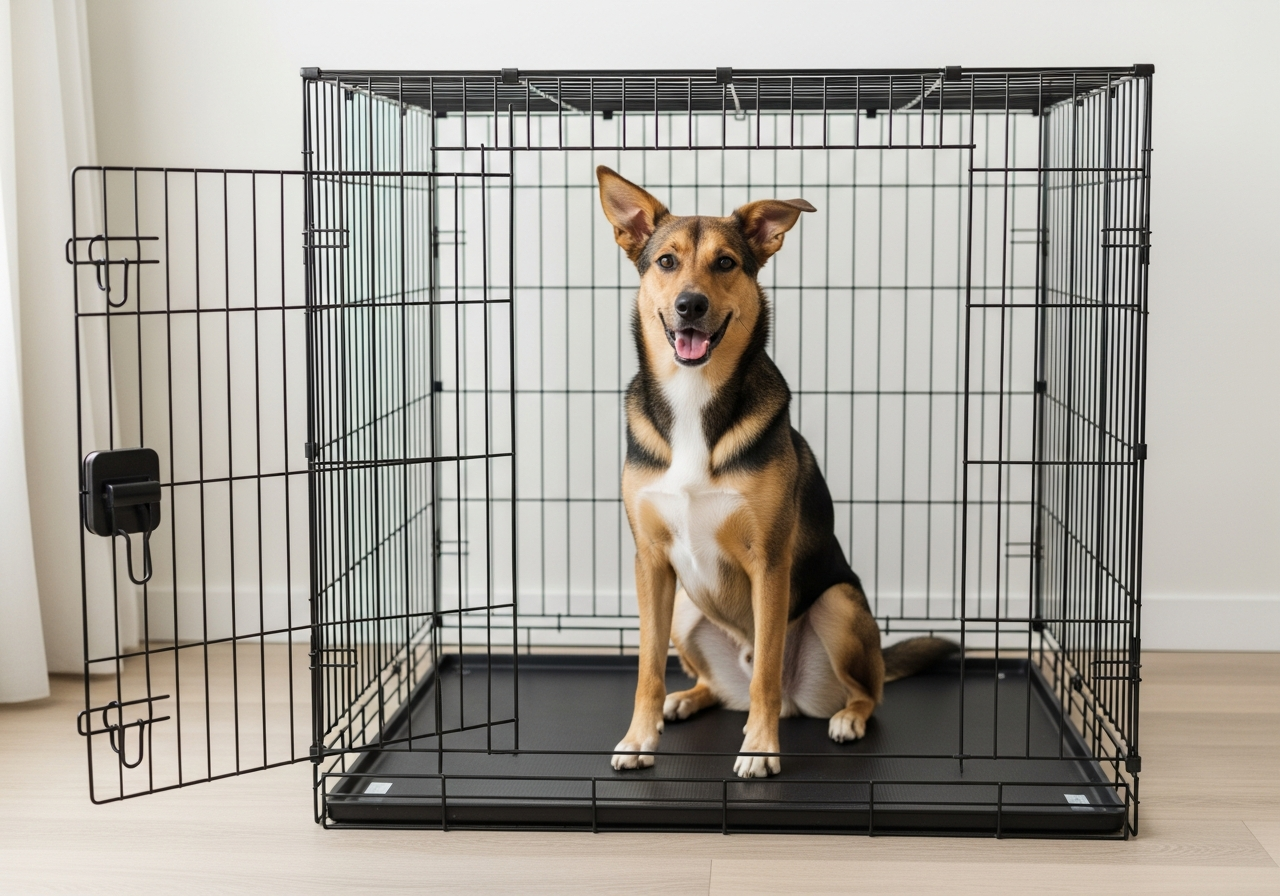
- Travel crate, the most protective option in a crash for a crate-trained dog; a rigid crate that’s secured so it can’t slide.
If your dog finds it hard to climb into a tall SUV or truck, common with seniors, puppies and big breeds, a folding ramp protects their joints and your back. 📖 Read our full best dog car ramp guide →
Boarding, sitters & daycare: what to do when your dog can’t come
Sometimes the kindest choice is to leave your dog behind. There are four mainstream options, and the right one depends on your dog’s temperament and how long you’ll be gone:
- In-home / house-sitting, a sitter stays in your home so your dog keeps its bed, yard and routine. Lowest stress, especially for anxious or senior dogs. Services like TrustedHousesitters (above) match you with vetted sitters on a flat annual fee.
- Pet sitter (drop-in), a sitter visits a few times a day to feed, walk and play. Good for independent dogs and shorter trips.
- Boarding kennel, your dog stays at a facility. Convenient and supervised, but it’s a new environment; look for one that requires vaccines and offers individual attention.
- Doggy daycare boarding, social, play-all-day boarding for confident, well-socialized dogs who love other dogs.
Whichever you pick, leave written feeding and medication instructions, your vet’s number, and an emergency contact. We break down the costs and trade-offs of each, and when house-sitting beats a kennel, in our dedicated guide. 📖 Read our full dog boarding alternatives guide →
Road trips: breaks, hydration & motion sickness
On a long drive, comfort and pacing matter as much as restraint. A few habits keep a road trip happy for everyone:
- Stop every 2 to 3 hours. The AVMA recommends regular breaks so your dog can stretch, drink and relieve itself. Keep the leash on the moment a door opens at a rest stop.
- Keep them hydrated. Offer water at every stop with a collapsible bowl; bring your own water to avoid upsetting their stomach with unfamiliar tap water.
- Head off motion sickness. Travel on a light or empty stomach, crack a window for airflow, and let a dog who gets queasy face forward. If your dog reliably gets carsick, ask your vet about an anti-nausea medication.
- Ease anxiety. A familiar blanket, a favorite toy and conditioning beforehand do more than anything. For very anxious dogs, vet-approved calming aids can help, never human medication.
Flying & other transport: the basics
Air travel has the strictest rules, so plan early. The headlines:
- Cabin vs. cargo. Small dogs that fit in a carrier under the seat can usually fly in the cabin; larger dogs travel as checked cargo. Book a direct flight to avoid layovers and temperature extremes.
- Carrier & paperwork. Cargo travel requires an IATA-compliant hard kennel and a health certificate dated within about 10 days. Confirm size limits, fees and paperwork with your specific airline, policies vary widely.
- Brachycephalic breeds. Many airlines restrict or ban flat-faced breeds (Bulldogs, Pugs) in cargo because of breathing risk. Check before you book.
- Trains, buses & boats. Amtrak allows small pets on many routes; most intercity buses don’t permit pets; cruise lines vary. Always verify the carrier’s pet policy in advance.
For most owners, the car is the simplest way to travel with a dog, which is why the bulk of this guide focuses on getting the car set-up right.
Pet-friendly hotels & lodging
Book your stay before you leave, “pet-friendly” can mean a weight limit, a per-night fee, or only certain rooms. Use a search like BringFido, or check the property’s pet policy in writing on Airbnb/VRBO. At the hotel, bring your dog’s crate or bed for the room, never leave a dog loose and unattended in a strange space, and clean up after them so the next traveler’s dog is welcome too. Pack a towel for muddy paws and respect quiet hours, a barking dog is the fastest way to lose pet privileges.
The dog travel checklist
Print this before any trip. The goal is simple: your dog’s routine, safety and ID travel with it, so a strange place still feels manageable.
| Category | Pack / arrange | Don’t forget |
|---|---|---|
| Car safety | Crash-tested harness, car seat, barrier or crate; seatbelt tether | Test the fit before trip day |
| Health & ID | Vaccine records, health certificate (if flying), recent photo | Update microchip & tag with your cell number |
| Food & water | Regular food (extra days), treats, collapsible bowls, bottled water | Keep the diet the same, don’t switch on the road |
| Comfort | Familiar bed/blanket, favorite toy, leash + spare, poop bags | Something that smells like home |
| Health kit | Daily meds, pet first-aid kit, motion-sickness/calming aid (vet-approved) | Nearest 24-hr emergency vet at your destination |
| Lodging | Confirmed pet-friendly hotel/rental, pet-fee receipt, crate for the room | Read the pet policy & weight limit in writing |
Add destination-specific items, a life jacket for the lake, booties for hot pavement or snow, a cooling mat for summer. When in doubt, pack the thing that keeps your dog’s day as normal as possible.
Go deeper, the dog travel & boarding guides
Traveling with your dog, your questions answered
How do I travel with my dog?
Start before the trip: confirm vaccines and update the microchip and ID tag, then condition your dog to the car or carrier with short practice trips. Restrain your dog properly, a crash-tested harness, a fitted car seat, a cargo barrier or a secured crate, never loose. On the road, stop every 2 to 3 hours for water and a potty break, keep the diet the same, and never leave your dog alone in a parked car. Pack food, water, meds, ID, a familiar bed and poop bags, and book pet-friendly lodging in advance.
What do I do with my dog when I travel without it?
You have four main options. In-home house-sitting (for example TrustedHousesitters) keeps your dog in its own home with a vetted sitter and is the lowest-stress choice for anxious or senior dogs. A drop-in pet sitter visits a few times a day. A boarding kennel houses your dog at a facility, and doggy daycare boarding suits social dogs who love play. Leave written feeding and medication notes plus your vet’s number. We compare costs and trade-offs in our dog boarding alternatives guide.
What is the safest way for a dog to ride in a car?
The safest setup is a crash-tested harness clipped into the seatbelt, a fitted dog car seat for small dogs, a secured travel crate, or a cargo barrier in an SUV, chosen to fit your dog and vehicle. The dog should ride in the back, not the front (airbags can injure dogs), and a tether or zipline is containment only, not crash protection. See our car harness & seatbelt, car seat and car barrier guides.
What should I pack for a road trip with my dog?
Pack your dog’s routine, safety and ID: a crash-tested restraint, regular food and treats (a few extra days’ worth), collapsible bowls and bottled water, daily medications, a pet first-aid kit, leash and spare, poop bags, a familiar bed or blanket and a favorite toy. Bring vaccine records and a recent photo, and note the nearest 24-hour emergency vet at your destination. Use the checklist table above as your pre-trip run-through.
How often should I stop on a road trip with my dog?
The AVMA recommends stopping every 2 to 3 hours so your dog can stretch, drink and relieve itself. Always clip the leash on before you open a door at a rest stop, offer water with a collapsible bowl at each stop, and use the break to check your dog isn’t overheating. On very long days, build in a longer midday stop for a proper walk.
How do I stop my dog getting carsick?
Travel on a light or empty stomach, feed the main meal a few hours before you leave, not in the car. Crack a window for fresh air, let a queasy dog face forward, and keep early trips short to build positive associations. If your dog reliably gets carsick or very anxious, ask your vet about a vet-approved anti-nausea or calming medication, never give human medication.
Can I fly with my dog?
Usually yes, but rules are strict and vary by airline. Small dogs that fit in a carrier under the seat can often fly in the cabin; larger dogs travel as checked cargo in an IATA-compliant hard kennel. You’ll generally need a health certificate dated within about 10 days, and many airlines restrict flat-faced (brachycephalic) breeds from cargo for safety. Book a direct flight, confirm fees and size limits with your specific airline, and check the policy before you book anything.