 Dog Gear, Sized Right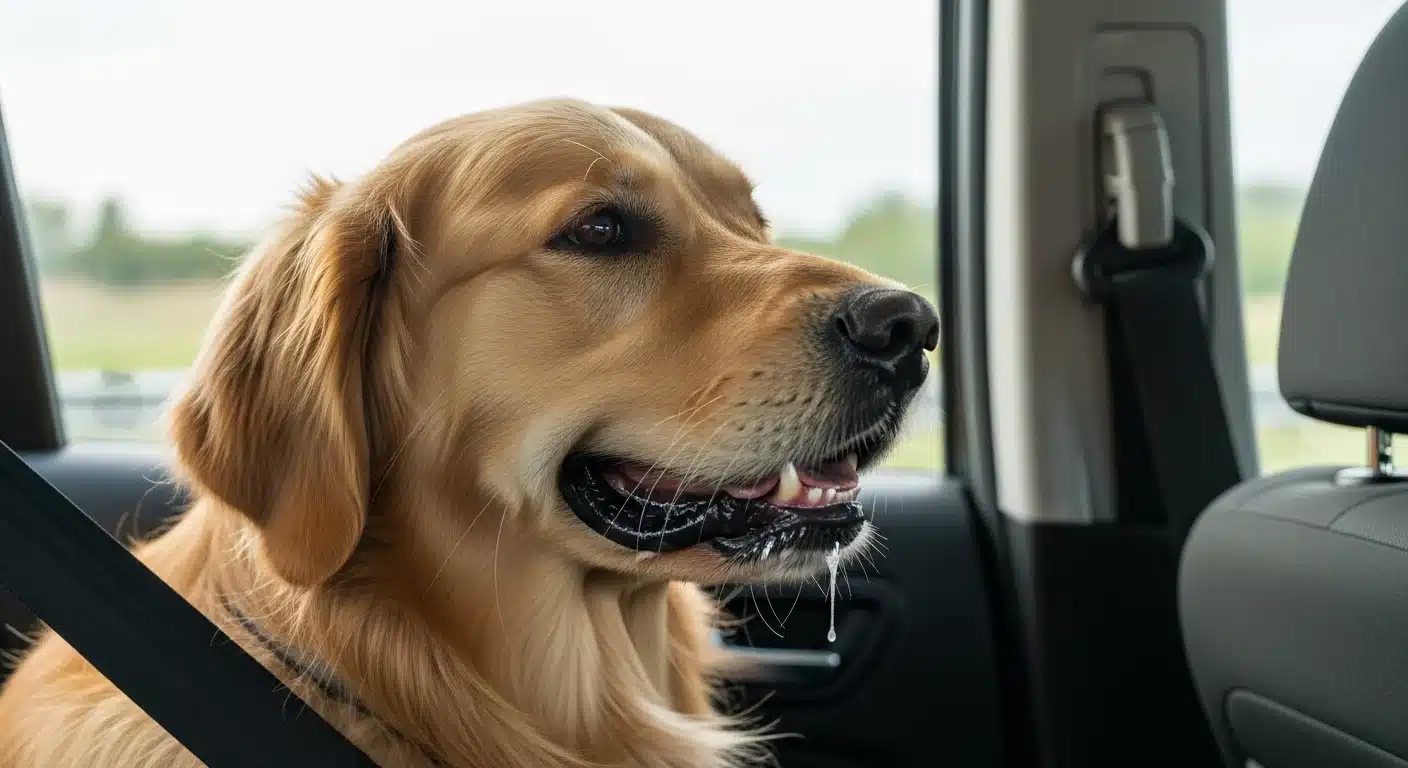
Can Dogs Get Car Sick? Causes, Signs & How to Stop It
Yes, and it is more common than you think. Here is exactly why it happens and how to help your dog feel better on every trip.
If your dog drools, yawns, whines, or vomits every time you hit the road, you are not alone. Car sickness in dogs is extremely common, especially in puppies, and it has two distinct roots: an underdeveloped inner ear in young dogs, and anxiety or learned stress responses in older ones. The good news is that most cases can be managed, and many puppies simply grow out of it. This guide covers everything you need to know about the causes, warning signs, and, most importantly, exactly what to do about it.
Gear that helps with car sickness
A forward-facing, stabilising booster seat is one of the most effective physical interventions for dogs prone to car sickness.
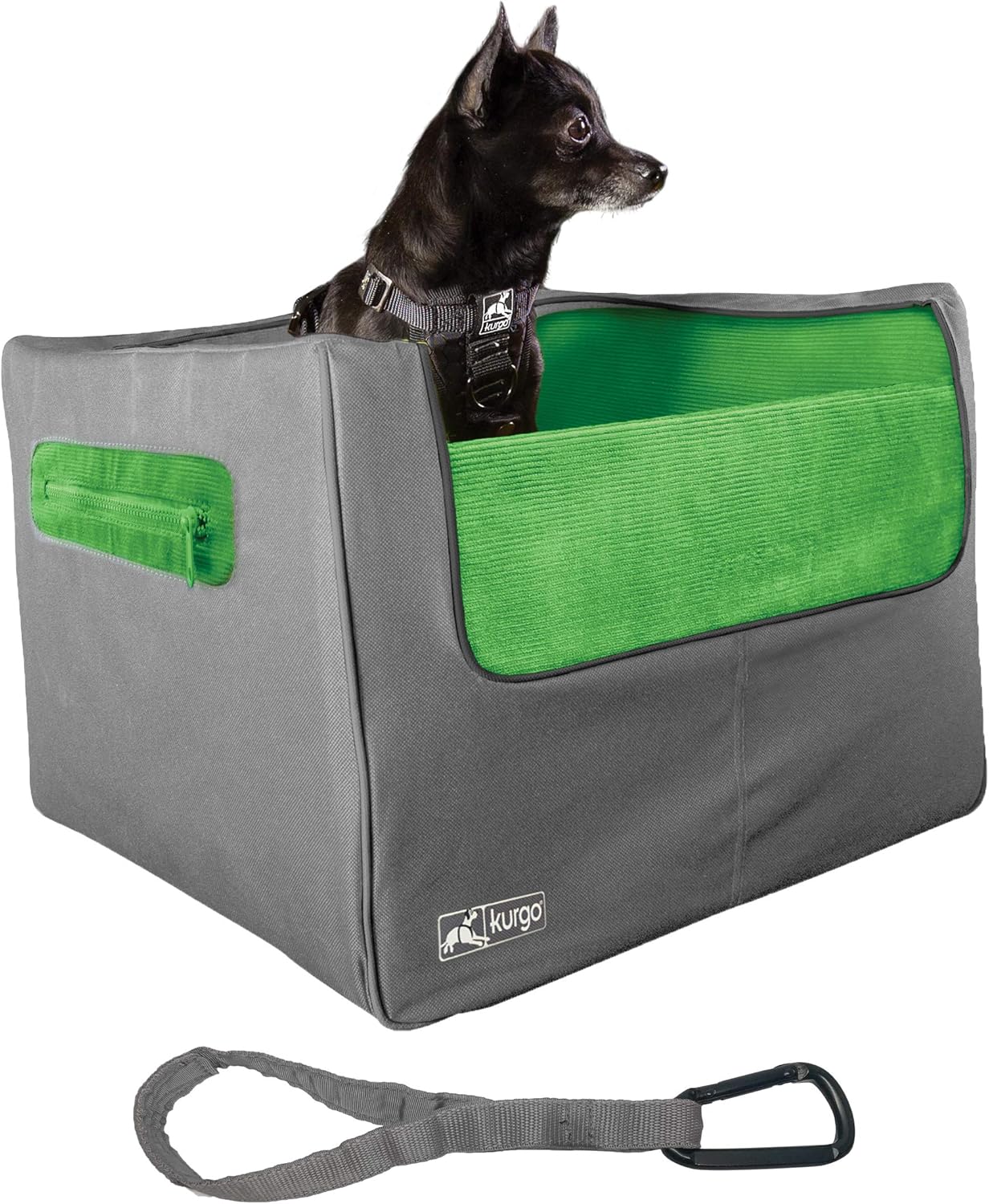
Kurgo Skybox Dog Booster Seat
A forward-facing, elevated booster seat solves the two biggest contributors to car sickness simultaneously: it stabilises your dog so they aren’t rolling with every turn, and it lifts them to window height so they can see the horizon, the same fix that helps car-sick humans. The Kurgo Skybox is our top pick for small dogs (under ~30 lb): structured walls that hold their shape, a built-in tether that clips to the harness (not the collar), a washable liner, and a lifetime guarantee. It seat-belt anchors and folds flat for storage.
What we like
- Elevates dog to window height for horizon-fixing, directly reduces motion sickness
- Built-in tether clips to harness, keeps dog stable through turns and braking
- Wipe-clean shell + removable washable liner; folds flat for storage
The catches
- Strictly for small dogs, not suitable over ~30 lb
- Comfort/containment seat, not a crash-tested restraint
Why Dogs Get Car Sick: The Two Root Causes
Dog car sickness is not a single condition, it is the result of two very different mechanisms that can also overlap:
1. Inner-Ear Immaturity (Mainly Puppies)
Motion sickness is fundamentally a sensory-conflict problem. The vestibular apparatus in the inner ear, the system responsible for detecting movement and balance, sends signals to the brain. When those signals disagree with what the eyes are seeing, the brain interprets the mismatch as potential poisoning and triggers nausea.
In puppies, the structures of the inner ear are not yet fully developed. This means their vestibular system is especially poor at filtering out the constant gentle swaying and vibration of a moving vehicle. The result: the brain gets an overwhelming flood of conflicting signals, and nausea follows quickly.
The encouraging part is that as puppies mature, usually by 12 to 18 months of age, the inner ear catches up, and many dogs become much better travelers with no intervention at all.
2. Anxiety and Negative Conditioning (Any Age)
For older dogs, car sickness is more often rooted in stress and learned associations than in any physical imbalance. If a dog’s early car trips ended in vomiting (from inner-ear motion sickness), the car itself can become a trigger. The same happens if most car rides lead to a vet visit, boarding, or another stressful event.
Anxious dogs produce stress hormones that directly activate the brain’s vomiting center, so even before the car moves, the nausea can begin. This is why some dogs start showing signs in the driveway, before a wheel has turned.
10 Warning Signs Your Dog Is Car Sick
Dogs cannot tell you they feel nauseous, so you need to read their body language. Symptoms often appear in this rough order, from earliest stress signals to full-blown sickness:
- Excessive lip-licking or smacking, one of the earliest signs; the same reflex humans feel before they feel sick
- Excessive yawning, a stress indicator that can precede nausea
- Restlessness or pacing, your dog cannot get comfortable and keeps shifting position
- Whining or whimpering, verbal distress signal, often paired with trembling
- Excessive drooling, saliva production spikes ahead of vomiting in both dogs and humans
- Lethargy or “shutdown”, some dogs go very still and glassy-eyed rather than restless
- Holding the head very low, a classic sign of nausea in dogs
- Loss of appetite before or after the journey
- Vomiting, the end-stage symptom most people notice first
- Defecation in the car, in severe cases, stress triggers a complete digestive response
The earlier you catch these signs, the sooner you can intervene. By the time your dog is vomiting, the anxiety cycle is already reinforced for next time.
Positioning: How Your Dog Sits Makes a Big Difference
One of the simplest and most effective fixes costs nothing: change where your dog sits and how they face.
A dog facing backward (like a child looking out the rear window) receives the same disorienting signals that backward-facing seats cause in humans. A dog that cannot see out of the windows at all gets no visual input to counteract the motion signals from the inner ear, and the sensory conflict is at its worst.
The fix: position your dog forward-facing in the back seat where they have a clear view out of the front or side windows. Visual confirmation of movement significantly reduces the vestibular-conflict nausea.
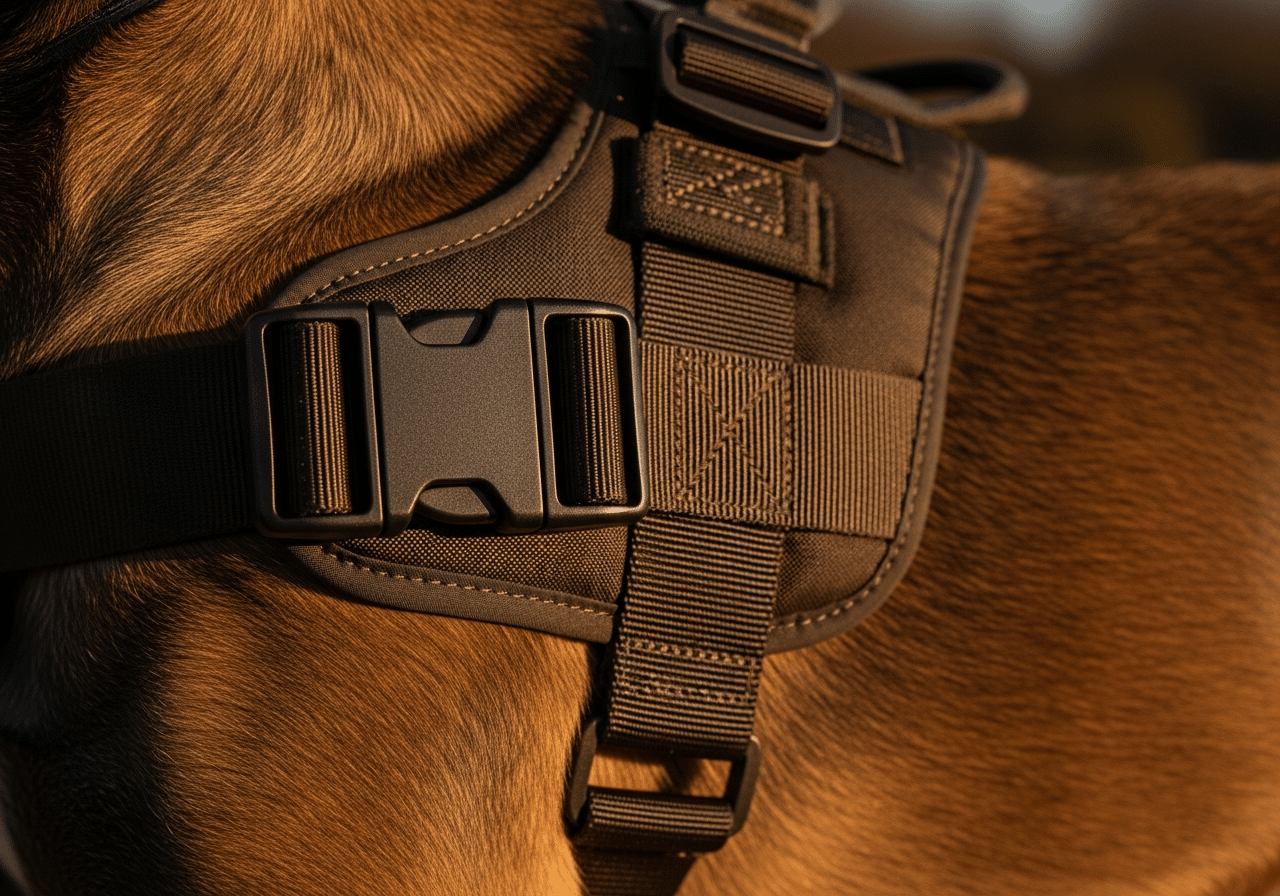
Secure them so they stay stable. An unsecured dog slides and sways with every turn and braking event, each micro-shift adds more motion-sickness input to an already overwhelmed vestibular system. A forward-facing dog car booster seat or a crash-tested car harness anchored to the seat belt achieves two things at once: it keeps your dog upright, stable, and forward-facing, and it keeps them safe in a sudden stop.
Fresh Air, Temperature, and the Sensory Environment
The physical environment inside the car has a measurable effect on how quickly nausea develops. A few adjustments can make the difference:
- Crack the windows. Even a 2 to 3 inch gap equalizes the air pressure difference between inside and outside the car. This pressure difference is subtle but real, and reducing it helps reduce nausea. Fresh air also gives your dog something to focus on sensorially.
- Keep the car cool. A hot, stuffy car makes nausea significantly worse. Aim for a cool, comfortable temperature, dogs pant to regulate heat, and that elevated stress response amplifies motion sickness.
- Reduce smells. Strong air fresheners, fast food, or heavily scented cleaning products in the car can tip an already-queasy dog over the edge. Keep the interior smell-neutral.
- Minimize visual clutter. A chaotic visual field (turning and curving roads are worse than motorways) worsens sensory conflict. Where possible, plan smoother, straighter routes for early desensitization trips.
Withhold Food Before Travel (The 6 to 12 Hour Rule)
Feeding your dog a large meal before a car journey is one of the most reliable ways to guarantee vomiting. A full stomach is much more likely to empty itself when nausea kicks in.
The standard advice from veterinarians: withhold food for 6 to 12 hours before a car trip. For most dogs, 6 hours is sufficient; for dogs with severe motion sickness, err toward 12. Water is fine, dehydration is not helpful, but withhold solid food and treats.
Note: do not use food as a reward immediately before or during the trip for a nauseated dog. Save the food reward for after the journey is over, as a positive association with arriving safely.
| Trip Length | Recommended Fast | Notes |
|---|---|---|
| Under 30 minutes | 3 to 4 hours | Short trips with a light stomach are usually fine |
| 30 min to 2 hours | 6 hours | Standard vet recommendation for most dogs |
| Long trip / severe sufferer | 8 to 12 hours | Feed a light meal on arrival at your destination |
Gradual Desensitization: The Long-Term Fix
For anxiety-driven car sickness, or to prevent the conditioned response from forming in a puppy, gradual desensitization is the most effective long-term treatment. The goal is to systematically rebuild the dog’s association with the car from negative to neutral to positive.
Work through these stages, spending several sessions at each stage before moving forward. Never force the pace, let your dog’s body language guide you:
- Stage 1. The car exists. Bring your dog near the parked, switched-off car. Let them sniff around it. High-value treats and praise. No pressure to get in. Repeat until your dog approaches the car enthusiastically.
- Stage 2. In the car, engine off. Help your dog into the car (same seat you plan to use). Sit with them. Treats, calm praise. After 2 to 5 minutes, get out and go do something fun. Repeat until they’re relaxed sitting in the parked car.
- Stage 3. Engine on, not moving. Start the engine. Sit in the car for 2 to 5 minutes. More treats. This is often where anxiety dogs show early signs, watch carefully, reassure, and keep sessions very short.
- Stage 4. Short driveway moves. Drive out of the driveway and back. That’s it. End with something your dog loves (a favourite walk location, a game). Gradually extend to 1 minute, 5 minutes, 10 minutes.
- Stage 5. Destination-based trips. Drive to somewhere your dog loves, the park, a friend’s house. The car trip now predicts something good, breaking the negative-association cycle.
Full desensitization typically takes 4 to 8 weeks of consistent practice. It is the single most effective intervention for anxiety-driven car sickness with no side effects.
Frequent Breaks on Long Journeys
On longer car trips, nausea compounds over time. A dog that is fine at the 20-minute mark may be miserable at the 90-minute mark, purely because of accumulated vestibular stress.
Plan breaks every 60 to 90 minutes on long journeys. Get your dog out of the car, let them walk on solid ground, allow the vestibular system to reset. A 10-minute walk on stable ground clears most of the accumulated motion input and reduces the chance of vomiting significantly.
Breaks also give you a chance to offer a small amount of water (not food mid-trip) and to check your dog’s stress level. If they’re showing early signs at the 45-minute mark on a 3-hour journey, an earlier break is smarter than waiting for them to vomit.
When to Talk to Your Vet: Prescription Options
For dogs with moderate to severe motion sickness, behavioural and environmental changes alone may not be enough, at least not in the short term while you work through desensitization. Your vet has several options:
- Maropitant (Cerenia®), the most commonly prescribed anti-nausea medication for dogs. It works by blocking the neurotransmitter receptors that trigger the vomiting reflex. Given the morning before travel, it provides up to 24 hours of coverage. It’s safe, effective, and does not sedate your dog.
- Anti-anxiety medications, for dogs where anxiety is the primary driver, short-term use of medication like trazodone or alprazolam can break the stress cycle during desensitization. Always vet-prescribed and dosed for your specific dog.
- Pheromone products. Adaptil® (dog-appeasing pheromone) in a collar or spray form has good evidence for reducing general travel anxiety. Not a cure, but a useful adjunct to training.
- Natural options, ginger has genuine anti-nausea properties and is safe for dogs in small amounts; powdered ginger in a treat 30 minutes before travel is a commonly used home remedy. Valerian and L-theanine are also commonly mentioned. These are not substitutes for vet-prescribed meds in severe cases, always check with your vet before adding any supplement.
Do Dogs Grow Out of Car Sickness?
Many do, especially puppies. The inner-ear developmental cause of motion sickness typically resolves as dogs mature, usually between 12 and 18 months of age. If your puppy is car sick, there is a reasonable chance they will simply outgrow it without any intervention.
However, there is an important catch: if a dog vomits repeatedly in the car as a puppy and is not helped during that period, they may develop a lasting anxiety-based response even after the physical cause resolves. The car becomes a conditioned fear trigger. This is why it is worth doing the desensitization work and keeping trips positive even when the puppy seems to outgrow the physical nausea, you are preventing the conditioned anxiety from taking root.
Adult dogs who develop car sickness for the first time with no prior history should be seen by a vet to rule out inner-ear infections, vestibular disease, or other medical causes. Sudden-onset motion sickness in an adult dog is unusual enough to warrant a check-up.
Shop the travel gear
Dog car sickness questions, answered
Why do dogs get car sick?
Dogs get car sick primarily because of a conflict between what the inner ear senses and what the eyes see. In puppies, the vestibular structures of the inner ear are not yet fully developed, making the mismatch worse. In older dogs, the cause is more often anxiety and negative associations, a dog that learned to expect discomfort or fear in the car will show nausea symptoms even before the engine starts. Some dogs experience both mechanisms at once.
How do I stop my dog from getting car sick?
The most effective combination: position your dog forward-facing in a secured booster seat so they can see the horizon; crack the windows for fresh air; withhold food for 6 hours before travel; take frequent breaks; and work through gradual desensitisation. For severe cases, ask your vet about maropitant (Cerenia®), a prescription anti-nausea medication safe for dogs.
Do dogs grow out of car sickness?
Many dogs do, especially if the cause is an underdeveloped inner ear. As puppies mature, typically between 12 and 18 months, the vestibular system catches up and the physical motion sickness resolves. However, if a puppy vomited repeatedly in the car without support, they may have developed a lasting anxiety-based response that persists. Early desensitisation work during the puppy stage gives the best chance of preventing that conditioned fear response from forming.
Can anxiety alone cause car sickness in dogs?
Yes. Anxiety directly activates the brain’s vomiting centre via stress hormones. A dog that strongly associates the car with fear or discomfort can begin drooling, whining, and even vomiting before the car has moved at all, purely from the anticipatory stress response. Anxiety-driven car sickness responds well to desensitisation, counter-conditioning, and in more stubborn cases, vet-prescribed anti-anxiety medication.
What should I not feed my dog before a car trip?
Withhold all solid food for 6 to 12 hours before travel. A full stomach is far more likely to empty itself if nausea kicks in. Water is fine and should be available to prevent dehydration, but avoid food, treats, and any rich or fatty items in the hours before departure. Feed normally after you arrive at your destination.
Is maropitant (Cerenia) safe for dogs with car sickness?
Maropitant (brand name Cerenia) is a prescription anti-nausea medication widely used in dogs and is generally considered safe and well-tolerated. Given the morning before a car trip, it provides up to 24 hours of coverage and does not sedate the dog. It is one of the most effective single interventions for dogs with moderate to severe motion sickness. Always use it under veterinary guidance.
Can large dogs get car sick too?
Absolutely. Car sickness is not size-dependent, large and giant breeds can get just as car sick as small dogs. The same causes apply: inner-ear conflict (especially in large-breed puppies, who have a longer developmental period), and anxiety. For large dogs, a crash-tested car harness that secures them forward-facing is the better option over a booster seat. The same desensitisation techniques and dietary advice apply regardless of size.