 Dog Gear, Sized Right
Our Top Agility Gear Picks
Each pick is a real, in-stock listing, tap through for the live price.
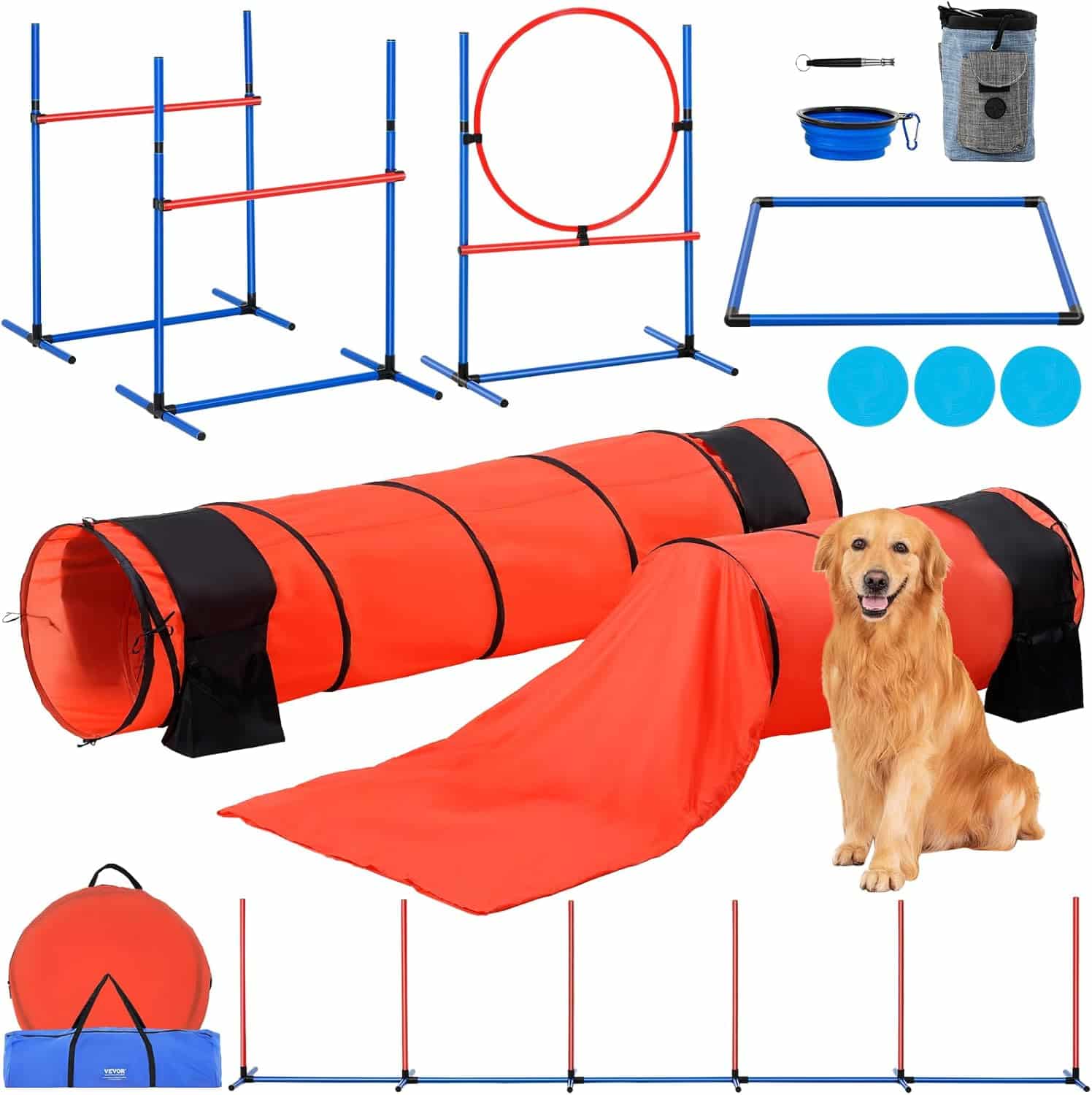
VEVOR Dog Agility Course Backyard Set
Agility gear to train focus, fitness and fun, set up a course in your own backyard.
What we like
- Easy setup
- Great exercise
The catches
- Train gradually
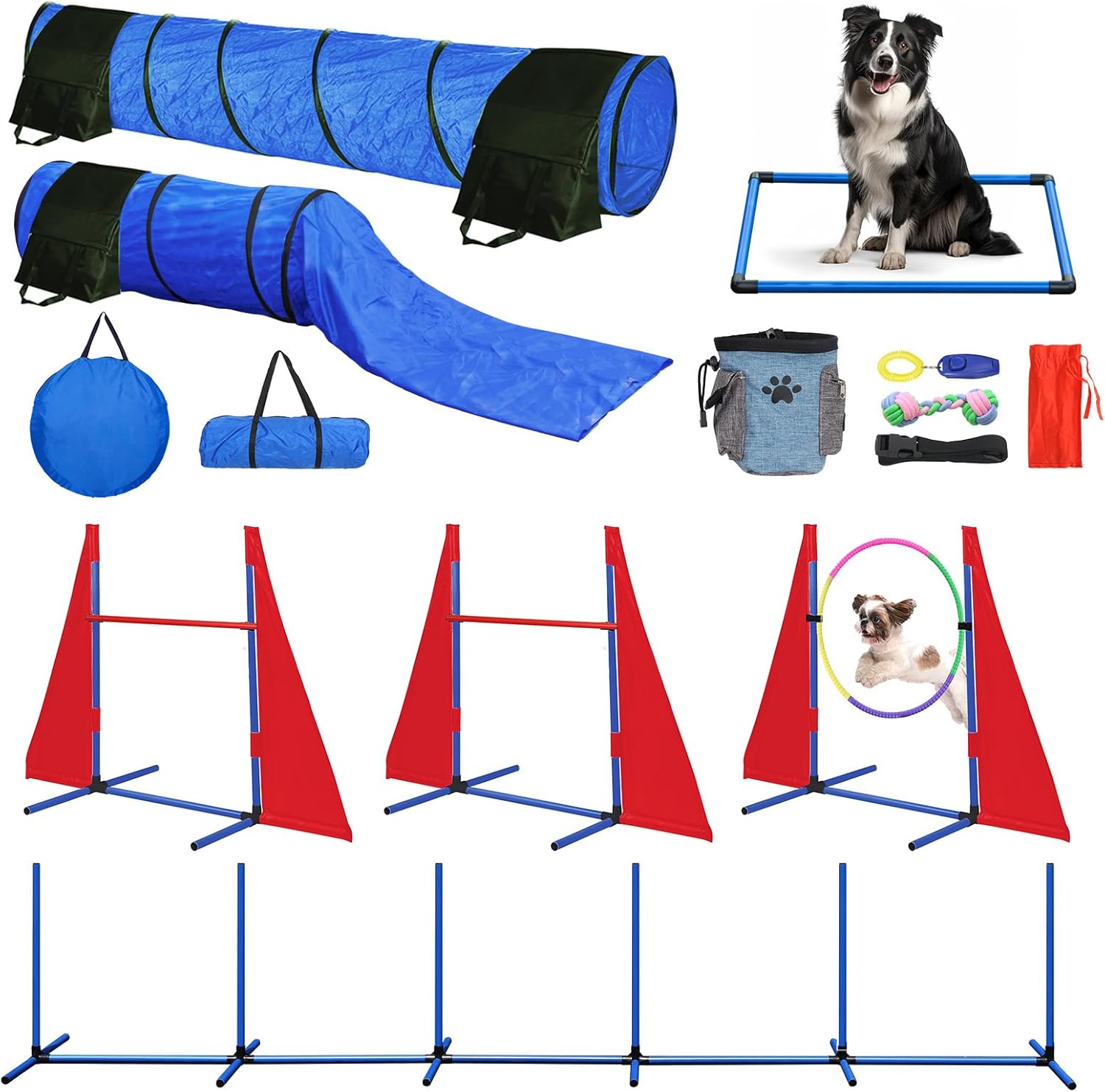
Dog Agility Course Backyard Set
Agility gear to train focus, fitness and fun, set up a course in your own backyard.
What we like
- Easy setup
- Great exercise
The catches
- Train gradually
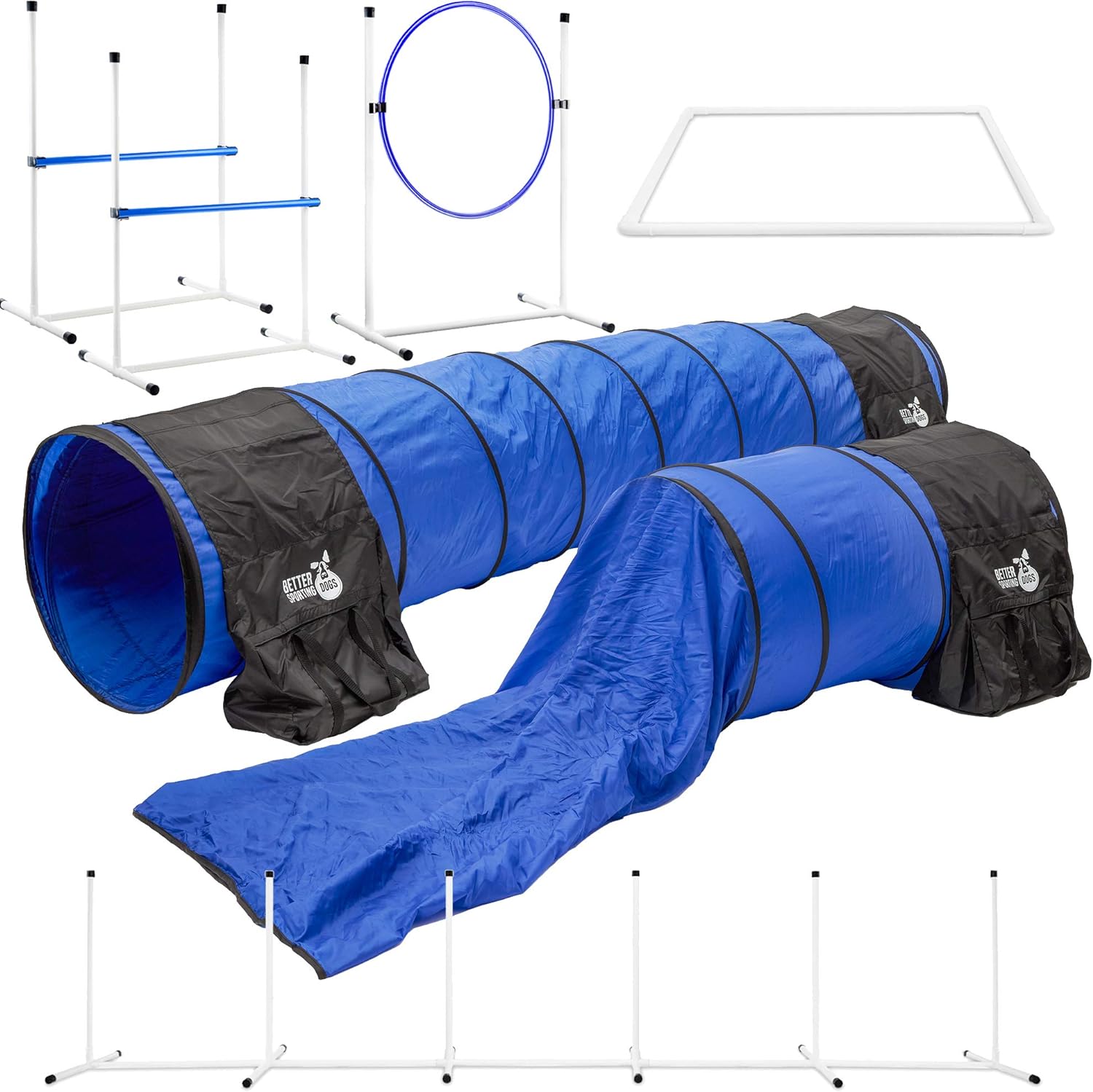
Better Sporting Dogs Agility Course Backyard
Agility gear to train focus, fitness and fun, set up a course in your own backyard.
What we like
- Easy setup
- Great exercise
The catches
- Train gradually
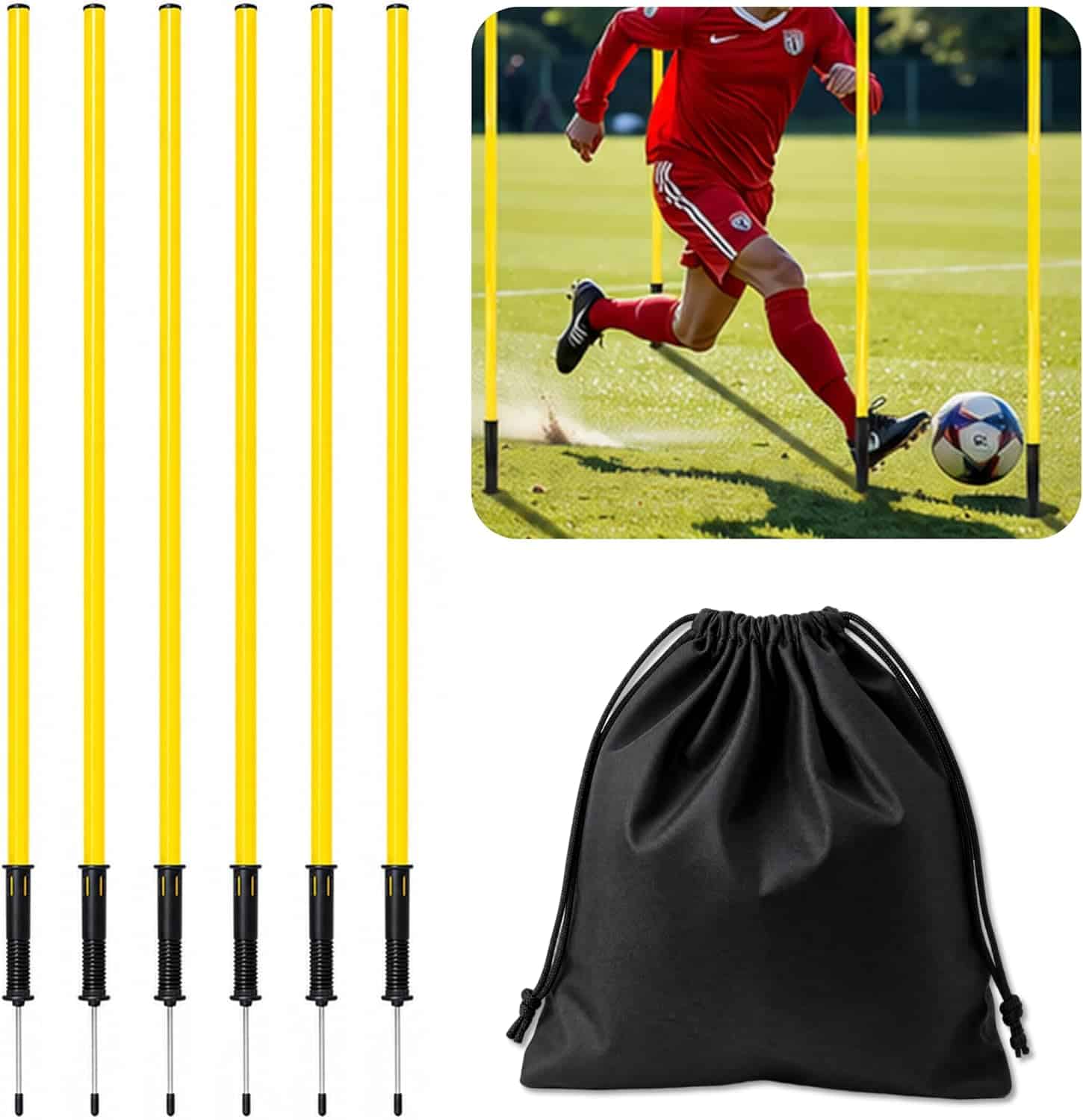
6 Pcs Soccer Agility Poles for Training
Agility gear to train focus, fitness and fun, set up a course in your own backyard.
What we like
- Easy setup
- Great exercise
The catches
- Train gradually
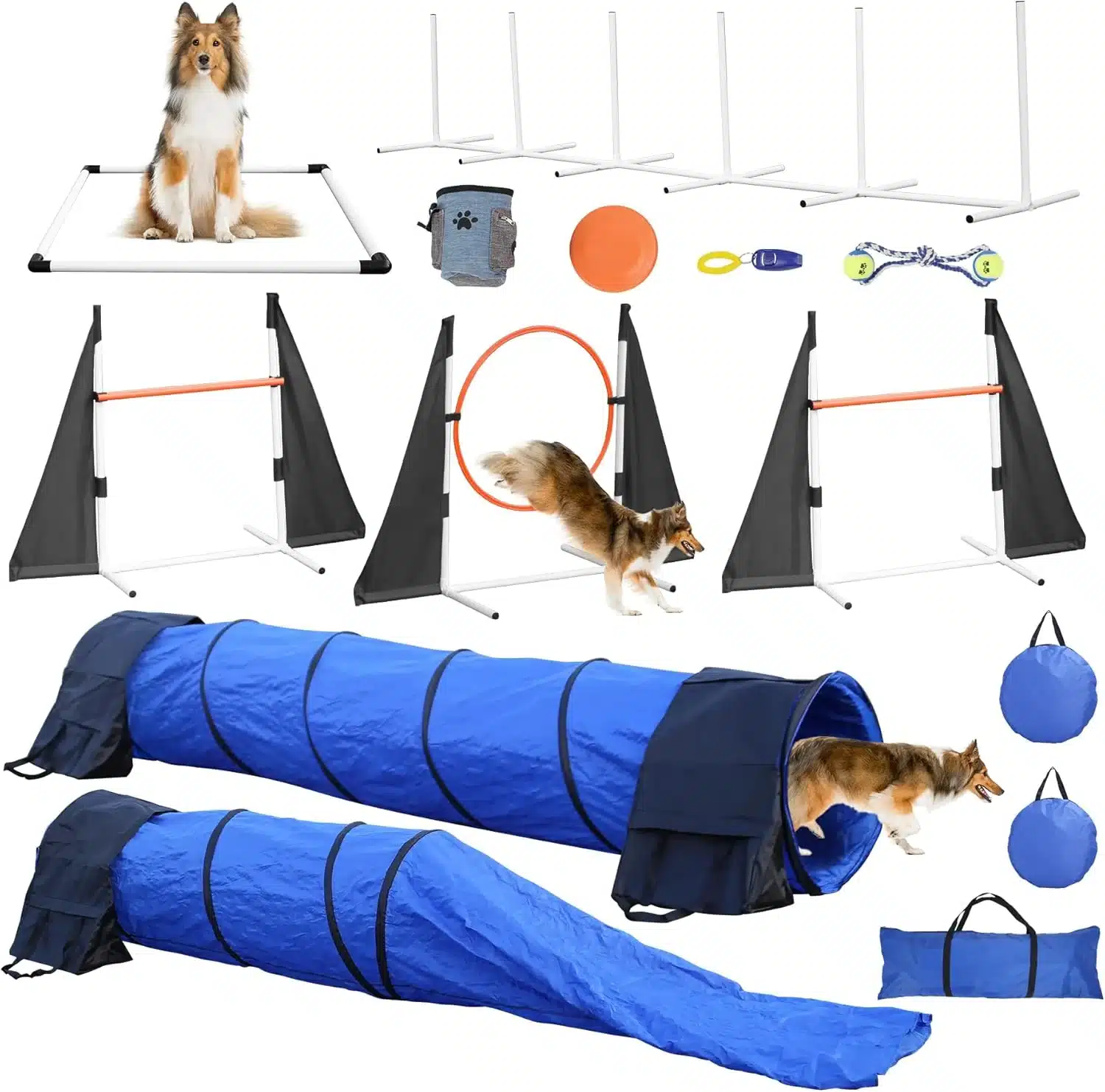
POPMOON Dog Agility Training Set (13 PC)
Agility gear to train focus, fitness and fun, set up a course in your own backyard.
What we like
- Easy setup
- Great exercise
The catches
- Train gradually
Agility Training Shop | Improve Your Dog’s Fitness & Coordination
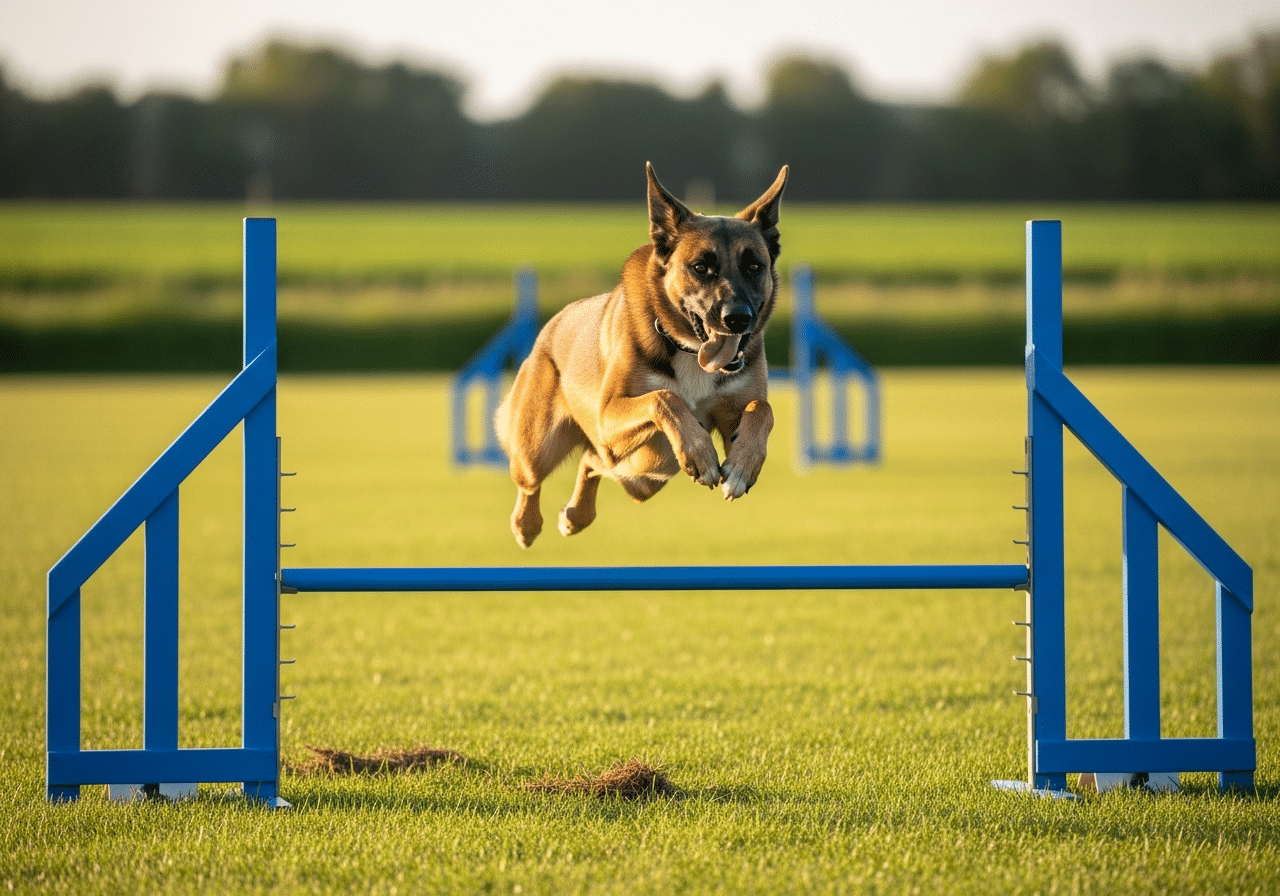
Pet dog agility is a pet dog sport in which a handler directs a canine through a barrier course in a race for both time and accuracy. Pets run off-leash with no food or toys as incentives, and the handler can touch neither dog nor barriers. The handler’s controls are limited to voice, movement, and different body signals, needing extraordinary training of the animal and coordination of the handler.
An agility course includes a set of standard barriers laid out by a judge in a style of his/her own picking in an area of a specified size. The surface may be of turf, dirt, rubber, or special matting. Depending on the type of competitors, the barriers might be marked with numbers indicating the order in which they should be completed.
Courses are complicated enough that a pet dog could not finish them correctly without human direction. In competition, the handler should examine the course, select managing methods, and direct the pet through the course, with accuracy and speed equally crucial. Numerous techniques exist to compensate for the fundamental difference in human and pet speeds and the strengths and weak points of the numerous canines and handlers.
Competitors basics
As each course is various, handlers are permitted a brief walk-through (ranging from 5 to 25 minutes on average) before the competition begins. During this time, all handlers competing in a particular class can walk around the course without their pets, determining how they can best place themselves and direct their canines to get the fastest and most precise course around the numbered obstacles. The handler tends to run a path much different from the pet’s path, so the handler can sometimes spend a fair bit of time planning for what is usually a fast run.
The walk-through is critical for success since the course’s course takes different turns, even U-turns or 270 ° turns, can cross back on itself, can use the very same challenge more than when, can have 2 challenges so near each other that the pet and handler need to be able to discriminate which to take plainly, and can be organized so that the handler needs to deal with barriers in between himself and the canine, called layering, or at a great distance from the canine.
Printed maps of the dexterity course, called course maps, are occasionally made available to the handlers before they run, to assist the handlers in preparing their course method. The course map consists of icons suggesting the position and orientation of all the barriers and numbers showing the order in which the barriers are to be taken. Course maps were originally drawn by hand, but nowadays, courses are produced using different computer system programs.
Each canine and handler group gets one opportunity together to try to complete the course effectively. The pet dog starts behind a starting line and proceeds around the course when instructed by its handler. The handler typically runs near the dog, directing the dog with spoken commands and body movement (the position of arms, feet, and shoulders).
Because speed counts as much as precision, specifically at higher levels of competition, this all takes location at a full-out run on the pet dog’s part and, in locations, on the handler’s part.
The scoring of runs is based on how many faults are sustained. Charges can consist of not only course faults, such as tearing down a bar in a jump, but likewise, time faults, which are the variety of seconds over the calculated basic course time, which in turn is determined based on the competitor’s level, the intricacy of the course, and other factors.
Agility obstacles
The regulations of different organizations specify somewhat different rules and dimensions for constructing obstacles. However, the basic form of most obstacles is the same wherever they are used. Obstacles include the following:
- Contact obstacles
- A-frame obstacle
- Dog walk obstacle
- Crossover obstacle
- Seesaw obstacle
Contact obstacles are obstacles made of planks and ramps, they require dogs to ascend and descend the obstacle and to place a paw on a “contact zone”, an area that is painted a different color. The height, width, and angle of the planks and ramps vary by the organization running the competition.
A-frame
The A-frame comprises two ramps that meet in the middle forming an A shape, the ramps vary between 6 feet 8 inches (2.03 m) and 9 feet (2.7 m) in length, and between 4 feet 11 inches (1.50 m) and 6 feet 3 inches (1.91 m) in height at the apex.
Dog walk
The dog walk is an elevated plank with ascending and descending ramps at each end, the ramps vary between 8 and 12 feet (2.4 and 3.7 m) in length and 36 and 50 inches (91 and 127 cm) in height above the ground.
Crossover
The crossover comprises four separate ramps that each ascend at an elevated platform in the middle, the dog must ascend and descend the correct ramps in accordance with the judge’s course plan, the ramps are 12 feet (3.7 m) in length and the platform is between 48 and 54 inches (120 and 140 cm) in height.
Seesaw
The seesaw, sometimes called the teeter-totter, is a seesaw, that the dogs walk the length of, the seesaw varies between 8 to 12 feet (2.4 to 3.7 m) in length and the apex between 16 and 27 inches (41 and 69 cm) in height.
Tower
The tower is similar to the crossover except it has a plank, a set of steps to ascend and descend, and a slide for the dog to slide down, as with the crossover the must ascend and descend in accordance with the judge’s course plan.
Related Guides


Dog Agility FAQs
What equipment do I need for dog agility?
A starter set usually has jumps/hurdles, a tunnel and weave poles; add a pause table and contact obstacles as you progress.
Can I do dog agility in my backyard?
Yes, portable, adjustable backyard sets let you build a course at home for exercise, focus and fun without joining a club.
What age can a dog start agility?
Teach foundations (focus, targeting, flatwork) from a puppy, but hold off on full-height jumps and contacts until the growth plates close, around 12 to 18 months.
Is agility good for dogs?
Very, it builds fitness, confidence, focus and the handler bond, and burns the mental and physical energy of high-drive breeds.
What breeds are best at agility?
Border Collies, Shelties and Aussies excel, but any healthy, motivated dog can enjoy and benefit from agility.