 Dog Gear, Sized Right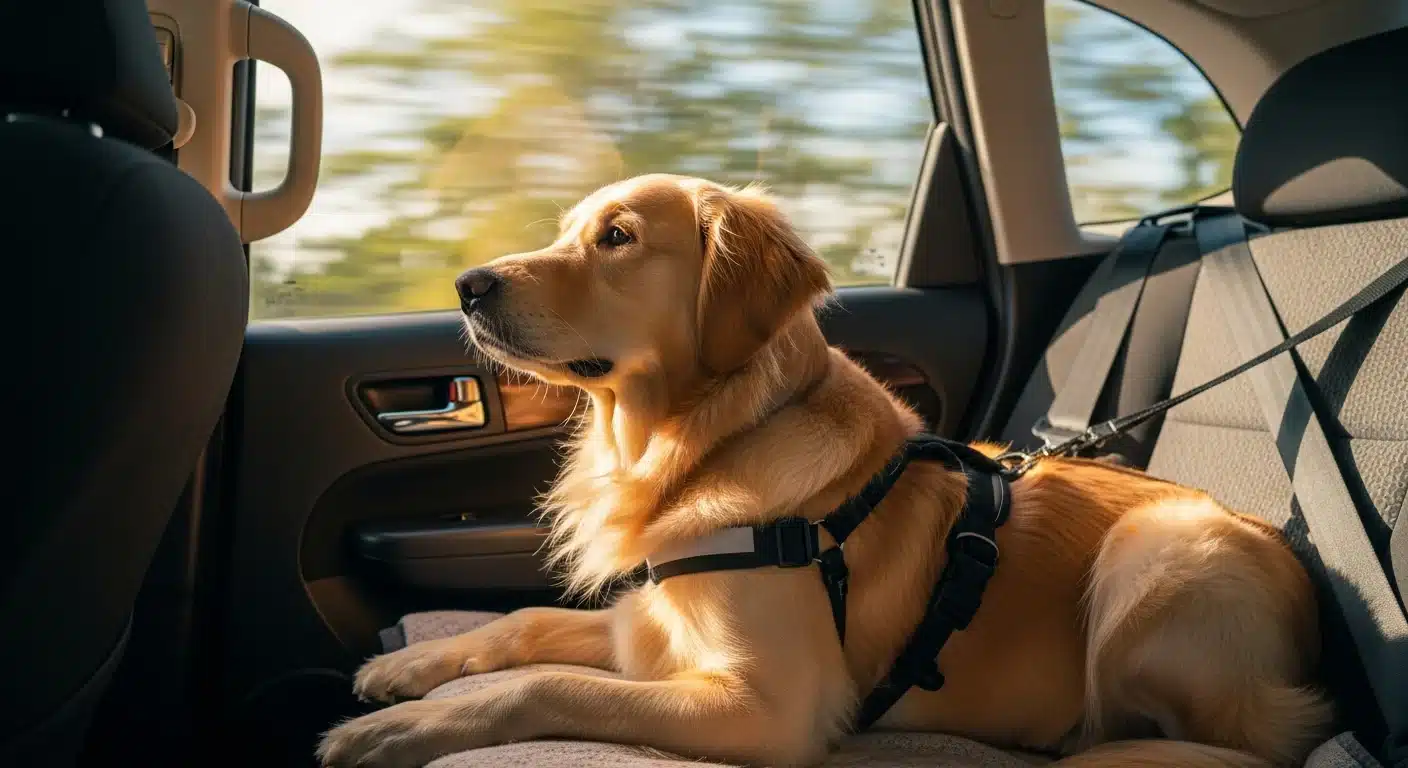
How to Keep a Dog Calm in the Car: 9 Things That Work
Proven techniques to help anxious dogs relax on every car ride, short trip or cross-country.
If your dog whines, pants, drools, or paces the moment you pull out of the driveway, you’re not alone, and you’re not stuck with it. Car anxiety in dogs is extremely common, and the good news is that the vast majority of cases respond well to a structured approach. Below are 9 things that actually work, ordered from the most impactful to the most situational. You don’t need all nine, most owners fix the problem with two or three.
Top pick: a secure spot first
Before calming aids or supplements, give your dog a dedicated, contained space. It’s the fastest single fix for mild anxiety.
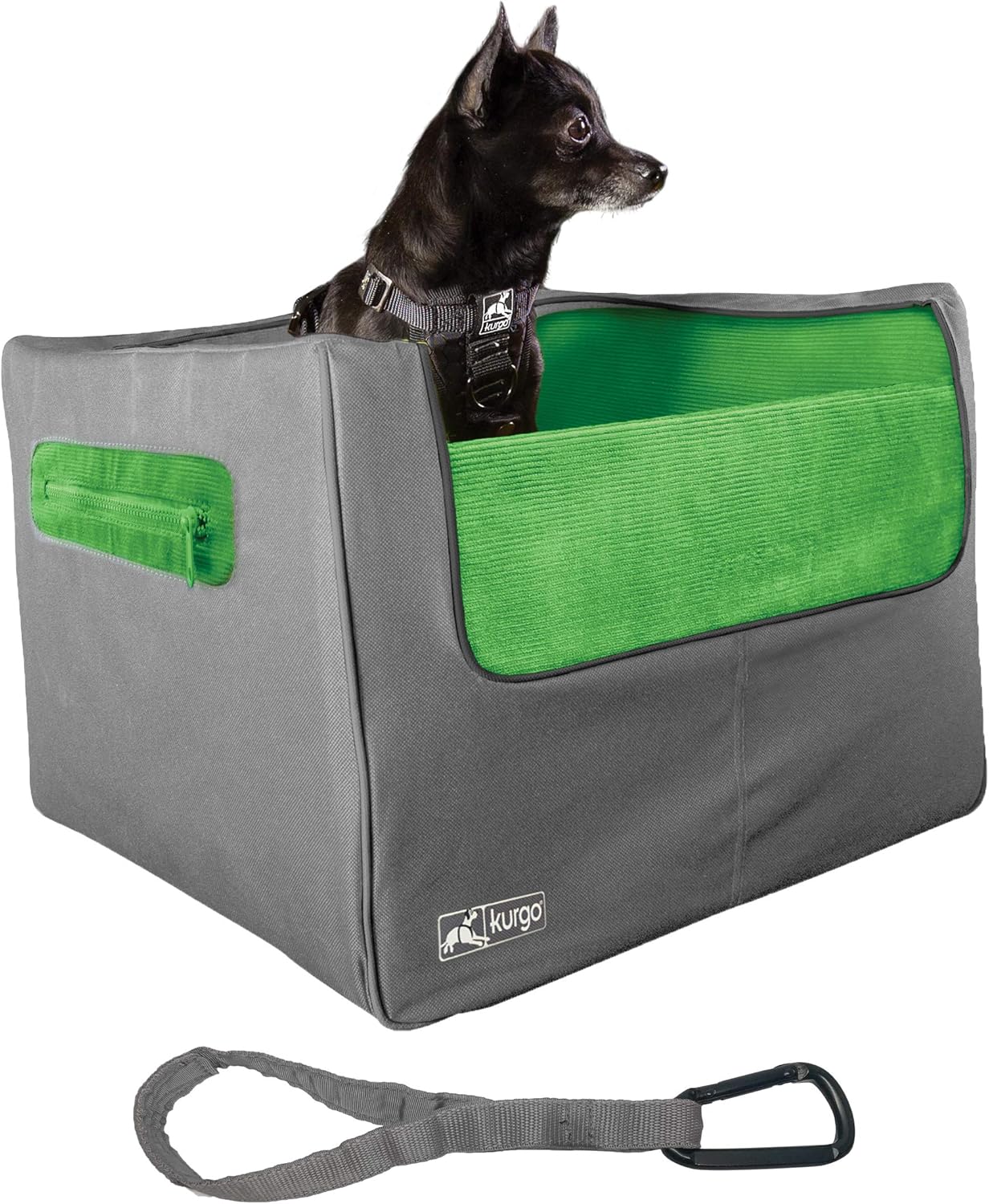
Kurgo Skybox Dog Booster Seat
A secure, elevated spot is the #1 anxiety fix, and the Kurgo Skybox delivers it. Raised walls give small dogs a window view (which stabilises the vestibular system), and the harness tether keeps them safely anchored. Washable liner, lifetime guarantee.
What we like
- Elevated view helps calm anxious and car-sick small dogs
- Tether clips to harness, not collar, for safe restraint
- Washable liner + folds flat for storage
The catches
- Small dogs only (under ~30 lb)
- Comfort/containment seat, not crash-tested
First: Anxiety vs. Motion Sickness. Know Which You’re Dealing With
Before throwing calming sprays and supplements at the problem, it’s worth understanding why your dog is distressed. The two most common causes look similar but have different fixes:
| Symptom | Likely anxiety | Likely motion sickness |
|---|---|---|
| Whining, barking, panting before the car moves | ✓ | |
| Drooling, yawning, lip-licking once moving | ✓ | |
| Vomiting during or after the ride | ✓ | |
| Trembling or trying to escape the car | ✓ | Sometimes |
| Freezing, won’t get in the car at all | ✓ | |
| Fine on short trips, distressed on longer ones | Sometimes | ✓ |
Many dogs have both. True motion sickness (vestibular, tied to the inner ear) is more common in puppies whose ear canals are still maturing, and many outgrow it. Anxiety often develops after one or two bad experiences, a scary trip to the vet, a long journey with no preparation. If vomiting is the main symptom, ask your vet about anti-nausea medication before trying the behaviour work below. For most anxious dogs without sickness, the 9 steps that follow are your roadmap.
1. Give Your Dog a Secure, Dedicated Spot
This is the single biggest lever most owners overlook. A dog that’s loose in the car doesn’t know where to anchor itself. They can’t brace, they can’t settle, and every corner or brake sends them sliding. Containment isn’t punishment, it’s security.
Your options, in roughly ascending order of security:
- Booster seat (small dogs): Elevates your dog so they can see out the window, visual stability reduces nausea and anxiety. Tethers to the seat belt and clips to the dog’s harness. Not crash-tested but far safer than loose. See our best dog car seat guide.
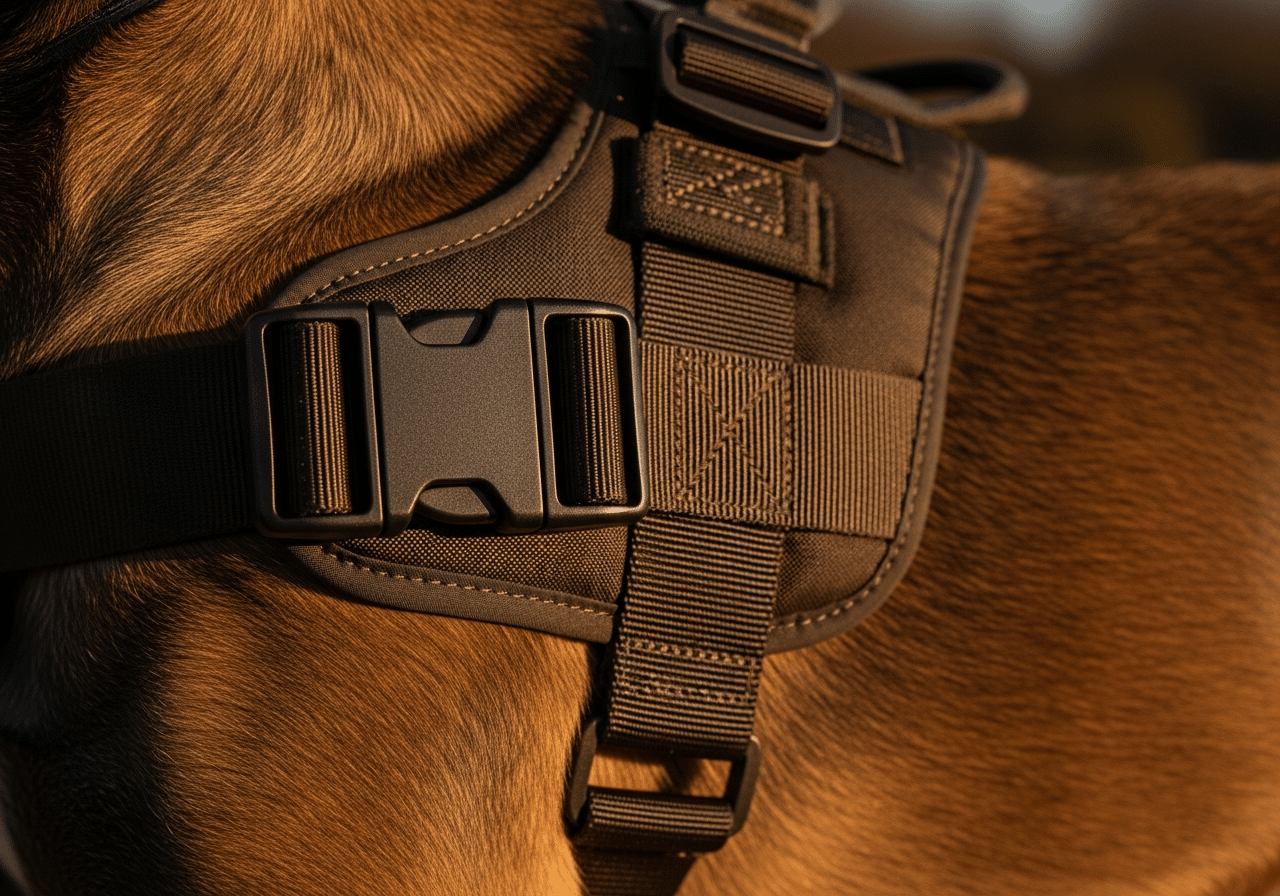
- Crash-tested car harness (medium to large dogs): Attaches to the seatbelt buckle. The Sleepypod Clickit Sport is the only consumer harness to pass CPS crash standards. Keeps your dog fixed in place without a crate.
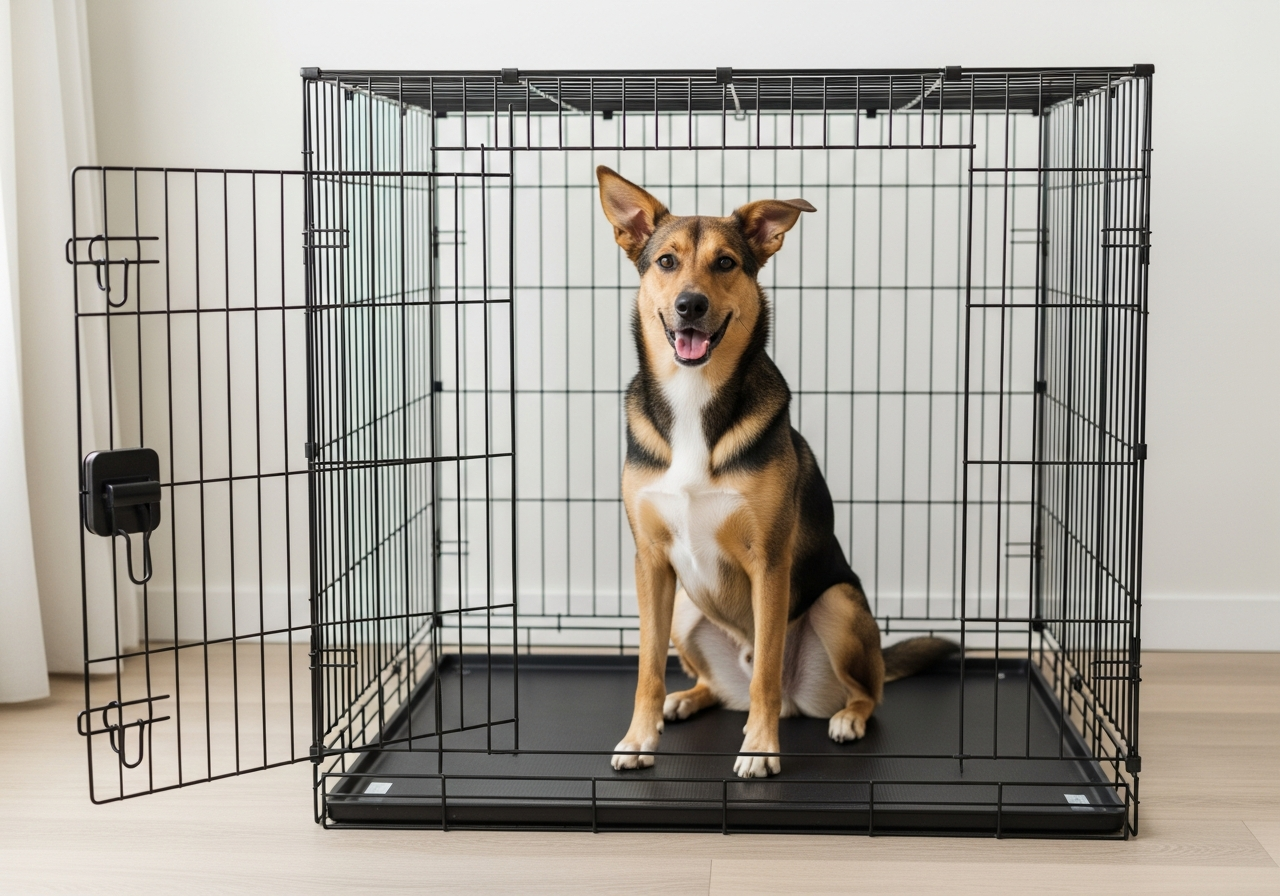
- Travel crate (all sizes): A well-sized crate in the boot or back seat mimics the den security dogs naturally crave. Use a crate they already sleep in so the scent is familiar.
- Car barrier (large dogs): Allows the back seat or boot but blocks the dog from climbing into the front. See our best dog car barrier guide.
Whichever option you choose, introduce it at home first, before it ever goes near the car. Let your dog explore it, eat meals in or next to it, and sleep in it. The car can come later.
2. Desensitise Gradually. Don’t Rush
Desensitisation is the most evidence-backed approach for car anxiety. The idea is simple: introduce the car in tiny, non-threatening steps so your dog never gets overwhelmed. Each stage should be practised until your dog is visibly relaxed before advancing.
- Stage 1. Near the car (engine off, doors closed): Walk your dog past the parked car, feed treats, keep it breezy. Repeat until they’re unbothered.
- Stage 2. Open the car: Open the door and let them sniff in and out freely. No pressure to get in. Treats for approaching.
- Stage 3. Inside the car (engine off): Sit in the car together with the engine off. Treats, praise, a chew. End on a good note after just a few minutes.
- Stage 4. Engine on, not moving: Start the engine, give your dog high-value treats, turn it off. Repeat until they’re relaxed with the engine noise.
- Stage 5. Very short drives: Drive to the end of the road and back. Then around the block. Build duration slowly over days or weeks.
- Stage 6. Fun destinations: Make the car reliably predict good things, the park, a friend’s house, anywhere but the vet for now.
Some dogs move through all six stages in a week. Others need a month. There is no wrong pace, the wrong move is skipping stages because your dog seemed okay.
3. Build Positive Associations (Classical Conditioning)
Alongside desensitisation, you want to actively pair the car with good things. This is counter-conditioning, changing your dog’s emotional response to the car, not just their behaviour.
- Feed your dog’s meals in the car (parked, engine off) for a week
- Bring their favourite chew or puzzle toy exclusively for car time
- Use a special treat that never appears elsewhere, boiled chicken, cheese, reserved only for car sessions
- Let them discover their travel crate or booster seat is a good place to nap at home first
The goal: your dog hears the car keys and feels anticipation, not dread. Once that emotional flip happens, most of the management work gets much easier.
4. Exercise Before the Trip
A tired dog is a calmer dog, full stop. A 20 to 30 minute walk, fetch session, or training workout about 30 minutes before you leave does two things: it burns off nervous energy, and it releases endorphins that lower baseline arousal.
Avoid vigorous exercise immediately before the ride if your dog is also prone to nausea, let them settle for 20 to 30 minutes first. And skip feeding a big meal right before a long trip. Light stomach = less sickness risk.
5. Stay Calm. Your Dog Is Reading You
Dogs are social animals who take enormous emotional cues from their humans. If you tense up, over-soothe, or make a big production of the car journey, you’re inadvertently signalling that there’s something to worry about.
- Don’t over-fuss: Excessive reassurance (“it’s okay baby, it’s okay”) can actually reinforce anxious behaviour by rewarding it with attention
- Project calm confidence: Matter-of-fact loading routine, upbeat but not over-excited voice, no lingering worried glances in the rear-view mirror
- Avoid punishment: Never shout at or punish a dog for being anxious, it associates the car with more negative emotion
This is easier said than done when you’re running late, but it makes a real difference. Try to build a consistent, calm pre-trip ritual your dog can predict.
6. Get the Car Environment Right
Small environmental tweaks can lower baseline arousal before the anxious spiral starts:
- Temperature: Keep the car cool. An overheated dog is an anxious, nauseous dog. Crack the windows or run the AC before loading.
- Ventilation: A crack of fresh air (not a full blast of wind in the face) helps dogs orient and reduces nausea. Avoid letting them hang their heads fully out the window at speed.
- Music: Low-frequency, slow-tempo music (reggae and classical have the most evidence in dogs) can lower heart rate. Avoid loud, bassy playlists.
- Sunshades: Blocking intense direct sunlight keeps the car cooler and reduces visual overstimulation for some anxious dogs.
- View: Forward-facing positions reduce motion sickness. A raised booster helps small dogs see the horizon, which the inner ear uses to stabilise. Middle of the back seat is smoother than the boot for most cars.
7. Use Familiar Scent as a Comfort Anchor
A dog’s world is dominated by scent. Bringing something that smells like home, a worn t-shirt, their usual blanket, or their regular bed, turns an unfamiliar environment into a more recognisable one.
Place the item in their crate, booster, or travel spot rather than handing it over, you want it to define “their” space in the car. Many owners report that a blanket from the dog’s regular sleeping spot is the single fastest calming fix for mild anxiety, especially in puppies and newly adopted dogs.
Do not wash the item before a trip, you want maximum familiar scent.
8. Try a Calming Aid (Pheromones, Wraps, or Vet Medication)
For moderate to severe anxiety, or when you need to travel before the desensitisation programme has had time to work, calming aids can bridge the gap. There is a spectrum from gentle to prescription:
- Dog Appeasing Pheromone (DAP) spray: Synthetic version of the pheromone nursing mothers produce. Spray onto a blanket or bandana 15 minutes before travel (not directly on the dog). Products like Adaptil are the most studied. Evidence is moderate, it works well for some dogs, not at all for others.
- Anxiety wrap / ThunderShirt: A snug-fitting body wrap applies gentle, constant pressure, similar to swaddling an infant. Roughly 80% of owners report some benefit in studies, though effect sizes vary. Put it on 20 to 30 minutes before the trip.
- Calming supplements: L-theanine, melatonin, Zylkene (hydrolysed milk protein), and Solliquin (L-theanine + magnolia bark) are commonly used. All are available over the counter. Effects are mild-to-moderate and not appropriate for severe anxiety.
- Probiotics: Emerging research links the gut-brain axis to anxiety. A daily probiotic (Purina Calming Care is the best-studied) can reduce anxious behaviours over 6 to 8 weeks, not a quick fix, but worth adding.
- Veterinary prescription medication: Trazodone, gabapentin, alprazolam, and newer options like Sileo (dexmedetomidine gel) can be appropriate for severe cases. Ask your vet, do not guess on dosing. These are typically used situationally (before long trips) alongside behaviour work, not as a permanent substitute.
9. Practice, Patience, and the Right Timeline
Car anxiety rarely resolves in a single session. The brain changes that underlie classical conditioning take repetition, typically dozens of positive exposures over several weeks for a mildly anxious dog, longer for severe cases.
A few realistic timelines:
| Severity | Typical time to improvement | Key work |
|---|---|---|
| Mild (whining, slight panting) | 1 to 3 weeks | Positive association + desensitisation |
| Moderate (trembling, won’t settle) | 4 to 8 weeks | Full staged desensitisation + calming aids |
| Severe (bolting, vomiting from anxiety) | 8 to 16 weeks or more | Vet medication + behaviour modification programme |
The single most common mistake is going back to long trips too early and undoing weeks of work. If you have a holiday coming up, start the programme at least six weeks ahead of time. If you can’t, speak to your vet about situational medication to get you through the trip while the behaviour work runs in parallel.
And remember: every dog improves at their own rate. Some will go from “terrified” to “relaxed road-tripper” in a month. Some take longer. The consistent application of the steps above is what matters, not the speed.
Quick Reference: What to Try First
If you’re starting from scratch, here is a sensible order of operations:
- Get a proper travel containment setup (harness, booster, or crate) and introduce it at home
- Start the desensitisation programme, parked car → engine on → short drives
- Bring a familiar-scented blanket on every trip
- Exercise before departure; keep the cabin cool and quiet
- Add a DAP spray or anxiety wrap if progress is slow
- Talk to your vet if anxiety is severe or isn’t improving after 6 to 8 weeks
Travel gear guides
Car anxiety questions, answered
Why is my dog anxious in the car?
The most common causes are a lack of positive early exposure (puppies who never rode in cars regularly), one or more bad experiences (a scary vet trip or a long, unprepared journey), motion sickness creating a negative association, or a general anxious temperament. Many dogs have a combination of anxiety and nausea, it’s worth working out which is dominant before treating, because the fixes differ.
How can I calm my dog down in the car?
The most impactful steps are: (1) give them a secure, dedicated spot, a booster seat, crash-tested harness, or travel crate so they can settle; (2) do a staged desensitisation programme starting with the parked car; (3) bring a familiar-scented blanket; (4) exercise them before the trip; and (5) keep the cabin cool and calm. For faster results, add a DAP pheromone spray or anxiety wrap. For severe cases, ask your vet about situational prescription medication alongside behaviour work.
Should I use a calming aid for car rides?
Calming aids can help bridge the gap while you do the underlying behaviour work, but they’re most useful as a supplement to training, not a substitute. For mild anxiety, a DAP spray (like Adaptil) or an anxiety wrap (like ThunderShirt) is a reasonable first addition. For moderate anxiety, calming supplements (L-theanine, Zylkene, melatonin) may help. For severe cases, speak to your vet before purchasing anything, some dogs need prescription medication to make enough progress that the training can take hold.
How long does it take to desensitise a dog to car travel?
It varies by severity. Mild anxiety often improves in 1 to 3 weeks with daily short sessions. Moderate anxiety typically takes 4 to 8 weeks of consistent desensitisation and counter-conditioning. Severe cases, dogs who bolt, vomit from anxiety, or are completely shut down, can take 3 to 4 months and usually benefit from veterinary support alongside the behaviour programme. The key is not rushing stages: only advance when your dog is visibly relaxed at the current step.
Can a dog grow out of car anxiety?
Puppies often do improve naturally as they mature and their vestibular system develops, many cases of puppy car sickness and anxiety resolve by 12 to 18 months with regular exposure. Adult dogs rarely improve without active intervention, but they absolutely can get better with a structured desensitisation programme. Age is not a barrier to improvement.
Is it safe to let my dog sit in the front seat?
It’s not recommended. An airbag deployment can seriously injure a dog in the front seat, and a loose dog there is a distraction hazard. The back seat is safer, and the middle back seat is the smoothest ride with the least motion, helpful for anxious and car-sick dogs. If your dog is calmer in the front, use a crash-tested harness tethered to the seat belt and disable the passenger airbag if possible.
What should I do if my dog vomits in the car?
First, stay calm and don’t react with alarm, it will stress your dog further. Pull over safely, clean up, give your dog a few minutes of fresh air and calm. For future trips: withhold food for 3 to 4 hours before travel, keep the car cool, and ask your vet about anti-nausea medication (cerenia/maropitant is effective and well-tolerated). Nausea-driven vomiting is different from anxiety-driven vomiting, your vet can help you distinguish and treat the root cause.