 Dog Gear, Sized Right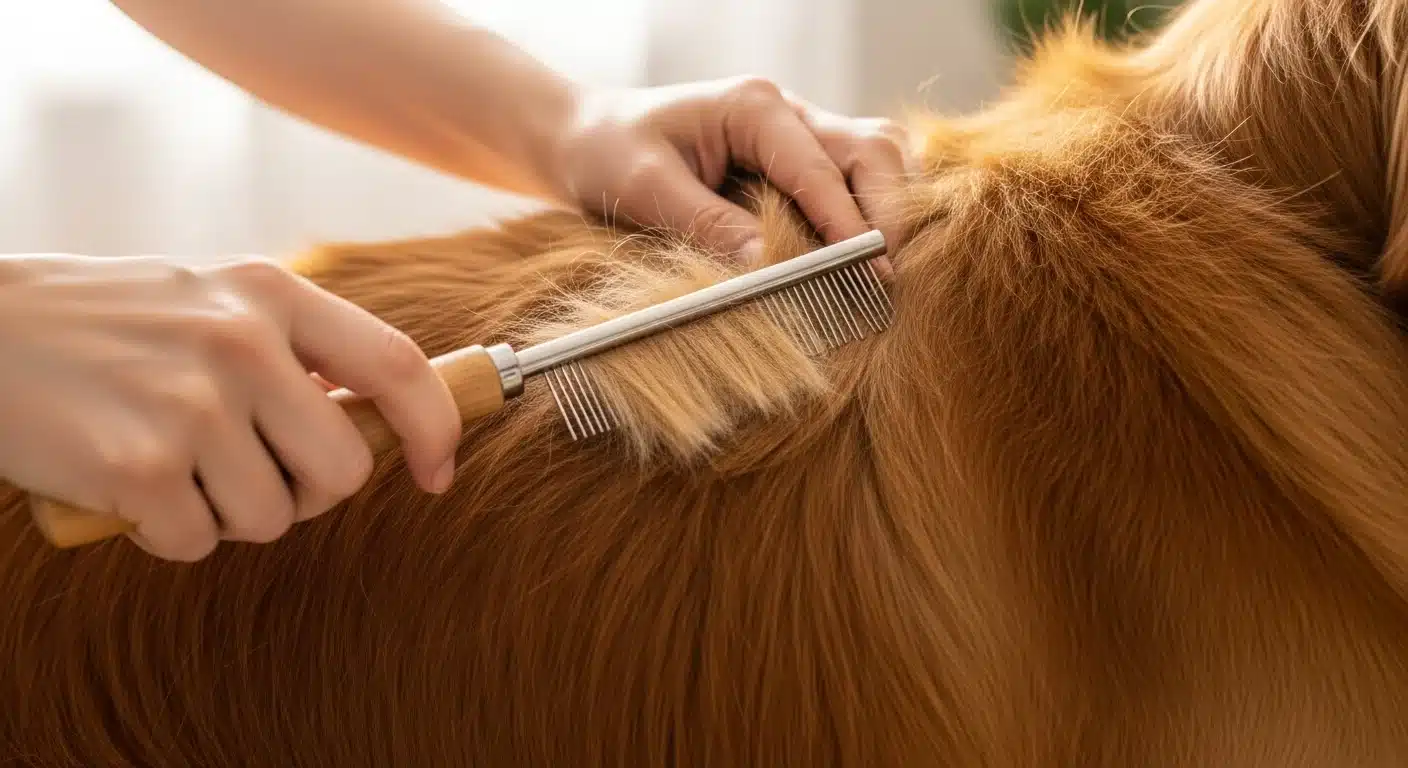
How to Get Mats Out of a Dog’s Fur (Without Hurting Them)
A calm, honest guide to safely working out mats, and the brushing habit that stops them coming back.
Mats are painful. A dense tangle pulls on a dog’s skin every time they move, and what looks like a small knot on the surface often hides a tight cord pressed against the skin underneath. The good news: most mats can be worked out safely at home if they’re caught early. The harder truth: severe matting, the kind that covers a large area or lies flat against the skin, is kinder to remove with clippers in a professional groomer’s hands than to yank apart at home. This guide walks you through why mats form, the safe step-by-step method for removing them without hurting your dog, when to hand off to a groomer, and the brushing routine that stops them forming in the first place.
The tool that prevents mats before they start
The most effective mat strategy is preventing them with regular deshedding. This is the one tool we reach for most on double-coated, long-haired, and heavy-shedding breeds. Verified in stock; price is last-checked, tap through for the live price.
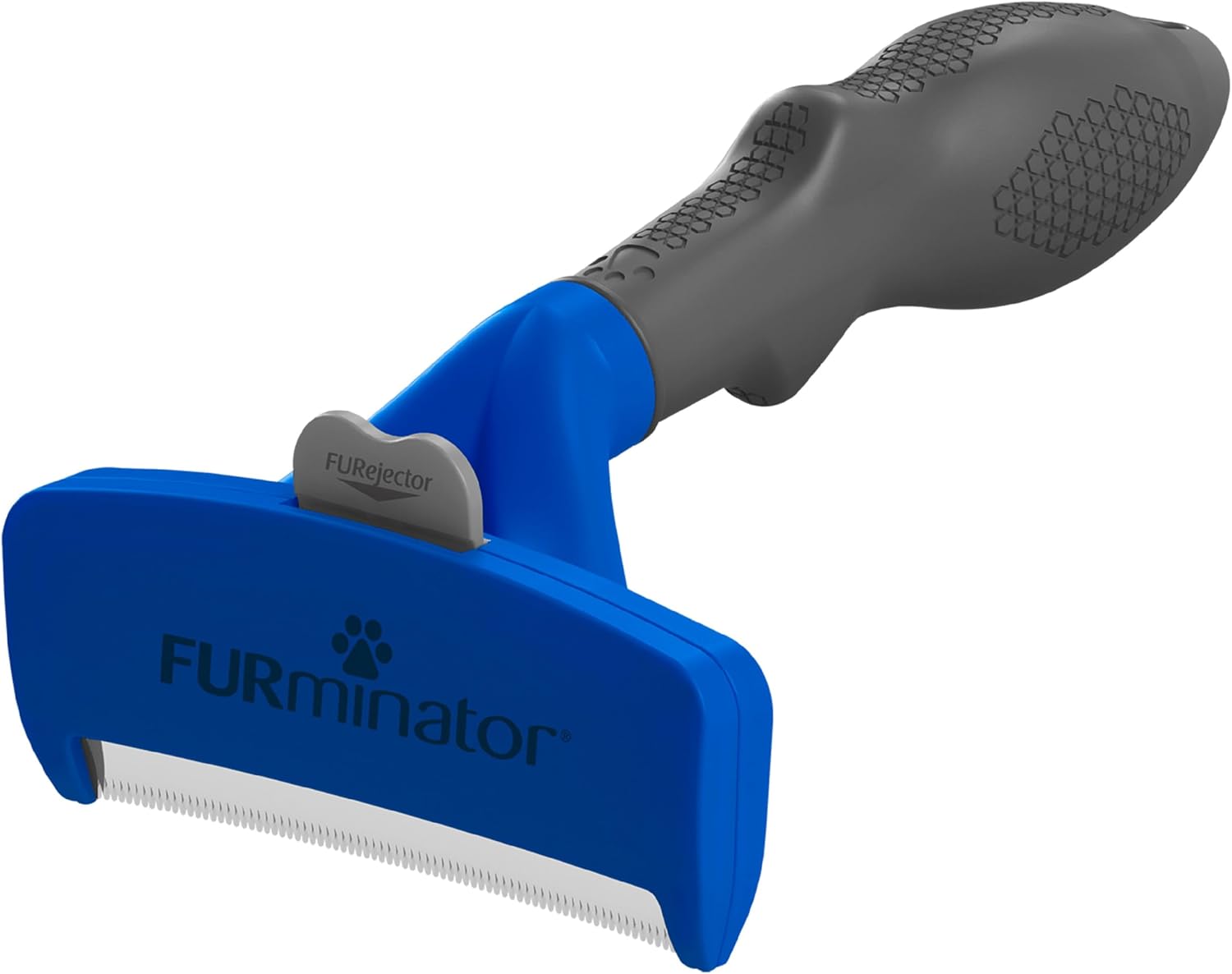
FURminator Undercoat deShedding Tool (Large, Long Hair)
The best mat removal strategy is never needing to remove a mat at all, and the FURminator is the most effective tool we know for that. Its stainless-steel edge reaches through the topcoat to remove loose undercoat (the stuff that tangles into mats) without cutting the coat, and the FURejector button clears the blade with one press. Used once or twice a week on double-coated, long-haired, or curly breeds, it dramatically cuts the undercoat buildup that becomes tomorrow’s matting problem.
What we like
- Removes loose undercoat before it mats, the most effective mat prevention routine we know
- Stainless-steel edge glides through the topcoat without cutting or damaging it
- FURejector button clears collected fur quickly, no digging fur out by hand
- Sized for large breeds; also available in small/medium and short-hair versions
The catches
- Aggressive on fine or silky coats, not for Yorkies or Maltese (use a slicker instead)
- Over-use can thin the topcoat; stick to 1 to 2 sessions per week maximum
- Handle can feel bulky during long sessions on very large dogs
Why do dogs get mats?
A mat is a dense, tangled clump of fur that forms when loose hairs wrap around each other and tighten over time. Understanding where and why they form makes them much easier to prevent.
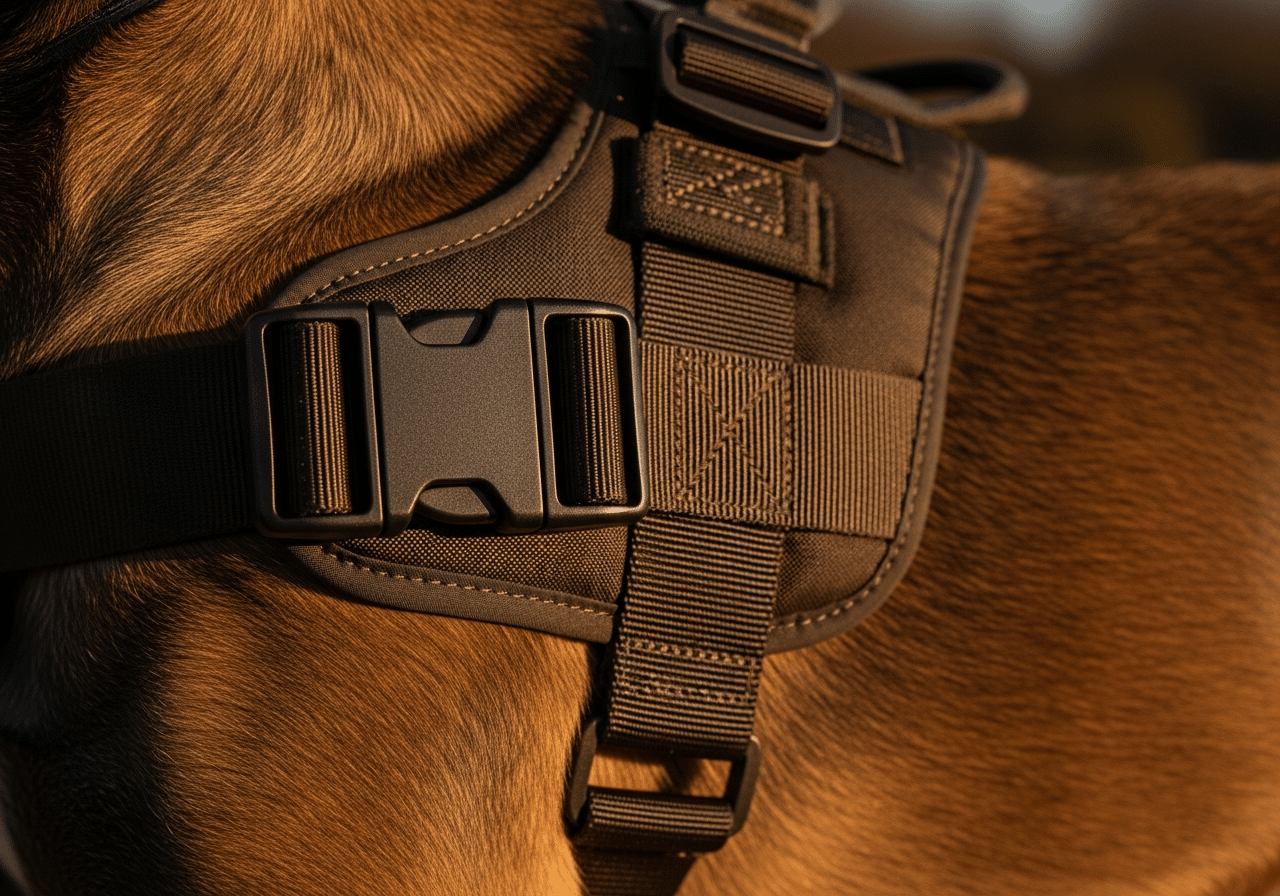
Friction areas are the hot spots. The places where fur rubs against itself or against something else are where mats form fastest: behind the ears, in the armpits, around the collar (especially under a flat collar worn all the time), at the base of the tail, between the back legs, and where a harness contacts the body. These spots get overlooked during routine brushing and are the ones to check first.
Coat type determines risk. Dogs most prone to matting include:
- Long-haired breeds (Golden Retrievers, Irish Setters, Afghan Hounds), longer fur tangles more easily and hides mats deep in the undercoat
- Double-coated breeds (Huskies, German Shepherds, Bernese Mountain Dogs), the dense undercoat sheds constantly; loose fur that isn’t brushed out wraps into mats
- Curly and wavy coats (Doodles, Poodles, Spaniels), the curl structure catches loose hairs and knits them together fast; these dogs can mat in days without brushing
Wet fur that dries tangled. Water makes fur contract as it dries, tightening any loose tangles into hard knots. A dog that swims, rolls in wet grass, or gets rained on and isn’t brushed out afterward is a mat waiting to happen, especially in curly and wavy coats.
Not brushing enough. This is the cause behind most causes. Loose undercoat and shed hairs that stay in the coat wrap around each other over days and weeks. A dog that isn’t brushed regularly is always accumulating the raw material for mats.
Before you start: the rule that saves skin
There is one rule that experienced groomers repeat constantly, and it matters enough to state plainly before anything else:
The second rule is almost as important: hold the base of the mat (the skin side) with one hand the entire time you’re working. This absorbs the pulling force so it never reaches the skin. Without this, every stroke of a comb or brush transmits tension directly to the skin, which is painful and will make your dog hate grooming.
What you’ll need
You don’t need a grooming salon’s full kit. For most home dematting jobs, three things cover you:
- Detangling spray or cornstarch, a dog-safe detangling or dematting spray loosens the fibres and reduces friction; cornstarch is a classic home alternative (work a pinch into the mat, let it sit, then brush out). Either works. Do not use human conditioner or cooking spray.
- A wide-toothed comb or dematting comb, for working through the mat once you’ve separated it with your fingers
- A slicker brush, for finishing and fluffing the coat once the mat is out
What to leave out: scissors. A dog that flinches while you’re holding scissors near a mat against their skin is a vet trip waiting to happen. If cutting is necessary, use a small pair of blunt-tipped grooming shears only to cut the mat lengthwise (splitting it into smaller sections you then work out by hand), never to cut it off at the base. Better still, leave clipping to a groomer entirely.
Safe step-by-step: how to remove a mat
Work in a well-lit spot. Have treats ready. Keep sessions short, 10 to 15 minutes maximum before a break, especially for anxious dogs. Reward generously throughout.
- Find and assess the mat. Run your fingers through the coat in all the friction areas (behind ears, armpits, collar line, tail base, inner thighs). Is the mat loose and raised, or tight against the skin? Can you slide a finger underneath it? Loose mats you can handle at home; mats you can’t get a finger under are a groomer’s job.
- Apply detangler or cornstarch. Spray detangling spray directly onto the mat and let it sit for two minutes. If using cornstarch, work a small pinch into the mat with your fingers and let it sit. This step alone loosens the fibres significantly.
- Hold the base. Grip the mat firmly at the skin side (between your thumb and forefinger, as close to the skin as you can get). You are the shock absorber. Keep this grip throughout every step.
- Work with your fingers first, from the outside in. Start at the tip (outermost edge) of the mat, not the middle. Gently tease apart a few hairs at a time, working inward toward the base. This is slow and that’s fine, rushing tears the coat and hurts the dog. Fingers are more sensitive than any tool and can feel when you’re putting too much tension on the skin.
- Introduce a wide-toothed comb, still from tips to roots. Once your fingers have loosened the outer layers, use a wide-toothed comb (or dematting comb) with short, gentle strokes. Start at the tips and work toward the base, moving in by a centimetre at a time. Never drag a comb through a mat from root to tip, that just compresses it tighter.
- Finish with a slicker brush. Once the mat is free, brush the area with a slicker brush to smooth the coat and remove any remaining loose hair. This also finds any secondary tangles you’ve missed.
- Reward and take a break. Give your dog a treat and several minutes of calm before moving to the next mat. A dog that associates dematting with positive things tolerates it better over time; a dog that’s been ground through a long stressful session will hate grooming for months.
Do’s and don’ts at a glance
| Do | Don’t |
|---|---|
| Always hold the base of the mat to protect the skin | Don’t brush without holding the base — it pulls the skin |
| Demat before bathing, not after | Don’t bathe a matted dog — water tightens mats |
| Work from tips inward to roots, slowly | Don’t drag a comb root-to-tip through a mat |
| Use detangling spray or cornstarch to loosen fibres first | Don’t use human conditioner or cooking spray |
| Use fingers first, then a wide comb, then a slicker brush | Don’t start with scissors unless you know what you’re doing |
| Take short sessions with breaks and treats | Don’t push through pain signals — whining or snapping means stop |
| Check friction spots (ears, armpits, collar, tail) first | Don’t ignore mats — they worsen and hide skin problems |
| Call a groomer when a mat is tight against the skin | Don’t try to yank out a pelt — it causes real pain and skin damage |
When to stop and call a groomer
Knowing when to hand off is as important as knowing the technique. Some situations where home dematting causes more harm than good:
- The mat is tight against the skin. If you can’t slide a finger between the mat and the skin, it’s too close to work safely at home. Pulling will stretch and bruise the skin, and possibly cause lacerations.
- The mat covers a large area. A single small tangle is a 15-minute home job. A dog whose entire back, sides, or hind end is pelted (multiple mats fused together into a sheet of fur) needs clippers, not a comb.
- There are sores or redness underneath. Severe mats trap moisture and debris against the skin, leading to sores, skin infections, and maggot infestations in warm weather. If you part the mat and see red, irritated, or broken skin, stop and see a vet or groomer immediately.
- Your dog is showing real pain signals. Growling, snapping, and attempting to bite during dematting are communication, not defiance. A dog in genuine pain from tight mats needs professional intervention, not a firmer grip.
The hard truth about severe matting: a full shave-down by a professional groomer — even when it leaves your dog looking patchy and stripped — is the humane choice when matting is severe. The coat grows back. The skin damage from forcibly ripping out a pelt does not heal as easily, and the psychological damage to a dog put through a painful home dematting session lasts longer still. A good groomer can demat humanely with the right tools; there is no shame in recognising when a job exceeds home equipment and skill.
If you’re in the UK, look for a groomer registered with the British Dog Groomers’ Association. In the US, the National Dog Groomers Association of America and International Professional Groomers offer member directories. Your vet’s office is also a solid referral source for a groomer they trust.
Prevention: the brushing schedule that stops mats forming
Every mat you remove at home is a mat you didn’t prevent. A consistent brushing routine is genuinely easier than dematting, once it becomes habit. How often depends on coat type:
| Coat type | Examples | Brush frequency | Key tool |
|---|---|---|---|
| Short, smooth | Boxer, Pointer, Whippet | Once a week | Rubber curry brush |
| Short, dense double coat | Labrador, Beagle | 2–3 times a week | Undercoat rake or slicker |
| Medium double coat | German Shepherd, Husky | 3–4 times a week; daily during seasonal shed | Deshedding tool + slicker |
| Long, silky | Afghan Hound, Maltese, Yorkshire Terrier | Daily | Wide-toothed comb + pin brush |
| Long, thick double coat | Golden Retriever, Bernese Mountain Dog, Newfoundland | Daily, especially friction areas | Deshedding tool + slicker + wide comb |
| Curly / wavy | Poodle, Doodle variants, Spaniel | Daily, no exceptions | Slicker brush + wide-toothed comb |
The key points regardless of coat type:
- Always brush the friction areas first (behind ears, armpits, collar, tail base), these mat fastest and are easiest to miss
- Dry the coat after water exposure (swimming, rain) and brush before it sets tangled
- Remove the collar occasionally and brush the fur underneath, a collar worn 24/7 is a mat factory in the making
- Demat before bathing, bathe to finish, brush or comb before every bath; never put a tangled dog in water
For heavy shedders and double-coated dogs, a quality deshedding tool used regularly is the single biggest investment in mat prevention, it removes the loose undercoat that becomes tomorrow’s mat before it has a chance to tangle. You’ll also find every coat-type tool in the dog grooming tools hub.
After dematting: aftercare and coat recovery
Once you’ve successfully worked out the mats, the coat needs some recovery:
- Now you can bathe. With mats gone, a gentle bath with a moisturising dog shampoo helps condition the coat and skin. Blow-dry on a low heat or cool setting while brushing to prevent new tangles forming during drying, this is how professional groomers set the coat after dematting.
- Check the skin underneath. Part the coat in the formerly matted areas and look for redness, sores, or thickened skin. Minor redness from pulling usually resolves in a day or two; broken skin or sores that don’t improve need a vet visit.
- Start a prevention schedule immediately. The coat that just matted will mat again unless you change the routine. Decide on a brushing schedule now, before the memory of the dematting session fades.
- Consider a shorter clip if the coat is very prone to matting. A shorter trim every 6–8 weeks by a groomer is far less work (for both you and the dog) than fighting dense mats every few months. Many owners of high-maintenance coats settle on a practical working length that stays manageable year-round, and reserve the longer, fuller coat for show-dog owners with professional grooming teams.
If your dog had severe matting that required a professional shave-down, the coat typically regrows in 3–6 months, longer for some breeds. Start the prevention routine on the new growth from day one.
For more on keeping a dog’s coat in good shape year-round, see our guides on how to groom a dog at home and the best deshedding tools for heavy-shedding breeds.
Keep reading: grooming guides
Matted dog fur: common questions answered
How do you get mats out of a dog’s fur without hurting them?
Hold the base of the mat firmly between your fingers (the skin side) throughout the whole process, this is the key step that prevents pain. Apply a detangling spray or cornstarch to loosen the fibres, then work from the outside tips inward using your fingers first, then a wide-toothed or dematting comb. Use short, gentle strokes and never drag the comb root to tip through a mat. Finish with a slicker brush, keep sessions short, and reward your dog throughout. Never bathe a matted dog first, water tightens mats.
Why do dogs get mats in their fur?
Mats form when loose hairs tangle together and tighten over time. The most common causes are: not brushing regularly enough so shed hairs accumulate in the coat; friction at high-contact areas like behind the ears, armpits, collar line, and tail base; wet fur that dries tangled (after swimming or rain); and coat types that are naturally prone to matting, long, double, or curly coats trap shed hair and form mats quickly without frequent brushing.
Should you bathe a dog before or after removing mats?
Always demat before bathing, never after. Water causes fur to contract as it dries, which tightens any existing tangles into dense, hard mats that are much more difficult to remove. Remove all mats first on a dry coat, then bathe the dog. This is one of the most important rules in grooming and the most common mistake owners make.
When should I take a matted dog to a groomer instead of doing it at home?
Take the dog to a professional groomer if: the mats are tight against the skin and you can’t slide a finger underneath, the matted area is large or covers much of the body (a pelt), there’s redness, broken skin, or sores visible underneath the mat, or your dog is snapping or showing real pain signals during the attempt. A groomer’s shave-down is the humane option when matting is severe, the coat grows back, but skin damage and a traumatised dog are harder to recover from.
What is the best tool for removing mats from dog fur?
Your fingers are the best starting tool, they’re sensitive and can feel how much tension you’re putting on the skin. After loosening the mat with fingers and detangling spray, a wide-toothed comb or dedicated dematting comb (which has serrated teeth designed to cut through tangled fibres without pulling) is the most effective next step, followed by a slicker brush to finish. Avoid scissors unless you’re confident, use blunt-tipped grooming shears only to split a mat lengthwise into smaller sections if needed, never to cut it off at the base.
How do I prevent my dog from getting mats?
Regular brushing is the only reliable prevention. How often depends on coat type: short smooth coats need brushing once a week; medium double coats three to four times a week; long, thick, or curly coats need daily brushing. Always pay extra attention to friction areas (behind ears, armpits, collar, tail base). Remove the collar periodically to brush underneath it. Brush or comb before every bath, never put a tangled coat in water. For heavy shedders, a deshedding tool used regularly removes the loose undercoat before it has a chance to mat.