 Dog Gear, Sized Right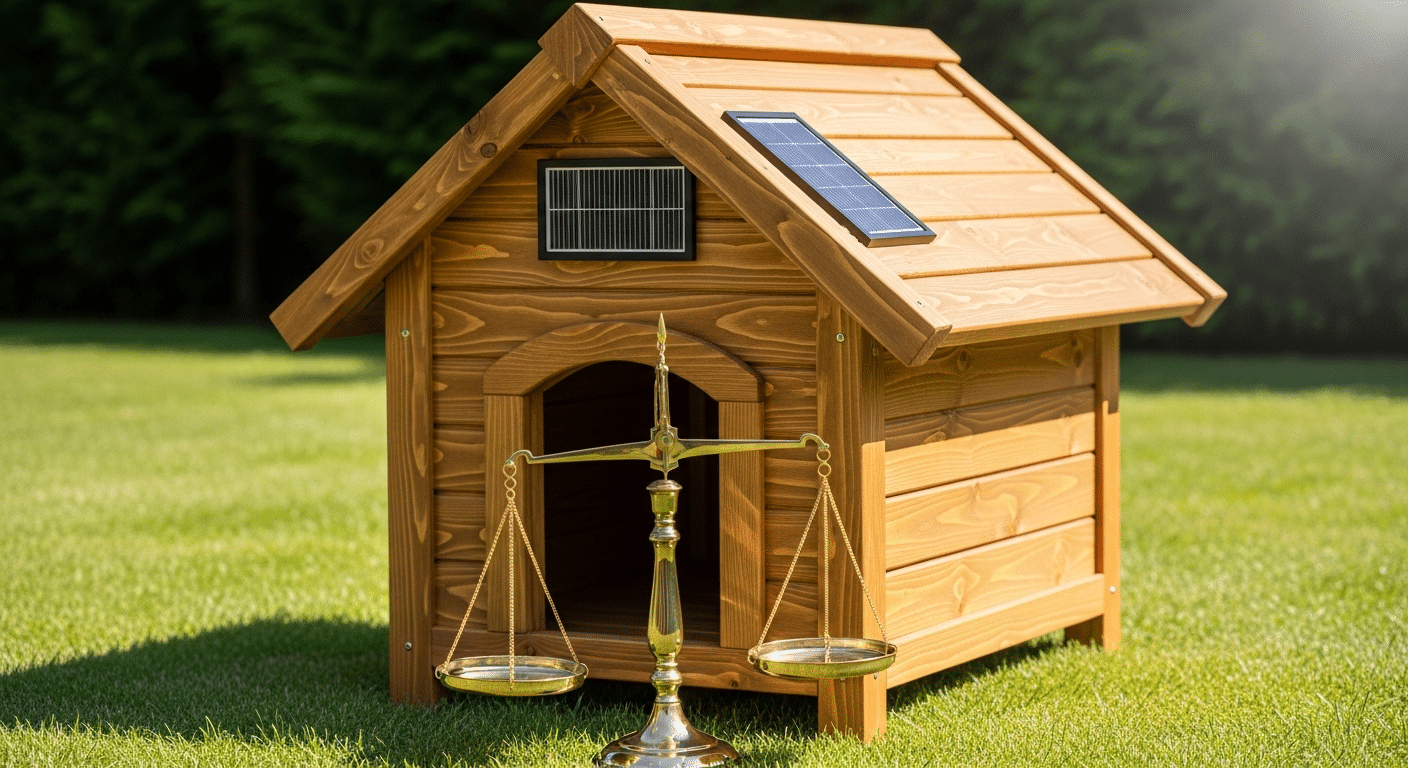
Are Solar Heated Dog Houses Worth It? (Benefits vs Cost)
We weigh the real benefits against the upfront cost and limitations — and tell you honestly who a solar heated dog house is, and isn’t, worth it for.
Solar Heated Dog House Gear Worth Buying
Each pick is verified in stock. Prices are last-checked — tap through for the live price.
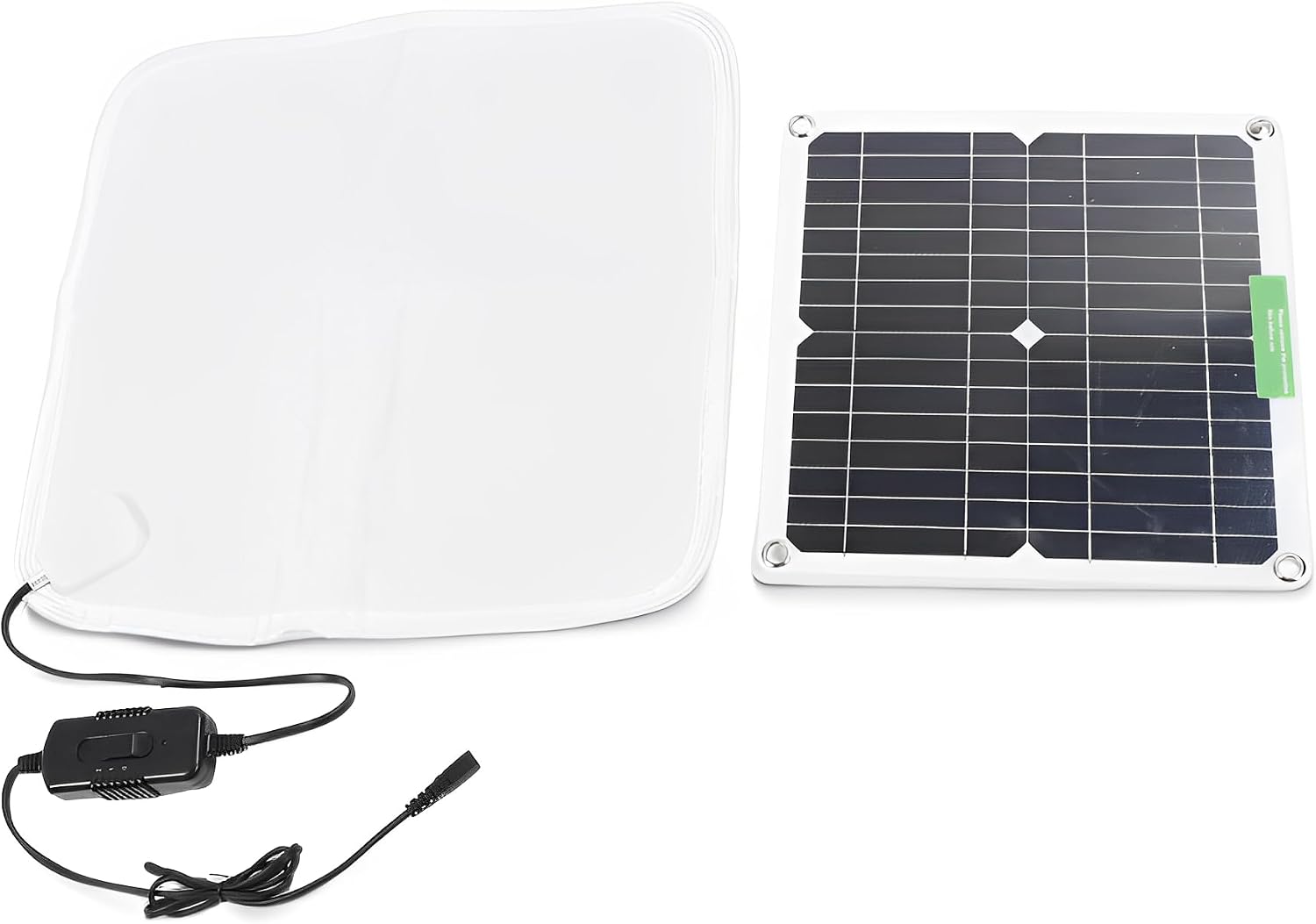
LICAEVEY Solar Heating Pad
A low-voltage heated pad with an included solar panel — the most direct, efficient way to add solar warmth.
What we like
- Safest low-voltage option
- Sips power
The catches
- Pad warmth only — pair with insulation
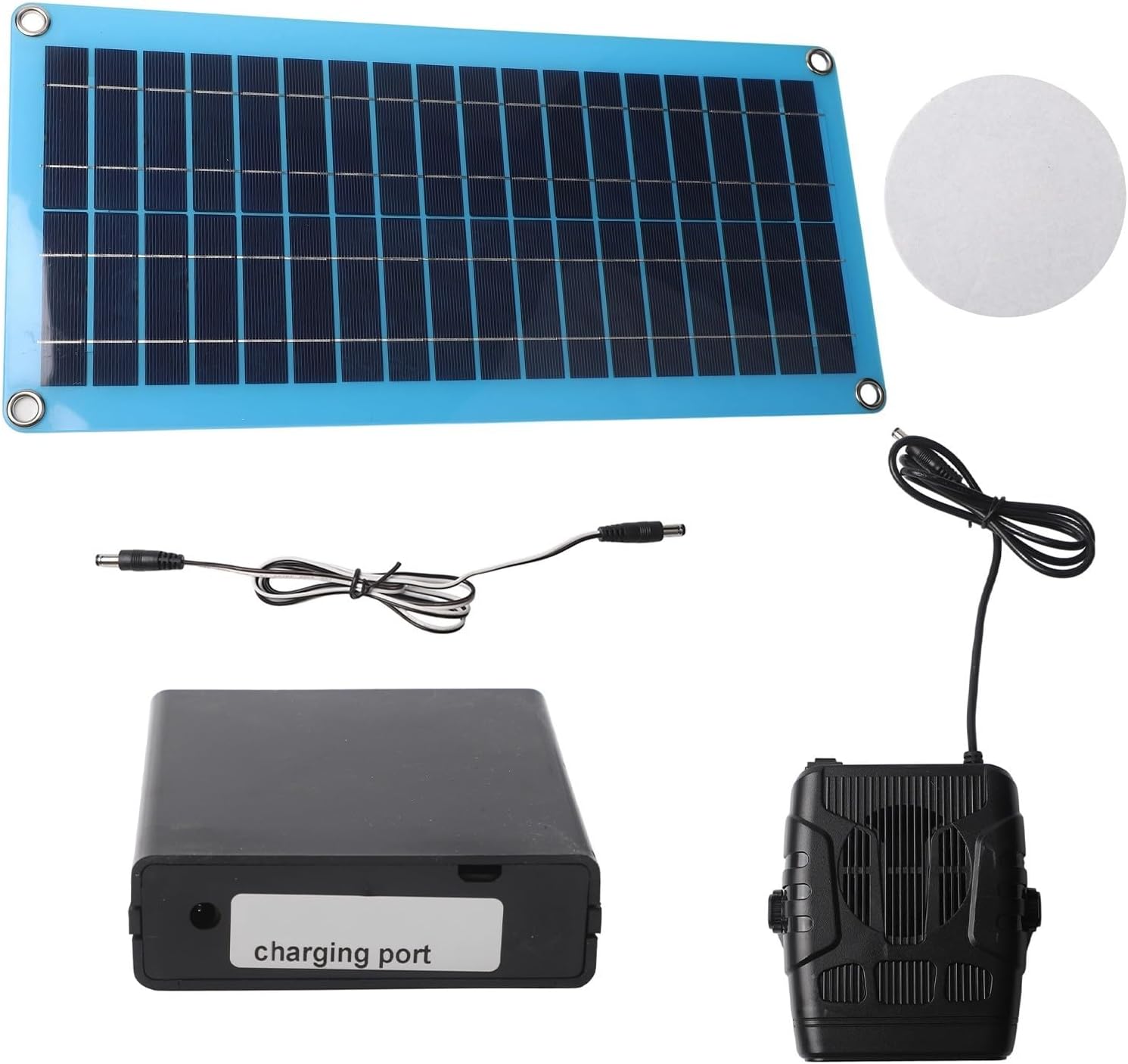
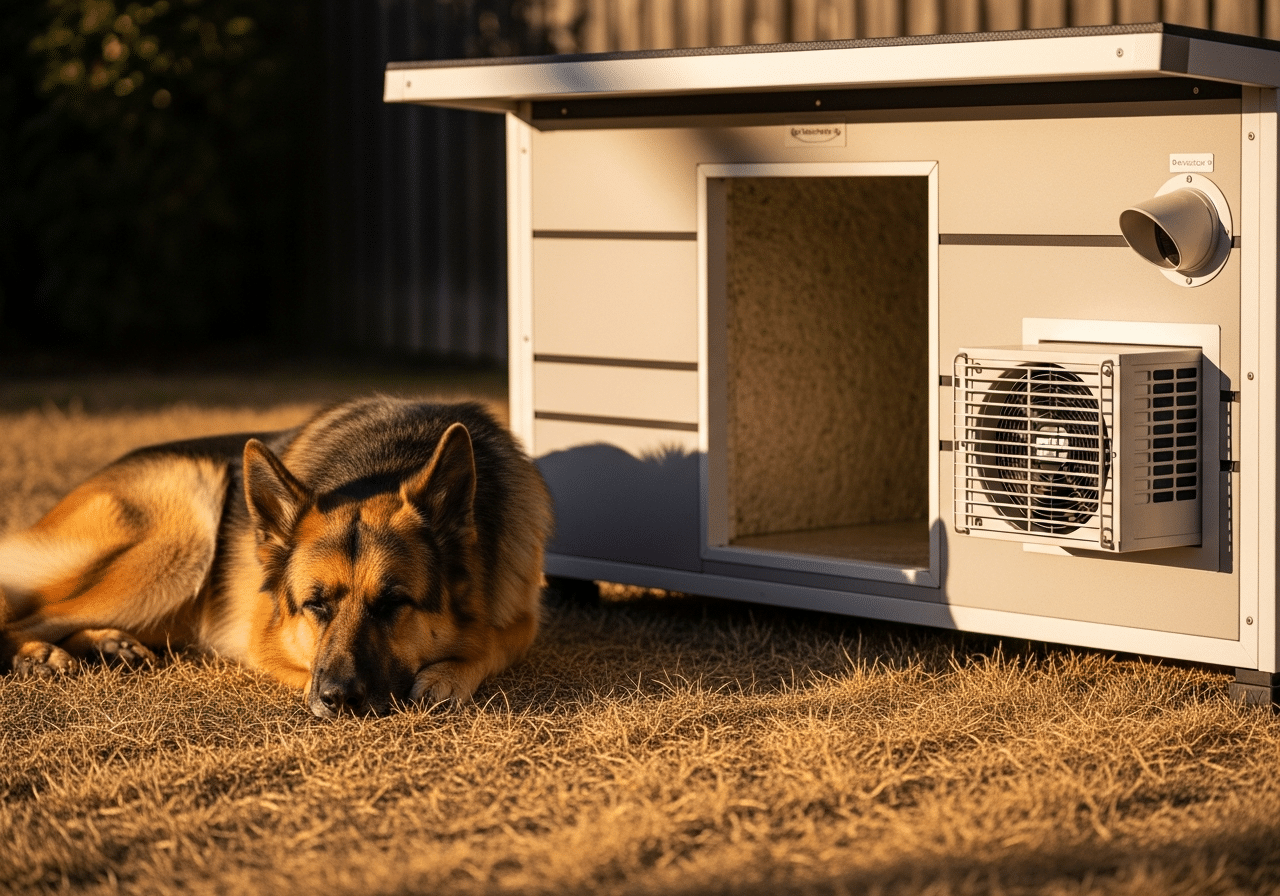
YobiLife Solar Heater Kit
Panel, battery and a small fan-heater so warmth keeps flowing after sundown — best in a small insulated house.
What we like
- Warmth past sundown
- Genuinely off-grid
The catches
- Modest output — small houses
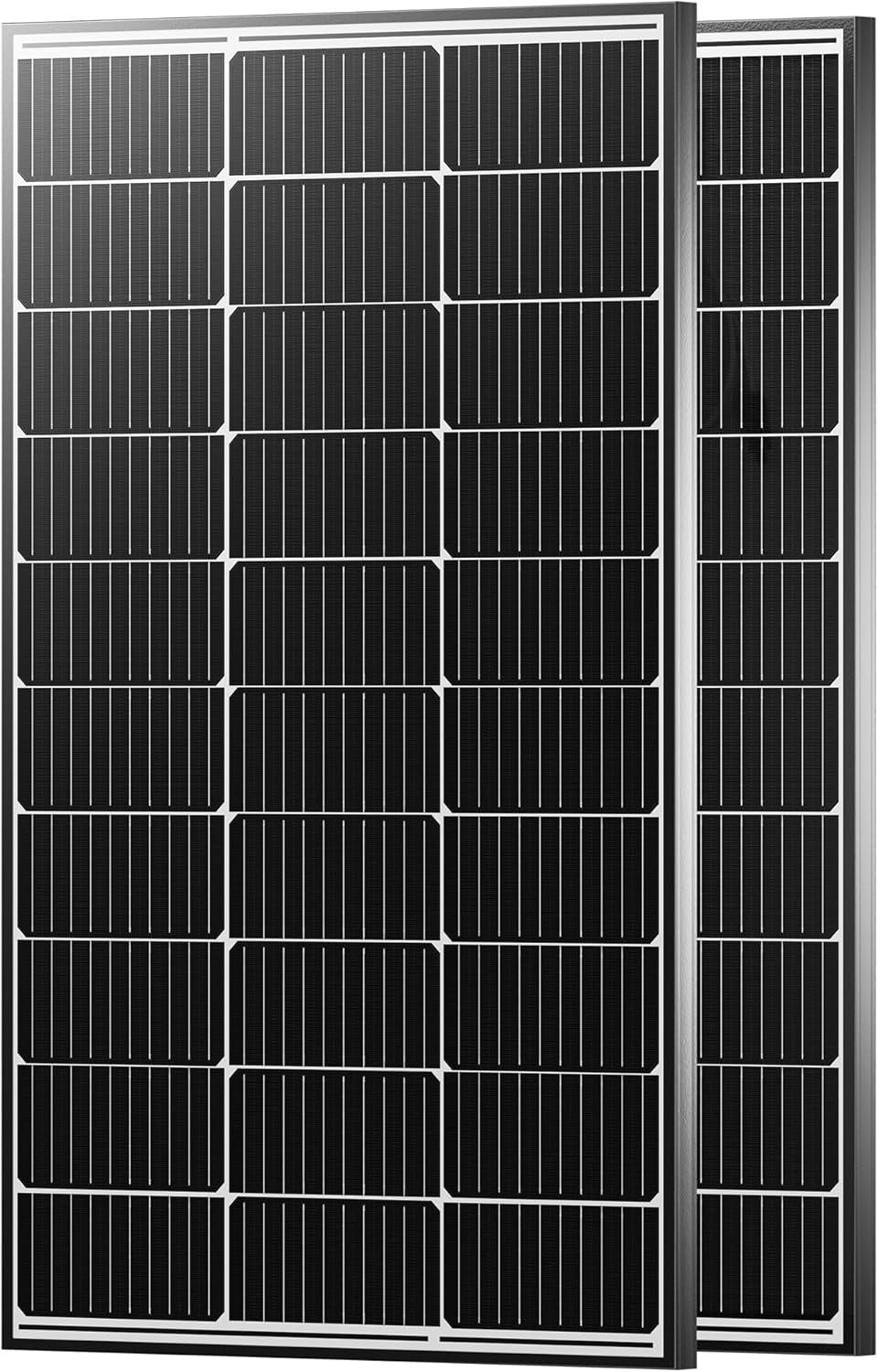
JJN 100W Solar Panel Kit
Real wattage to run a heated pad through a cold night with a battery — far more headroom than a trickle panel.
What we like
- Real cold-night power
- High-efficiency cells
The catches
- Needs a battery + controller
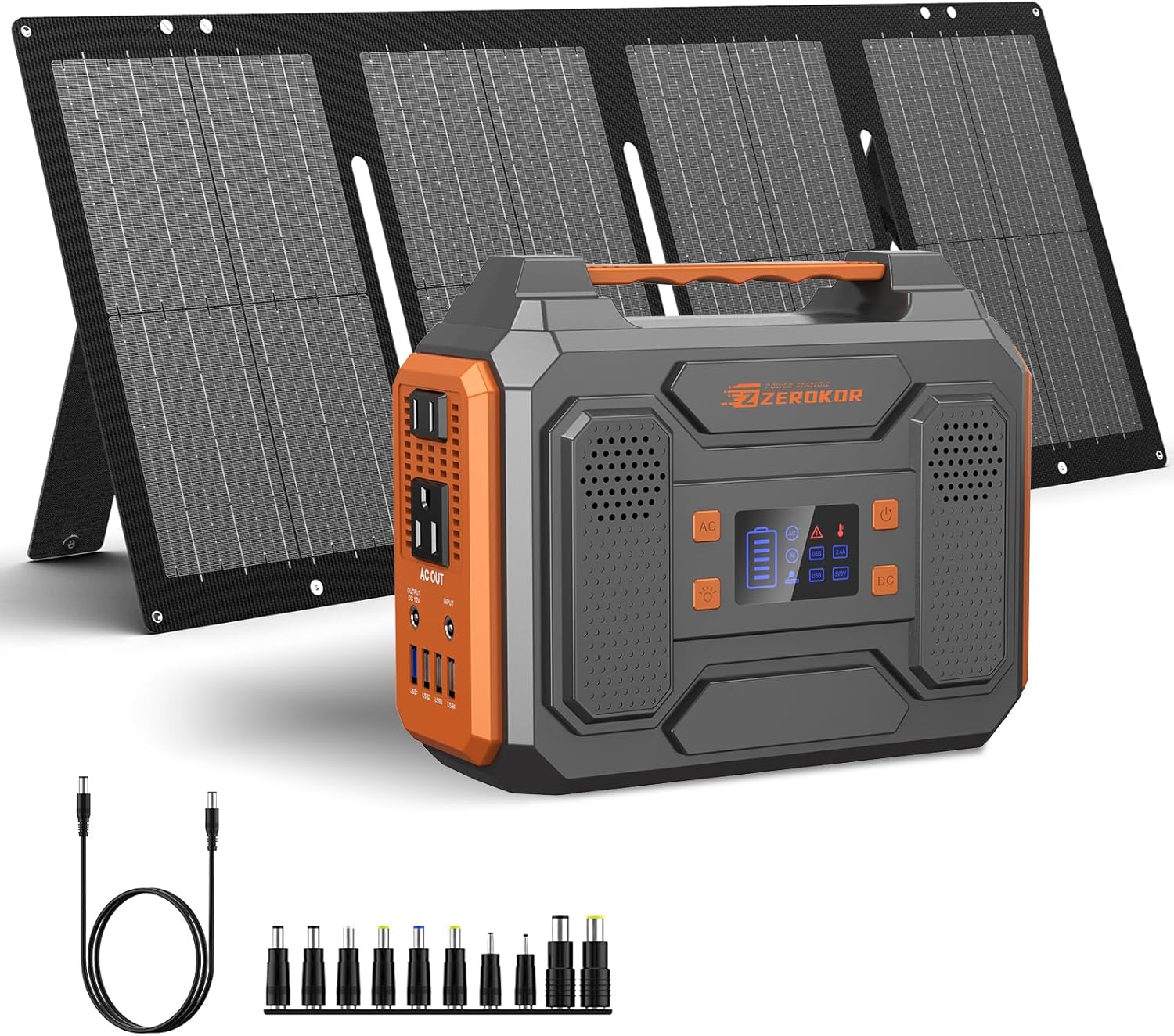
Portable Solar Generator (300W)
A power station banks the day’s solar so a heated pad runs reliably overnight — the dependable off-grid core.
What we like
- Reliable overnight run-time
- Powers other gear
The catches
- Adds cost
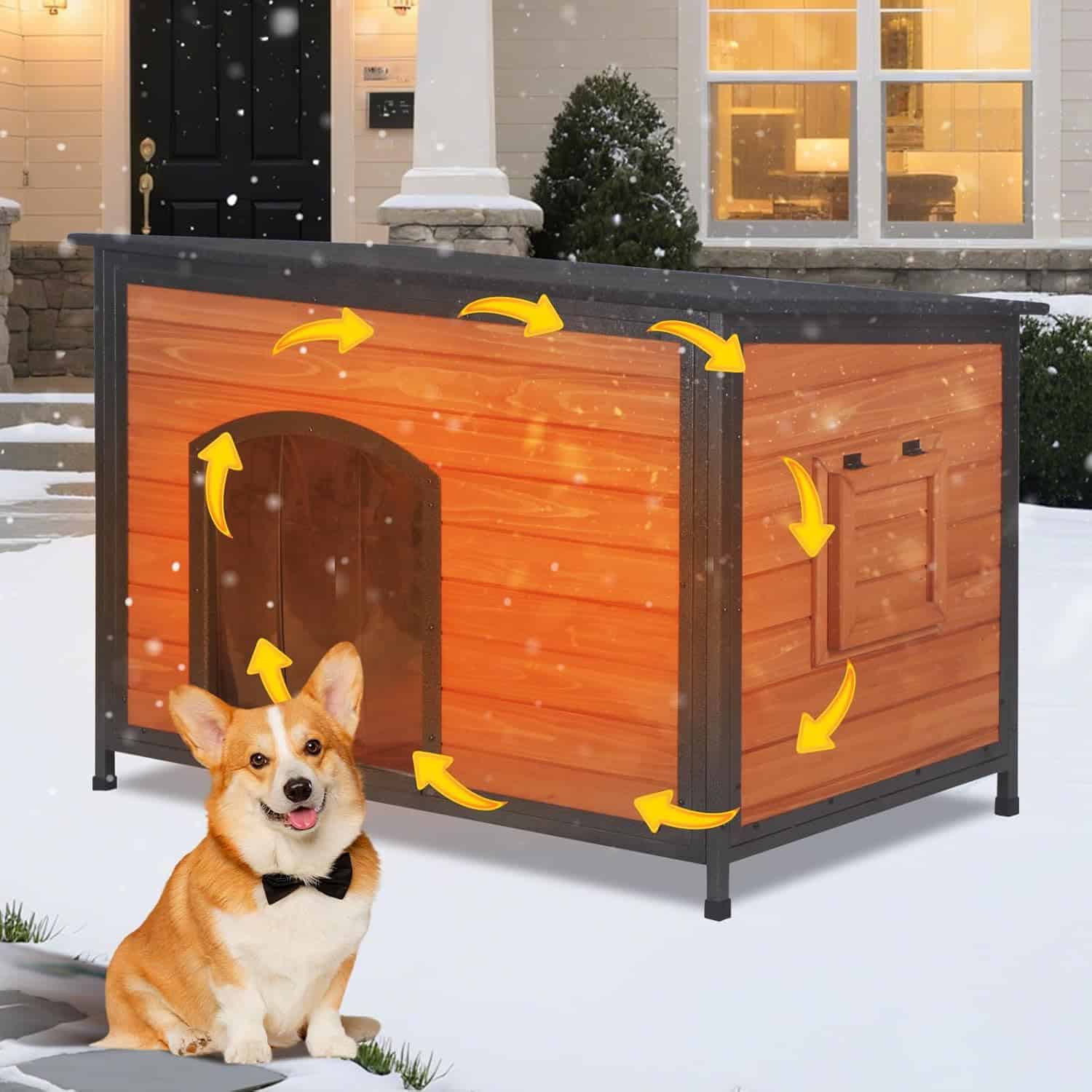
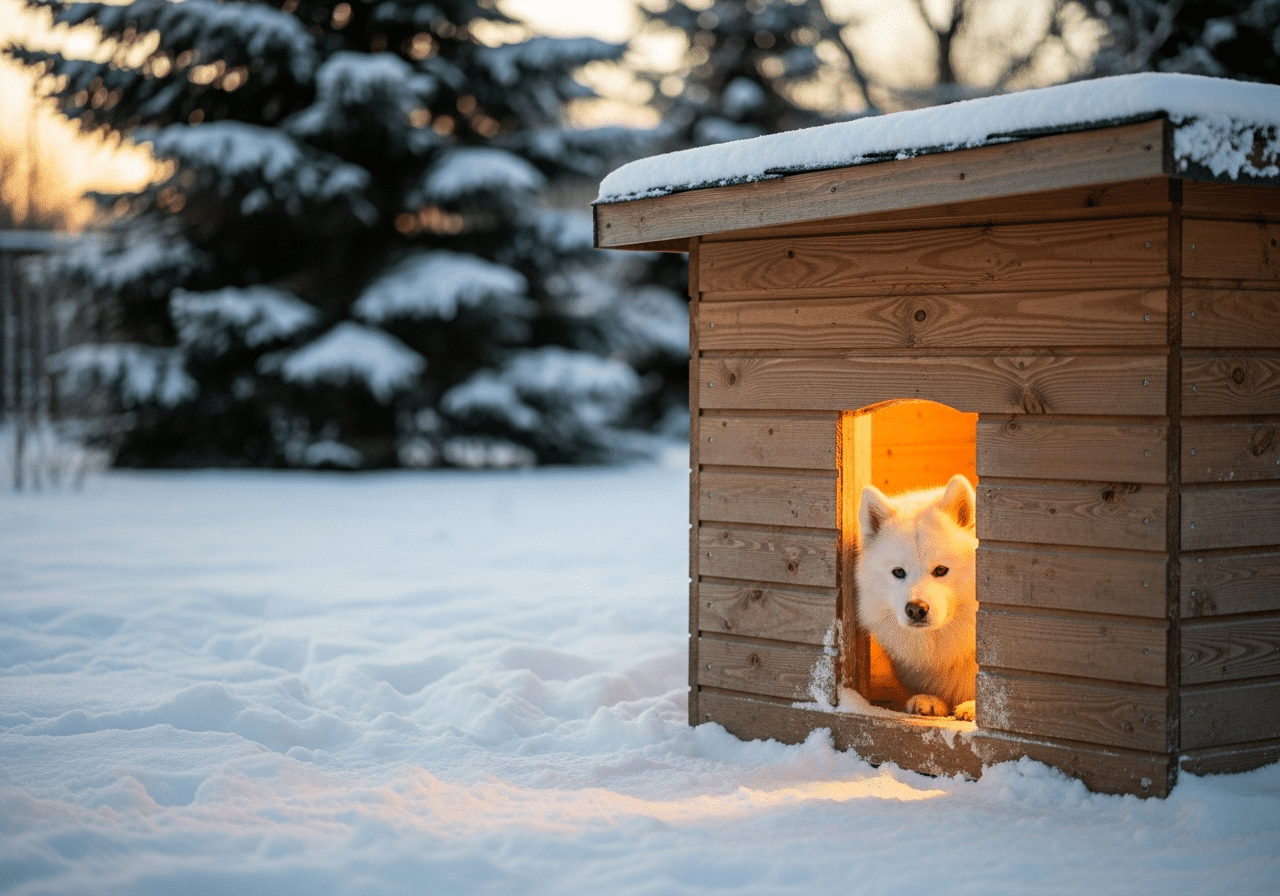
Insulated Wooden Dog House
Solar heat is wasted on a draughty box. This insulated, raised, flap-doored house holds the warmth in.
What we like
- Makes heat count
- Weatherproof base
The catches
- Some assembly
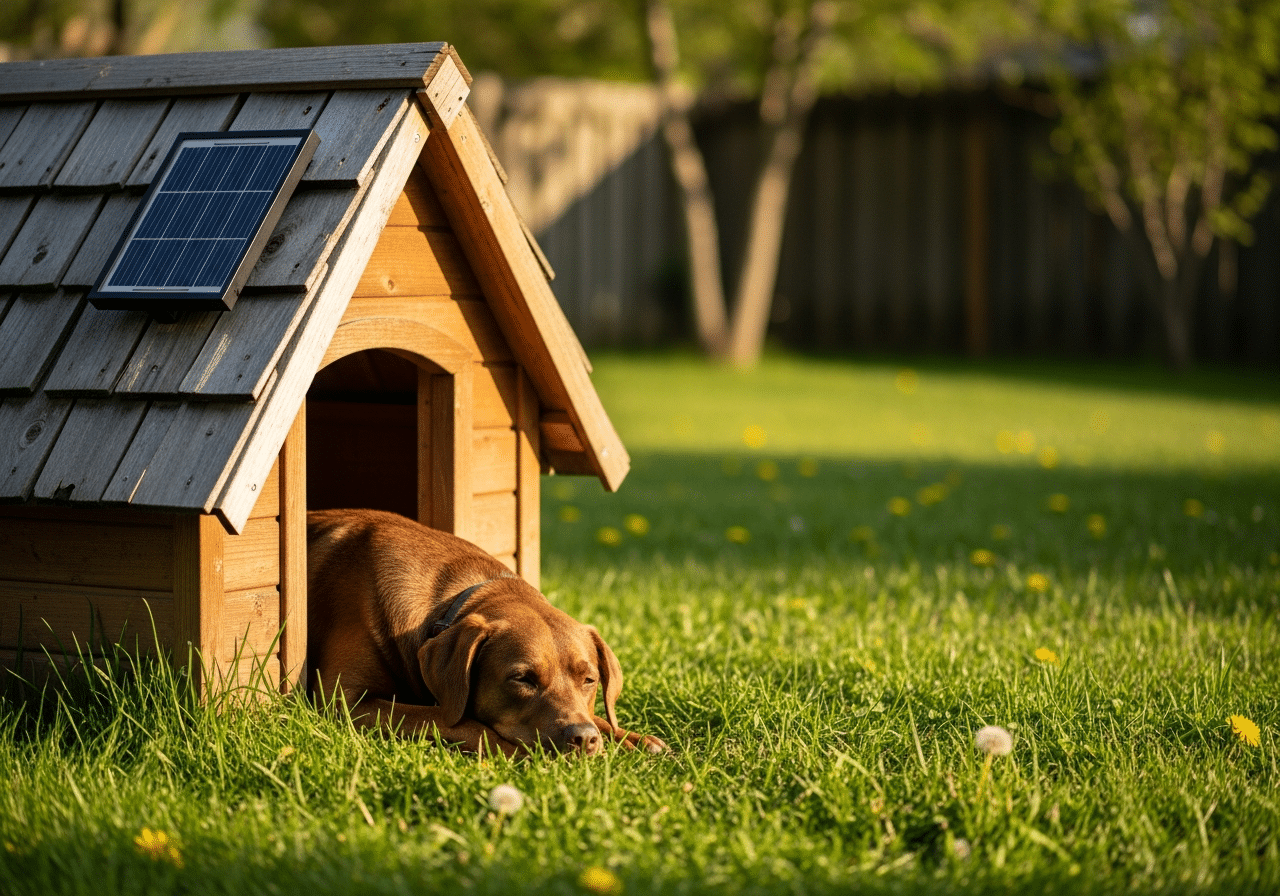
Are solar heated dog houses worth it? For the right owner, yes — but it’s a genuine trade-off, not a no-brainer. A solar heated dog house pays you back with near-zero running costs, off-grid freedom, and safe low-voltage warmth, but you front a higher upfront cost and accept one real limitation: a long run of dark, snowy days can out-pace what the battery stored. This page is the honest verdict — we lay the benefits against the cost and limits side by side, then tell you exactly who a solar heated dog house is worth it for and who should pick something simpler.
The verdict: are solar heated dog houses worth it?
Most owners overthink this, so here’s the short of it: solar’s advantage is where you can put heat (anywhere the sun reaches, no wiring) and how little it costs to run (sunlight is free). Its cost is the panel, battery and controller you buy up front, plus the discipline to size them right. Below we put real numbers and trade-offs on both sides so you can decide for your dog and your winter.
The benefits: what makes a solar heated dog house worth it
When a solar setup is worth it, it’s worth it for these reasons — and they compound over the years you own the kennel:
- Near-zero running cost. Once it’s installed, sunlight is free. A 12V heated pad sips power, and the panel replaces it daily, so there’s no winter spike on your electric bill.
- True off-grid freedom. No outlet, no extension cord across the yard, no trenching for a buried line. You can place the house wherever shade and wind say it should go, not where the wiring allows.
- Safe, low-voltage warmth. A 12V DC system carries far less shock and fire risk than a mains-powered 120V heater — a real plus for an unsupervised outdoor kennel.
- Quiet and self-regulating. Paired with a thermostat/timer, it only heats when needed and runs silently, protecting both the battery and your dog from overheating.
- Resilient in outages. When the grid goes down in a winter storm, your battery-backed pad keeps working — exactly when a dog needs it most.
For the underlying mechanics of how a panel and battery actually capture and store that free energy, the U.S. Department of Energy’s guide to active solar heating is a solid primer.
Benefits vs cost & limitations, side by side
Here’s the honest ledger. Weigh each benefit against what it costs you to get it:
| Factor | The benefit | The cost / limitation |
|---|---|---|
| Running cost | Near-zero — sunlight is free, year after year | You only see the payback over time, not on day one |
| Upfront cost | — | Higher: panel + charge controller + 12V deep-cycle battery + pad add up vs a plain electric pad |
| Placement | Goes anywhere the sun reaches — no wiring | Needs a spot with real winter sun; deep shade kills it |
| Reliability | Battery carries heat overnight and through outages | A long run of dark, snowy, short days can out-pace the battery — the one true weak point |
| Safety | Low-voltage 12V — minimal shock/fire risk | Components must be sized and wired correctly to be safe and reliable |
| Effort | Set-and-forget once installed | A weekend to build/size a DIY system (or pay more for a ready-made kit) |
| Extreme cold | Fine for most winters with good insulation | Sub-20°F for days may need a grid backup or electric instead |
For a full parts-and-dollars breakdown, see our cost to build a solar heated dog house guide — it puts real numbers on that upfront column.
The real disadvantage of solar heating (don’t skip this)
If you take one limitation seriously, make it this one. The disadvantage of a solar heating system is that it depends on the sun — so a stretch of dark, snowy, short winter days can drain the battery faster than the panel refills it, and that shortfall tends to hit exactly when your dog needs heat most. Cloud, snow on the panel, and a low winter sun angle all cut how much energy you bank each day.
The fix isn’t to abandon solar — it’s to plan around it:
- Oversize the battery and panel so they carry several gloomy days of reserve, not just one sunny day’s worth.
- Insulate hard (R-10 to R-15 walls, floor and roof) so the heat you do bank lasts far longer and the heater runs less.
- Keep a small grid backup if your climate routinely sits in single digits — many owners run solar as the primary and a plug-in pad as the fail-safe.
Get those right and the limitation shrinks to a corner case. Skip them and a cold snap exposes it. We stress-test the whole approach in do solar heated dog houses actually work.
Who a solar heated dog house is worth it for
The clearest way to answer “is it worth it for me?” is to match yourself to one of these profiles:
Worth it for you if…
- Your yard is off-grid or far from an outlet — solar saves you trenching, cords, and an electrician.
- You get reasonable winter sun and a mostly mild-to-moderate cold season.
- You think in years, not weeks — the near-zero running cost rewards a long-term owner.
- You want grid-outage resilience for a dog that lives outdoors through storms.
- You enjoy a weekend build or are happy to buy a ready-made solar kit.
Probably not worth it if…
- There’s a power outlet a few feet away — a thermostatic electric pad is cheaper and simpler.
- Your winters are long, dark and brutally cold (sustained single digits) — grid heat is more dependable.
- You want the lowest upfront price this week and don’t care about running cost.
- Your only good spot is deep shade — no sun, no solar.
Making it worth it: the house matters more than the panel
Here’s the lever most people miss when deciding whether solar is worth it: the kennel itself decides your return on investment. A great solar setup in a leaky, uninsulated box wastes most of its warmth, which makes the upfront cost feel wasted. Get the build right and even a modest solar source keeps a dog cozy — and that’s what tips the math toward “worth it.”
- Insulation (R-10 to R-15): rigid foam in walls, floor and roof — the single biggest factor in holding heat.
- Elevate and seal: a raised base stops cold wicking up; an offset or baffled doorway with a heavy door flap kills draughts.
- Straw bedding, never blankets: straw insulates and repels moisture; blankets absorb damp, freeze, and draw heat away.
- A little ventilation: a small high vent stops condensation from a warm dog in a sealed box.
Do this and the same solar kit heats a smaller load for fewer hours — which is exactly how a setup that looked borderline becomes clearly worth it. Ready to choose? Start with our best solar heated dog houses shortlist, sorted by dog size and climate.