 Dog Gear, Sized Right
Solar vs Electric Dog House: Buyer’s Decision Guide
Skip the overview, answer four quick questions and you’ll know which one to buy. Outlet, climate, off-grid, budget: each one points you at solar or electric.
Our Top Solar & Electric Heating Picks
Each pick is verified in stock. Prices are last-checked, tap through for the live price.
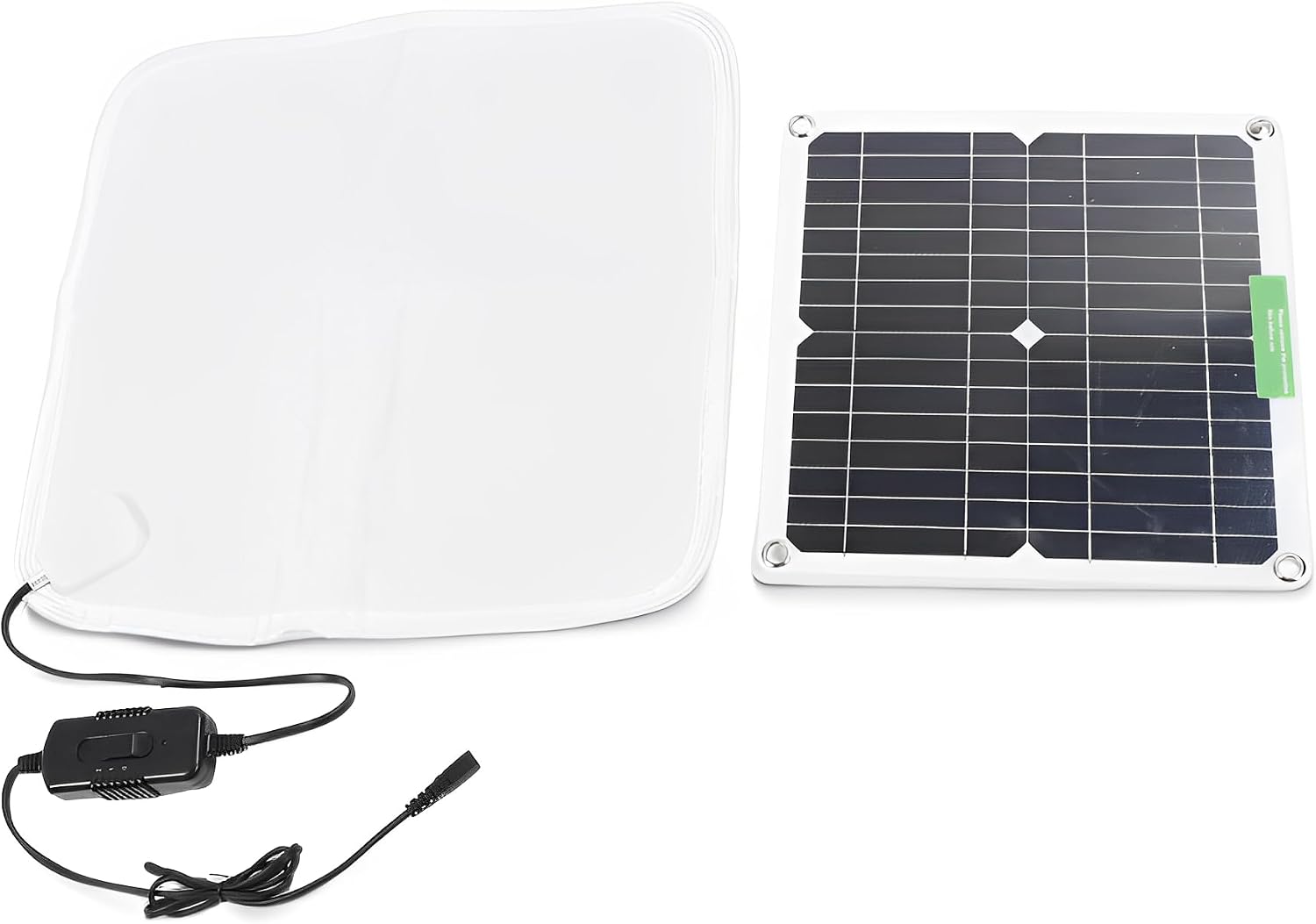
LICAEVEY Solar Heating Pad
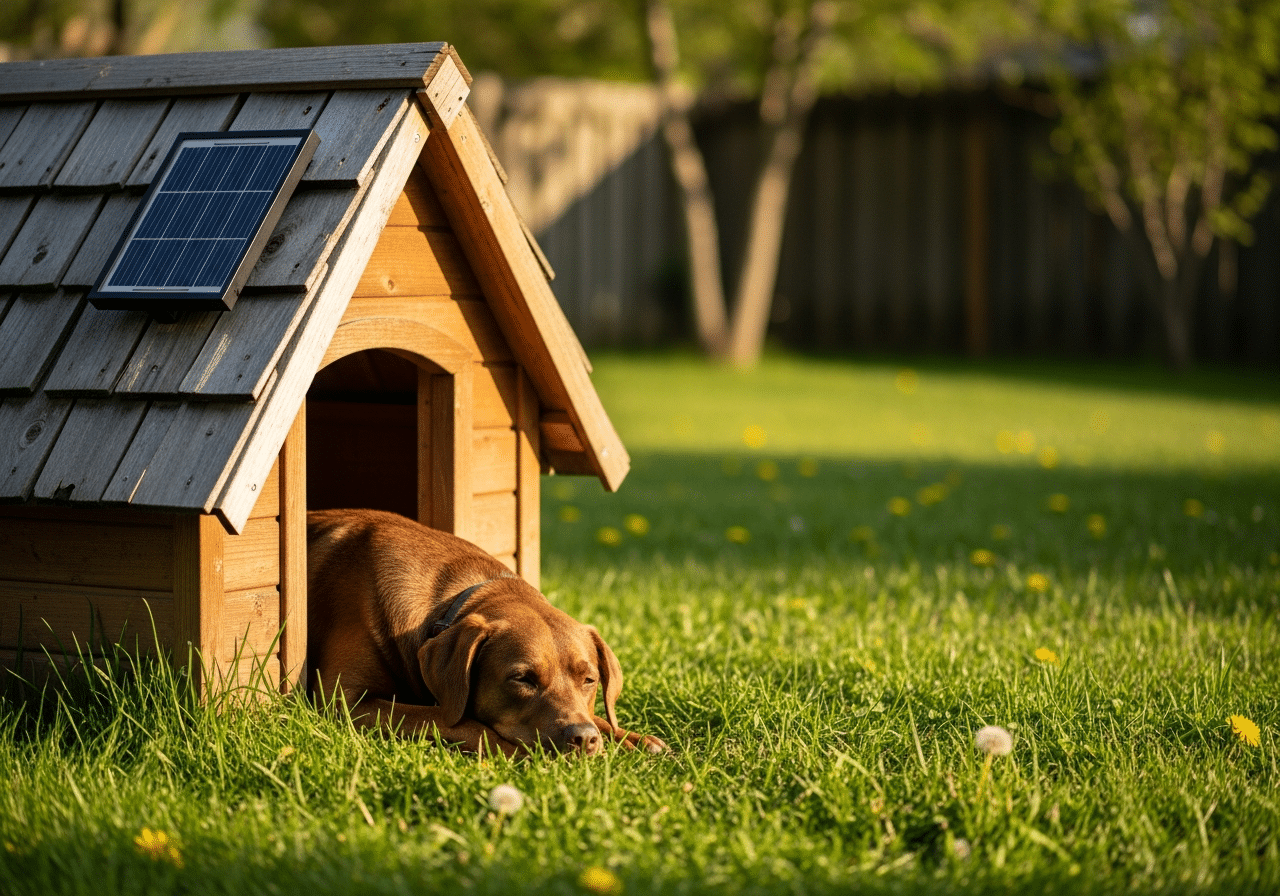
A low-voltage heated pad with an included solar panel, the most direct, efficient way to add solar warmth.
What we like
- Safest low-voltage option
- Sips power
The catches
- Pad warmth only, pair with insulation
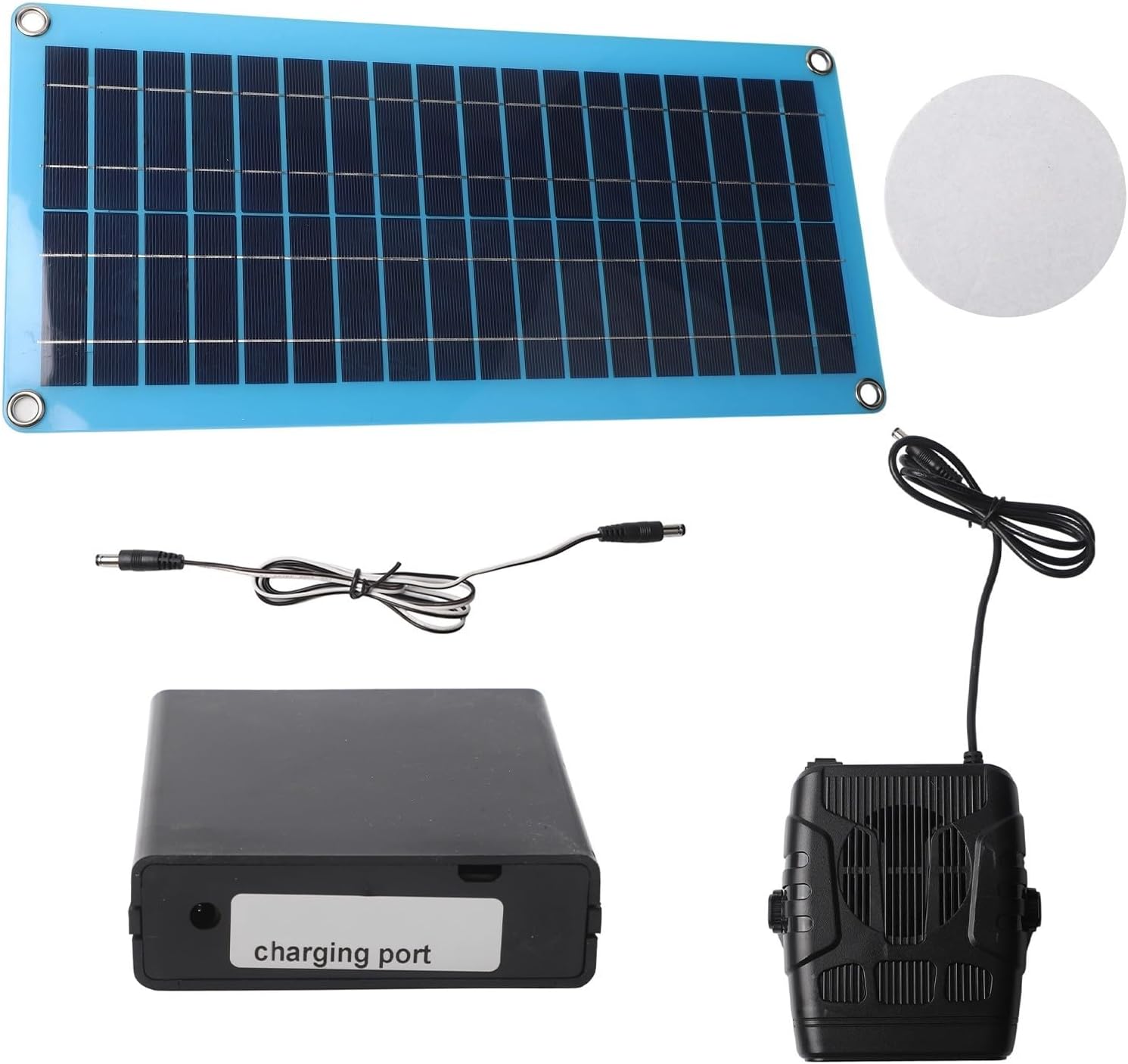
YobiLife Solar Heater Kit
Panel, battery and a small fan-heater so warmth keeps flowing after sundown, best in a small insulated house.
What we like
- Warmth past sundown
- Genuinely off-grid
The catches
- Modest output, small houses
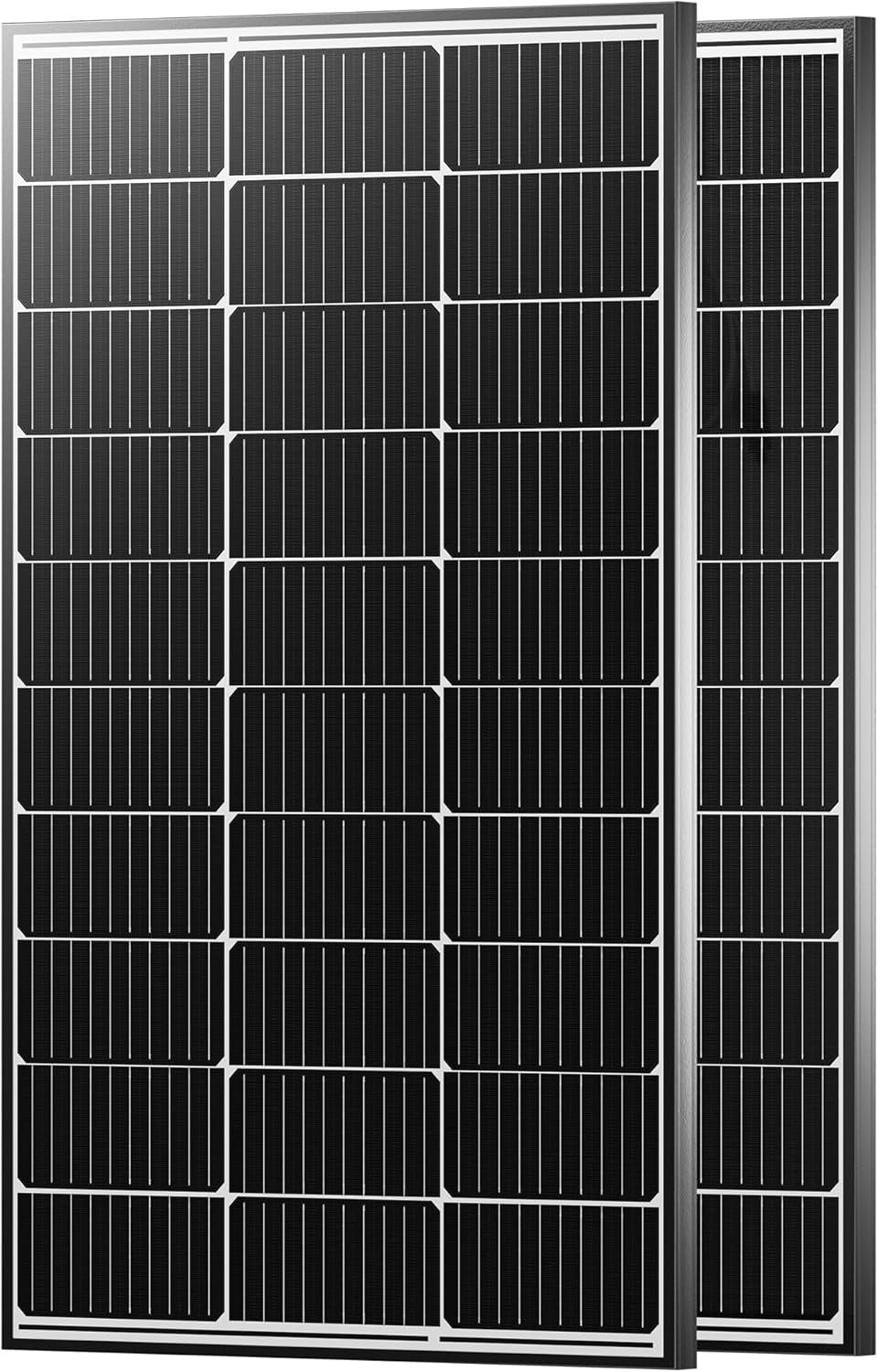
JJN 100W Solar Panel Kit
Real wattage to run a heated pad through a cold night with a battery, far more headroom than a trickle panel.
What we like
- Real cold-night power
- High-efficiency cells
The catches
- Needs a battery + controller
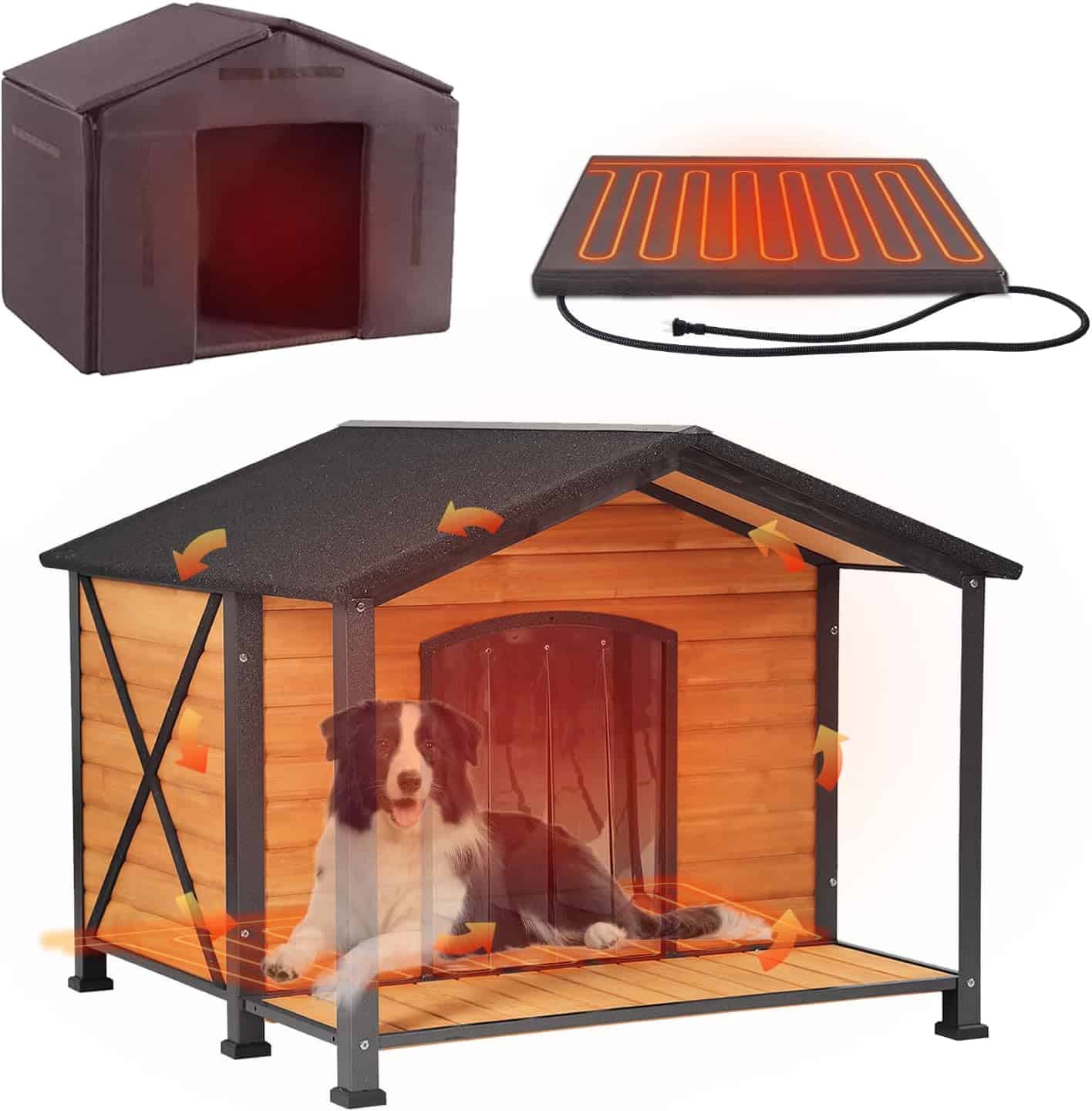
Aivituvin Heated Wood House
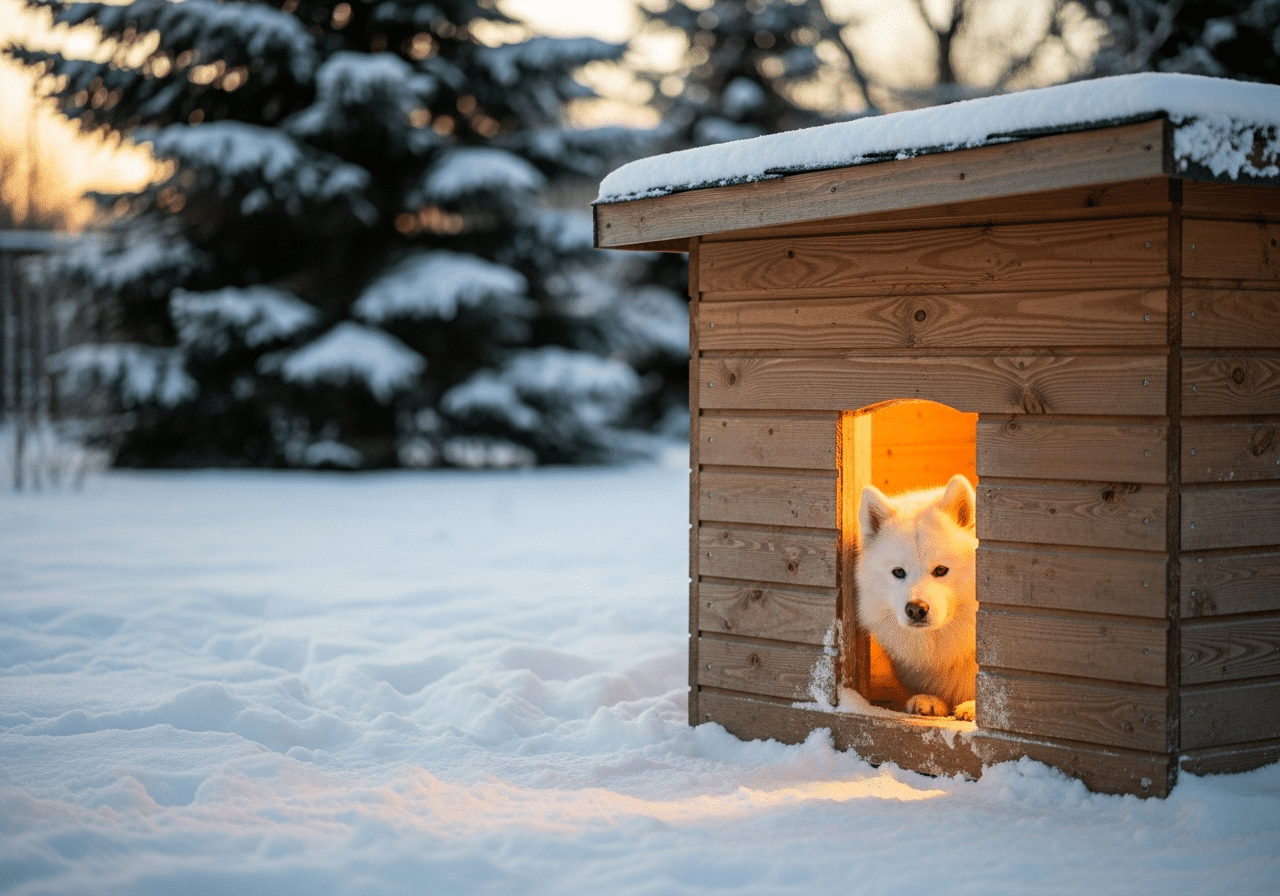
Fir wood with a heating pad, insulated liner and a covered porch, our top heated wood pick.
What we like
- Real winter warmth
- Chew-proof frame
The catches
- Premium price
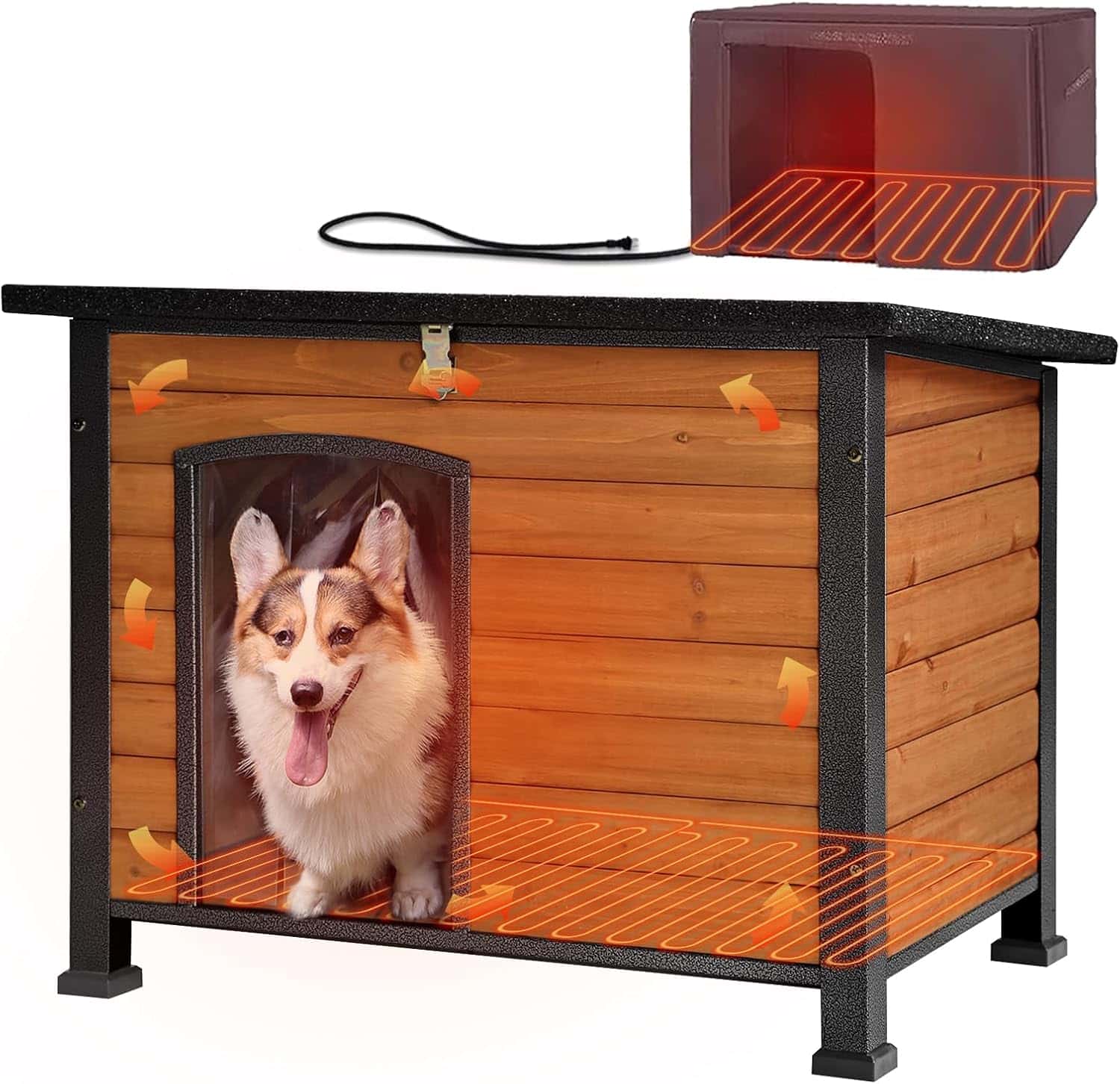
GUTINNEEN Heated House
The same thermostat warmth and chew-proof build as the XL, right-sized and lower-priced.
What we like
- Value heated house
The catches
- Smaller than XL
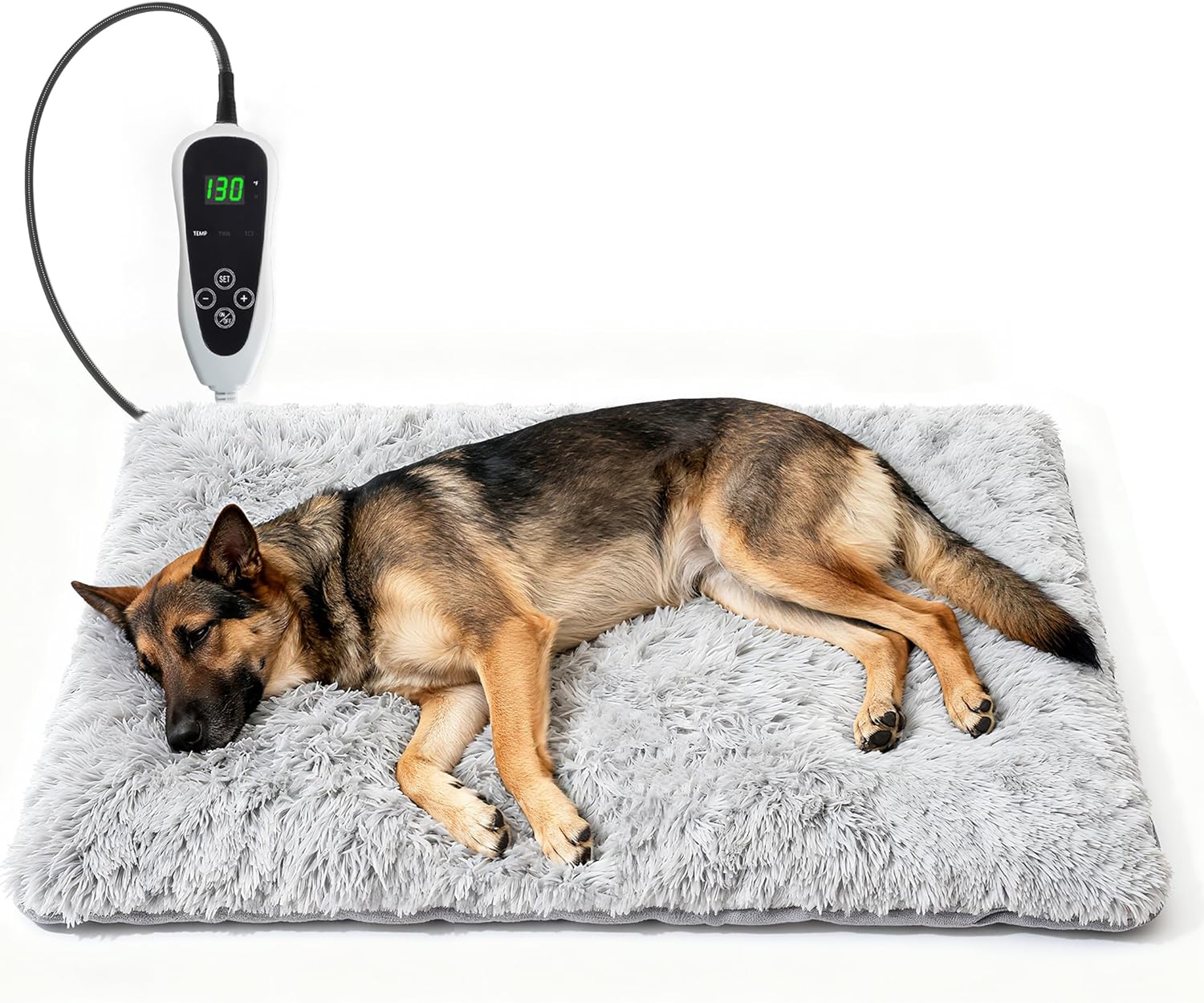
GOLOPET Heated Pad
A thermostat-controlled heated pad that turns any insulated house into a heated one for pennies a day.
What we like
- Cheapest heated route
- Prevents overheating
The catches
- Needs an outlet
Both solar and electric heated dog houses keep a dog warm, the right one for you comes down to your yard, not the spec sheet. This isn’t another side-by-side overview; it’s a decision tree. Work through four yes/no questions in order, do you have an outlet within reach, how cold does it actually get, is the spot off-grid, and what’s your budget, and the answer falls out. Start with the matrix below for the fast version, then walk each question to confirm your pick.
The 30-second decision matrix
Read down the questions and follow your answers. Most owners get a clear verdict from the first two rows alone; the rest are tie-breakers.
| Ask yourself… | If YES | If NO |
|---|---|---|
| 1. Is there a weatherproof outlet within ~50 ft of the spot? | Electric is on the table (cheapest, strongest heat) | Lean solar, no trenching or extension cords |
| 2. Do winters drop well below freezing for days at a time? | Favour electric (constant, thermostat-held heat) | Solar comfortably covers mild-to-moderate cold |
| 3. Is the location off-grid (acreage, far corner, no power)? | Solar wins by default | Either works, decide on cost & climate |
| 4. Do you want the lowest running cost over the years? | Solar (near-zero to run after purchase) | Electric (lower upfront, you pay the power bill) |
If your answers cluster on the left, you’re an electric buyer. If they cluster right, no outlet, mild winters, off-grid, lowest long-run cost, you’re a solar buyer. The sections below explain why each question matters so you can buy with confidence.
Question 1. Do you have an outlet?
This is the single biggest fork in the road, so answer it first. An electric heated dog house needs a weatherproof power source within reach, ideally a GFCI-protected exterior outlet, run through an outdoor-rated cord or buried conduit. If you have that, electric is the simplest, most powerful heat you can buy.
If the spot is across the yard with no nearby outlet, you’re looking at trenching a cable, stringing an extension cord across a lawn (a trip and chew hazard), or hiring an electrician, costs and headaches that often erase electric’s price advantage. Solar sidesteps all of it: the panel and battery live on the house, so there’s nothing to plug in.
Question 2. How cold does it really get?
Match the heat source to your actual winter, not the worst day you can remember. The honest split:
- Mild to moderate cold (rarely below ~20°F): solar handles it well. A well-insulated solar house with a low-watt heated pad keeps a dog comfortable, and a battery carries it through cloudy spells.
- Hard, sustained freezes (single digits / below zero for days): electric is the safer bet. Grid power doesn’t care about cloud cover, so a thermostat can hold a steady temperature through a week-long cold snap.
Solar’s one weakness is a run of dark, snowy days that out-pace what the battery stored, exactly when a dog needs heat most. In a genuinely brutal climate, electric’s constant supply is worth the cord. Whichever you pick, the shelter itself has to do its job first; the Humane Society’s cold-weather pet guidelines are the standard worth meeting before any heater is added.
Question 3. Are you off-grid?
If the dog’s spot has no practical access to mains power, a far paddock, acreage, a rural kennel, a cabin, the decision is basically made: solar. It generates and stores its own power, so it works where no cord can reach. This is solar’s home turf and the situation where it beats electric outright.
If you do have grid access nearby, being “on-grid” doesn’t force you to electric, it just means both options are open, and you decide on the other three questions. Plenty of on-grid owners still choose solar to avoid running cable and to keep the running cost near zero.
Question 4. What’s your budget, upfront vs over time?
Finally, decide which kind of cost you care about more, because solar and electric flip on this.
- Lowest price today: electric usually wins. A heated electric house or a heated pad is cheaper to buy than a panel-plus-battery solar setup.
- Lowest cost over the years: solar wins. After the higher purchase, sunshine is free, there’s little to no power bill, where electric quietly adds to it every cold month.
So the budget question is really “pay less now, or pay less later?” If you’ll keep the house for many winters and want to forget about it, solar’s long-run economics are appealing. If upfront cash is tight, electric gets a dog warm tonight for less. We break the numbers down in our running-cost comparison.
Putting it together: your verdict
Tally your four answers and the buyer profile is usually obvious:
| You’re a SOLAR buyer if… | You’re an ELECTRIC buyer if… |
|---|---|
| No outlet near the spot | A weatherproof outlet is within reach |
| Mild to moderate winters | Hard, sustained sub-freezing winters |
| Off-grid location | On-grid, power is easy |
| Want the lowest long-run cost | Want the lowest upfront price |
Split down the middle? Let Question 1 break the tie, access to power is the most practical, hardest-to-change factor. From there, shop the matching shortlist: our solar heated dog houses guide picks the best options by dog size and climate, with the electric line-up in the related guides below.