 Dog Gear, Sized Right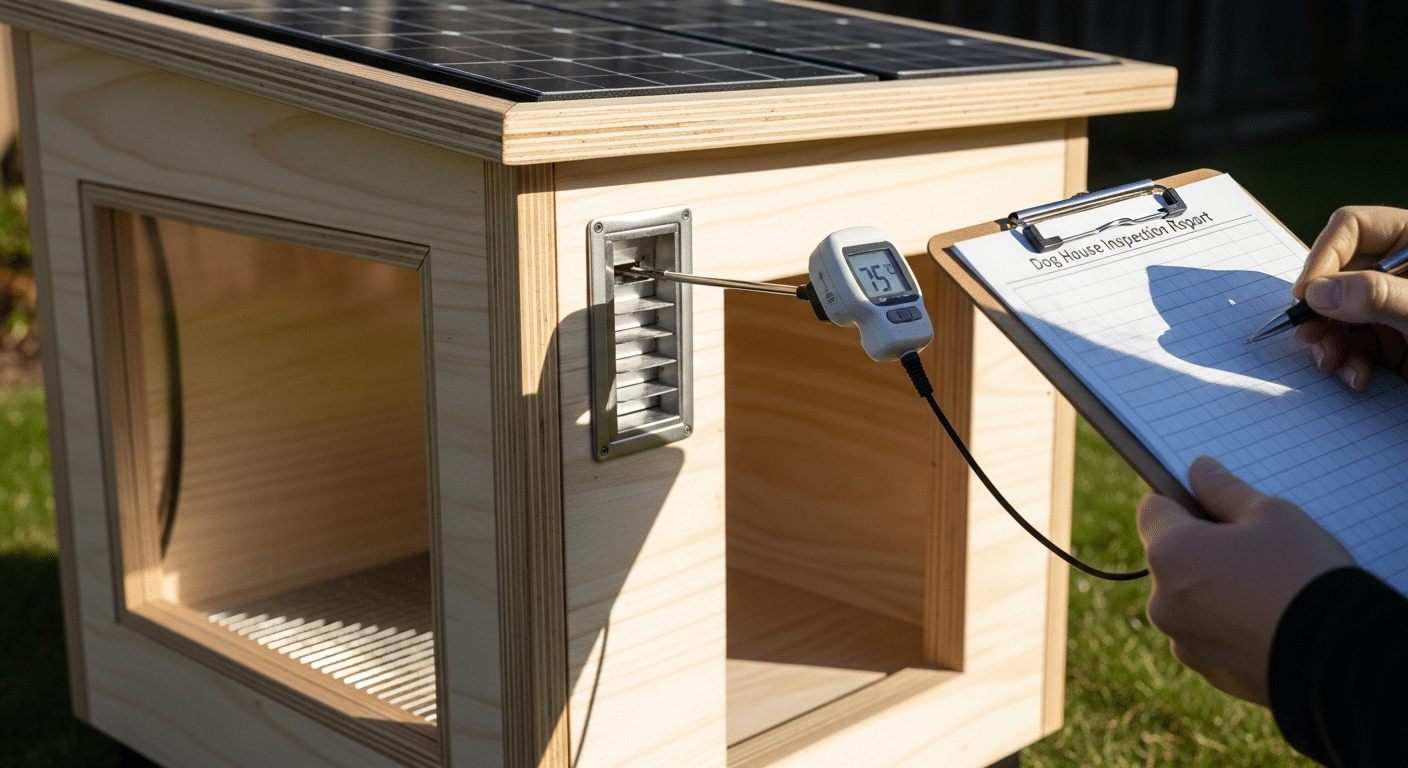
Solar Heated Dog Houses: Real-World Tested Picks
We put solar heating gear through real overnight cold tests, then graded it. Here’s exactly how we test — and the picks that actually held heat.
Our Tested Solar Heated Dog House Picks
Each pick is verified in stock. Prices are last-checked — tap through for the live price.
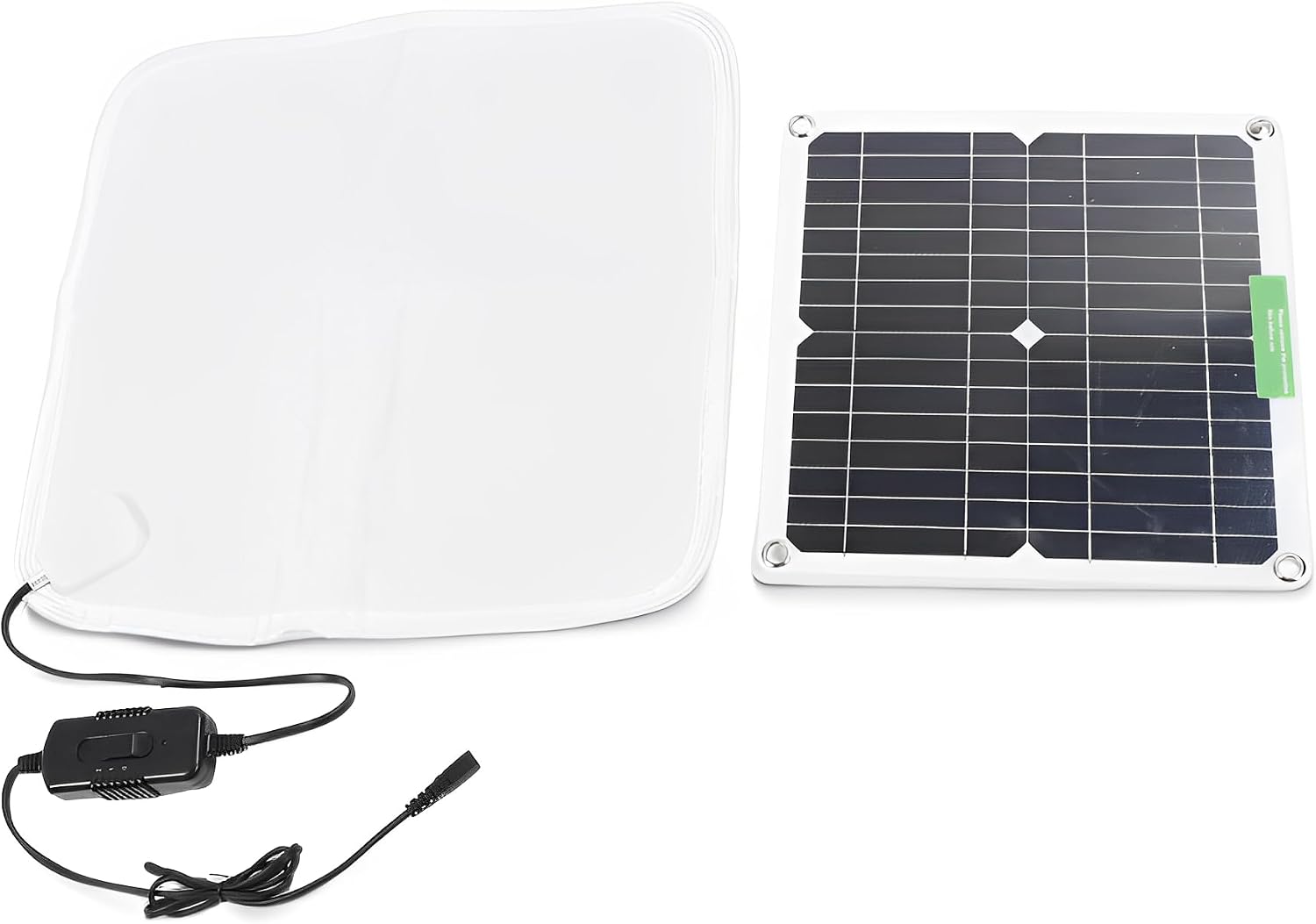
LICAEVEY Solar Heating Pad
A low-voltage heated pad with an included solar panel — the most direct, efficient way to add solar warmth.
What we like
- Safest low-voltage option
- Sips power
The catches
- Pad warmth only — pair with insulation
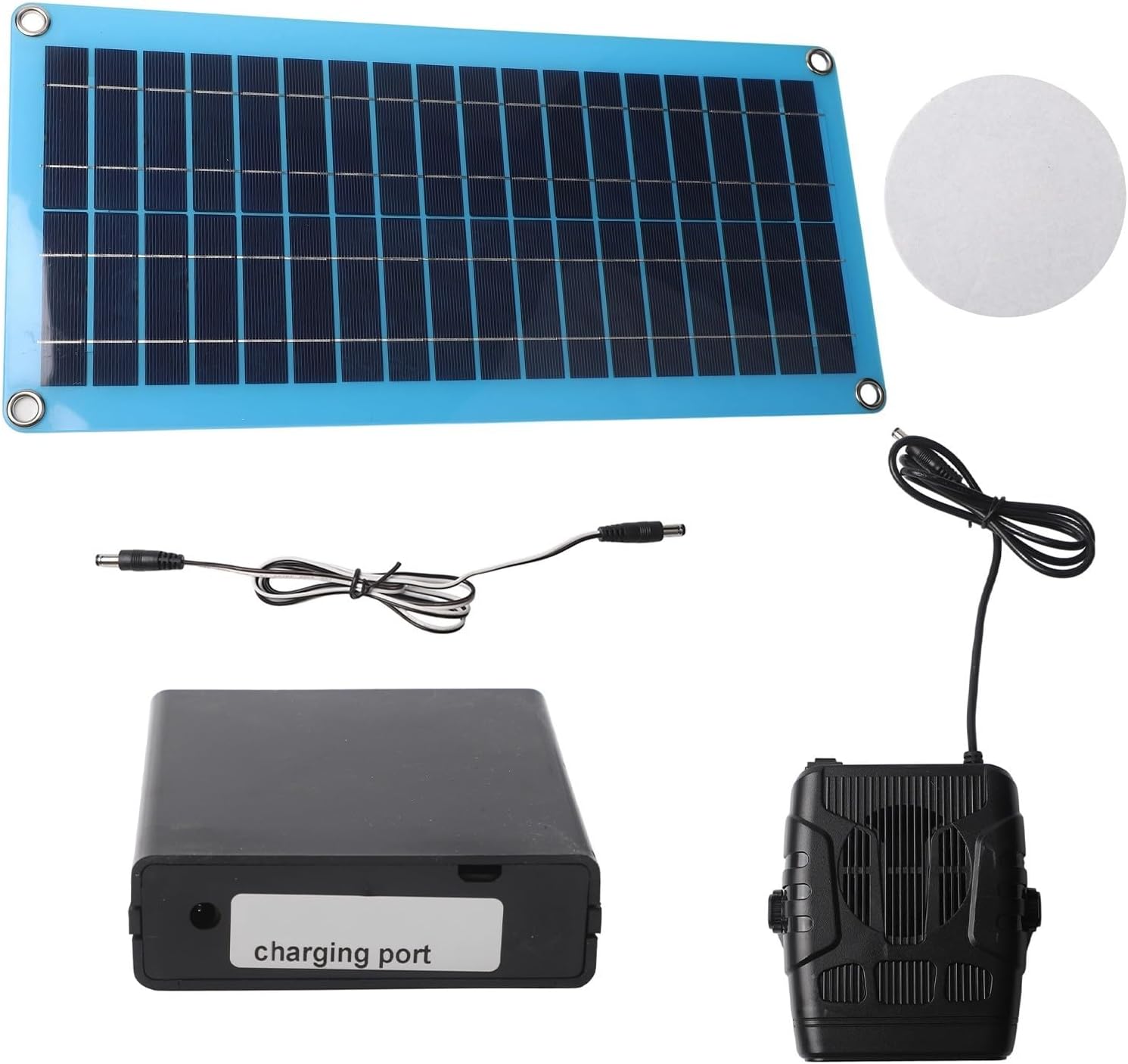
YobiLife Solar Heater Kit
Panel, battery and a small fan-heater so warmth keeps flowing after sundown — best in a small insulated house.
What we like
- Warmth past sundown
- Genuinely off-grid
The catches
- Modest output — small houses
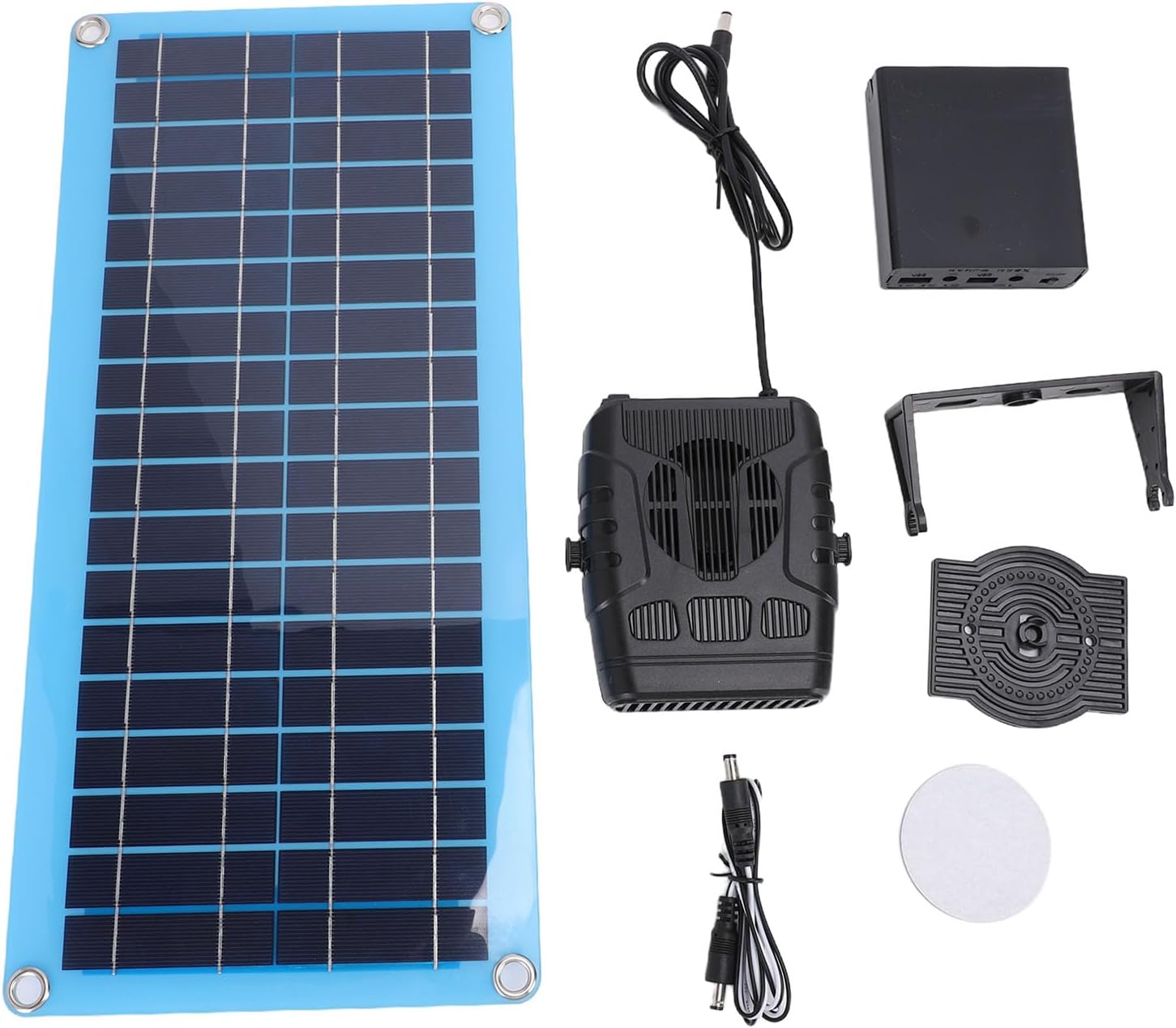
Denash 30W Solar Heater
A higher-wattage solar fan-heater kit for more warmth and airflow than the entry units.
What we like
- More output
- Summer airflow too
The catches
- Stock moves fast
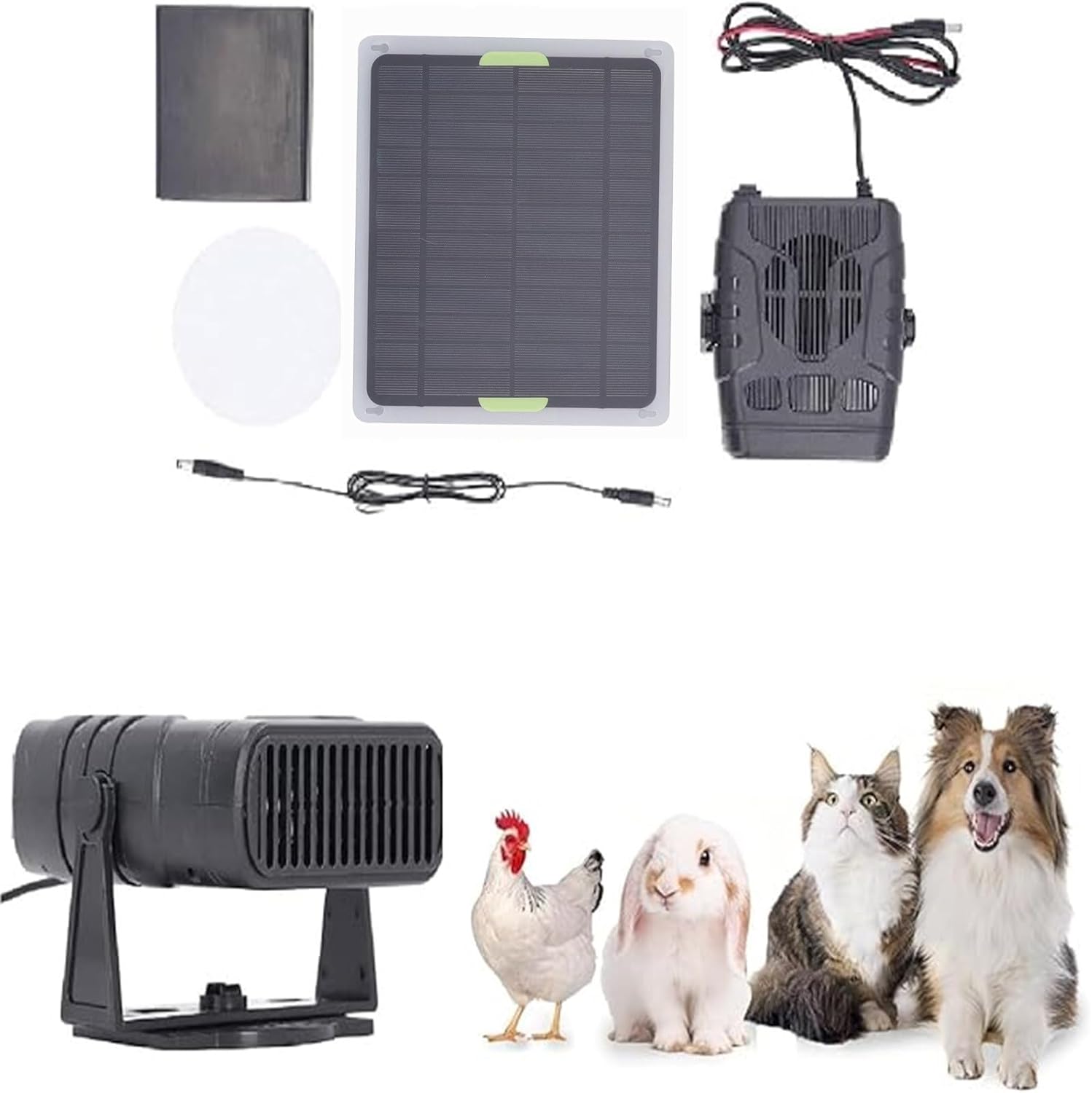
Budget Solar Heater
The cheapest way to add a little solar warmth — fine for mild climates and a small insulated house.
What we like
- Lowest-cost solar heat
The catches
- Mild climates only
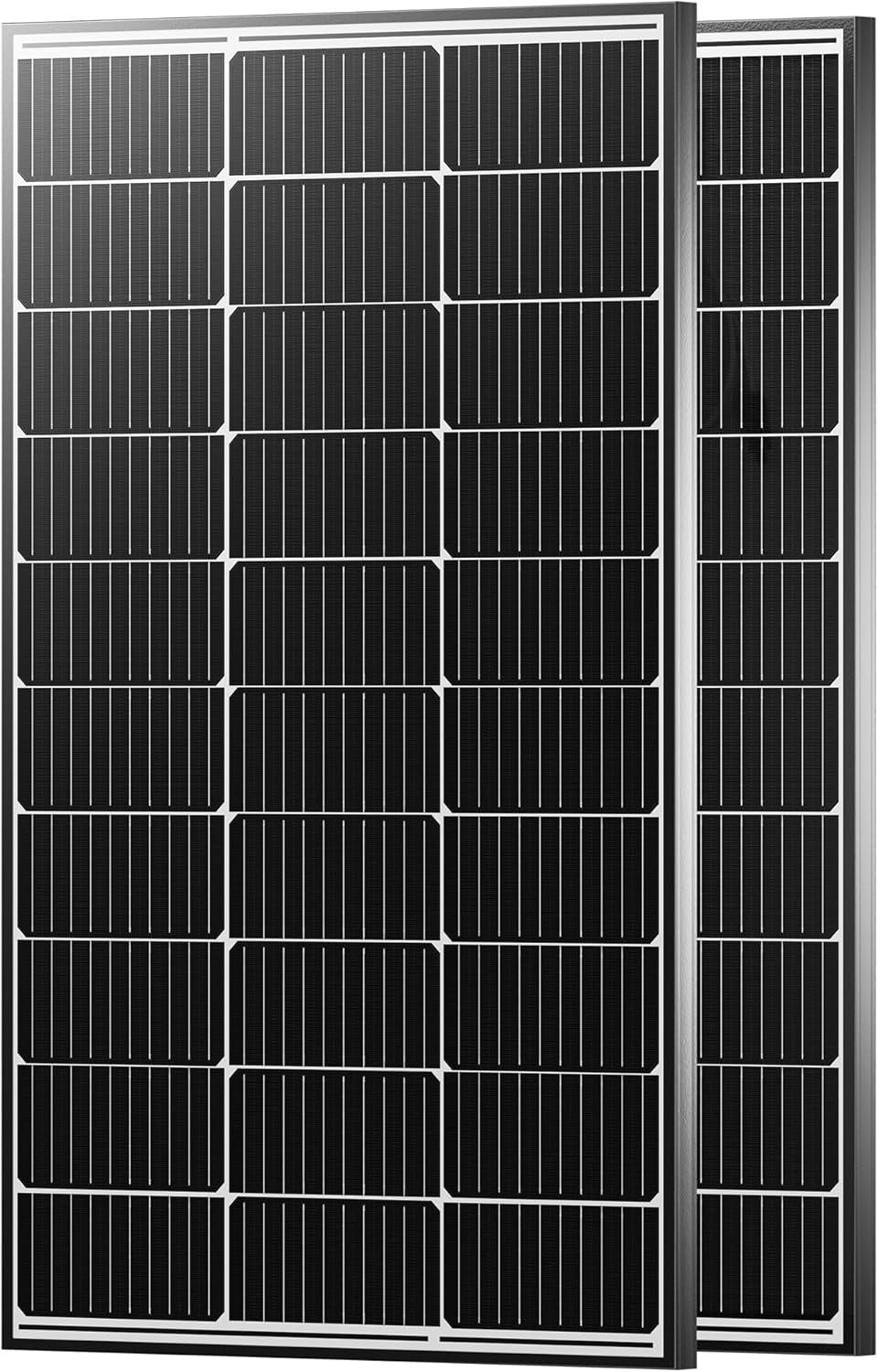
JJN 100W Solar Panel Kit
Real wattage to run a heated pad through a cold night with a battery — far more headroom than a trickle panel.
What we like
- Real cold-night power
- High-efficiency cells
The catches
- Needs a battery + controller
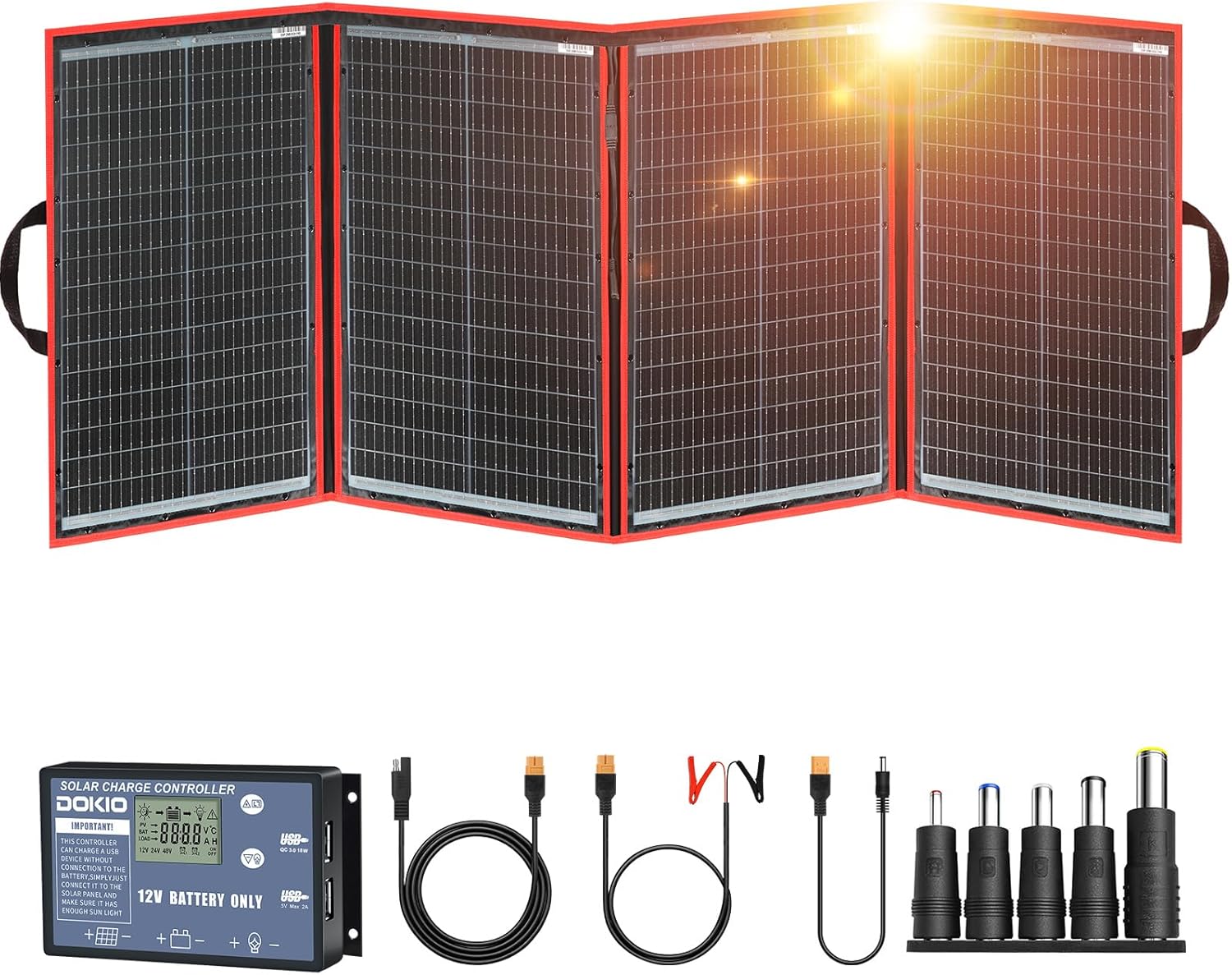
DOKIO 200W Foldable Panel
A foldable 200W panel that packs away — great if you can’t roof-mount and want to reposition for winter sun.
What we like
- Reposition for low sun
- Packs flat
The catches
- Pricier per watt
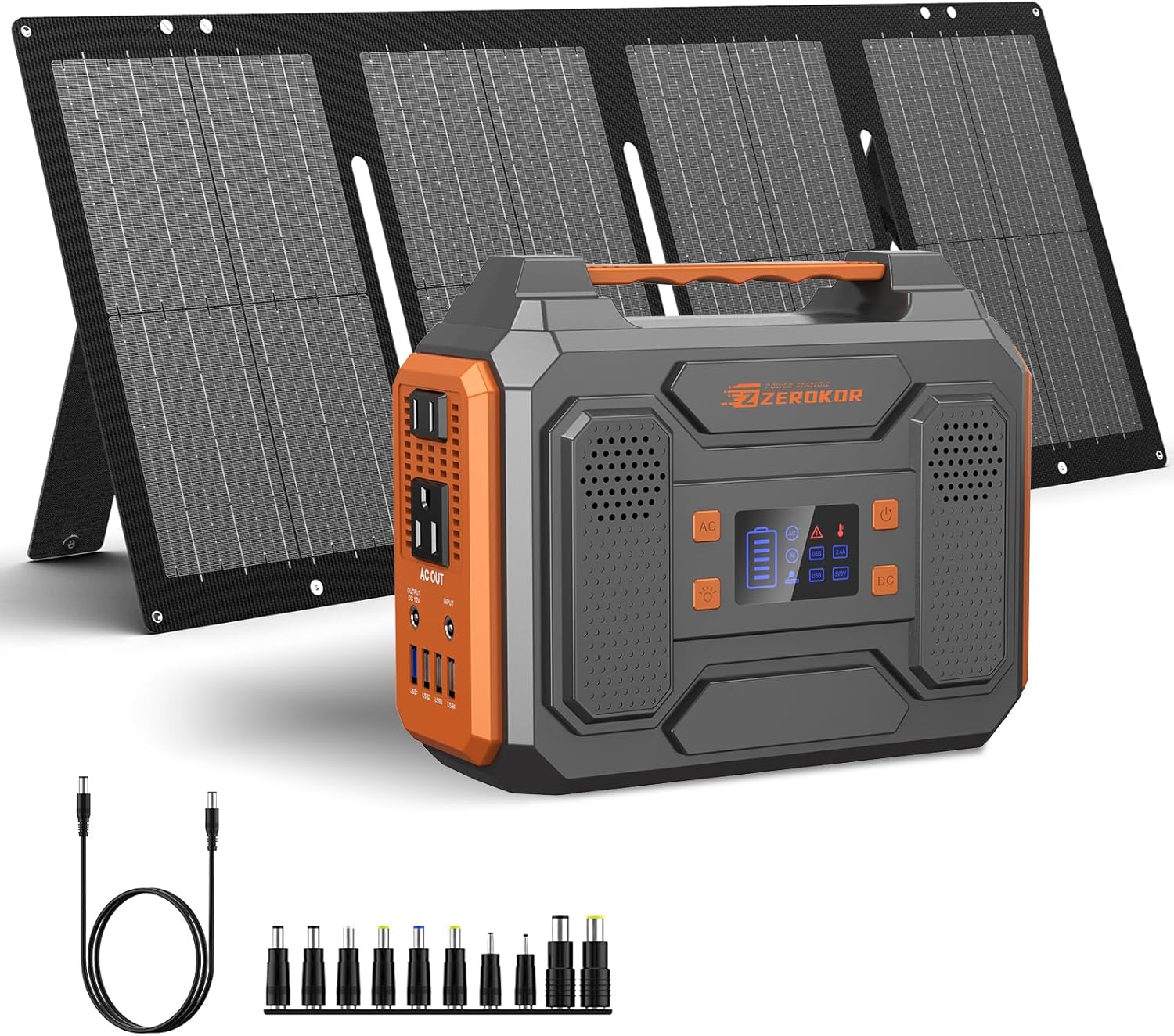
Portable Solar Generator (300W)
A power station banks the day’s solar so a heated pad runs reliably overnight — the dependable off-grid core.
What we like
- Reliable overnight run-time
- Powers other gear
The catches
- Adds cost
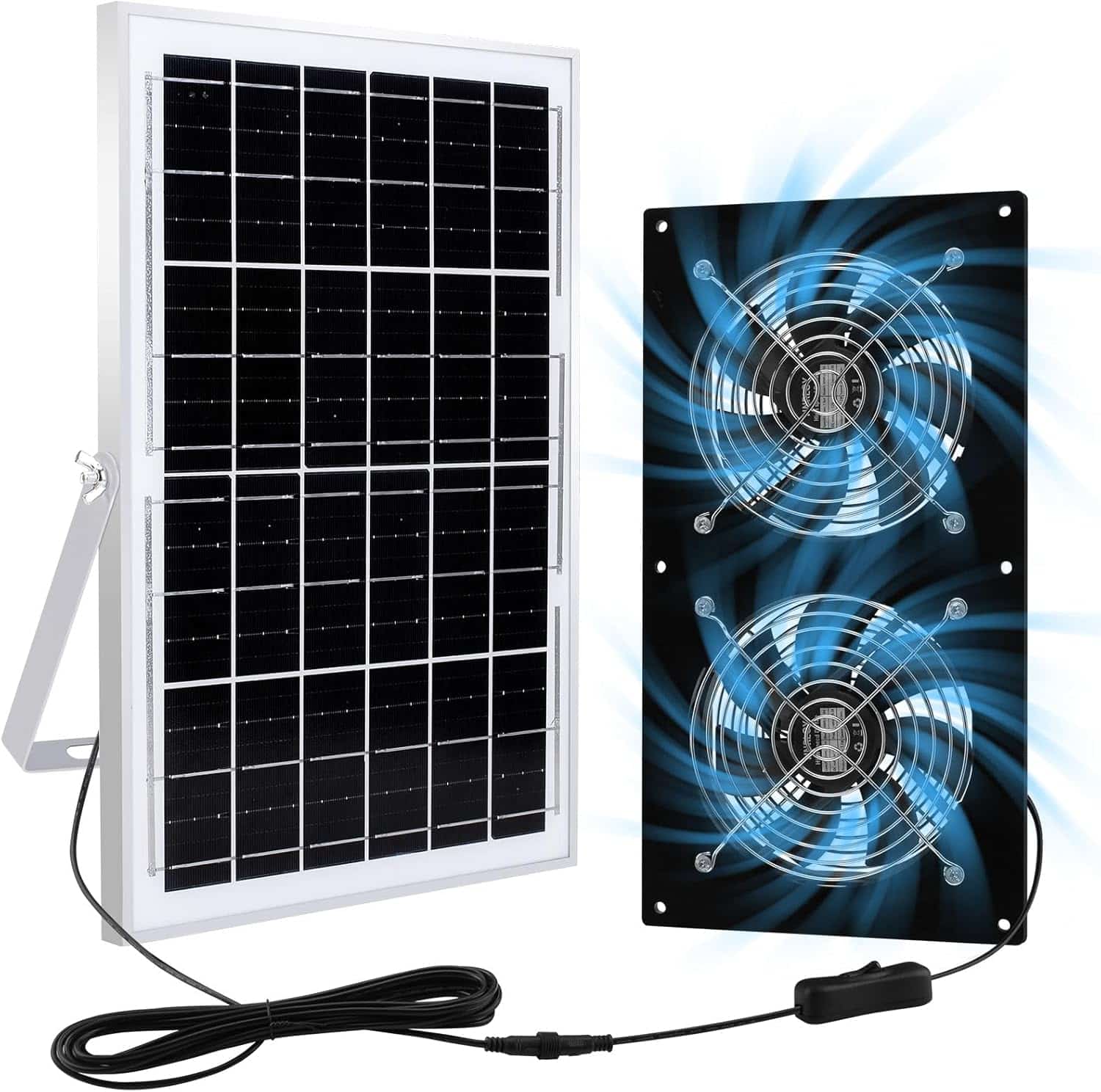
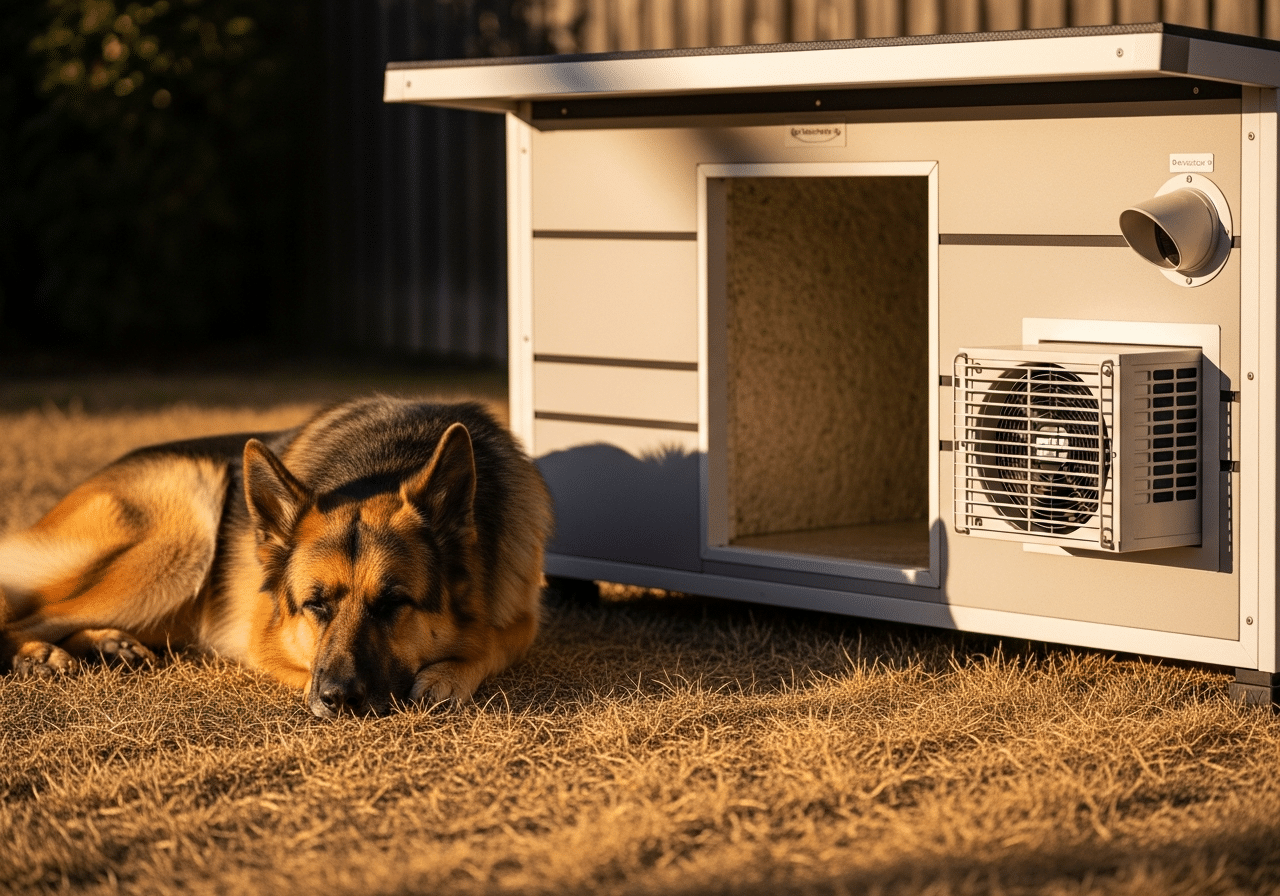
Solar Exhaust Fan
Bolt-on dual solar fans pull hot air out in summer — the same solar setup that warms in winter cools in summer.
What we like
- Off-grid airflow
- Fits any house
The catches
- Airflow only
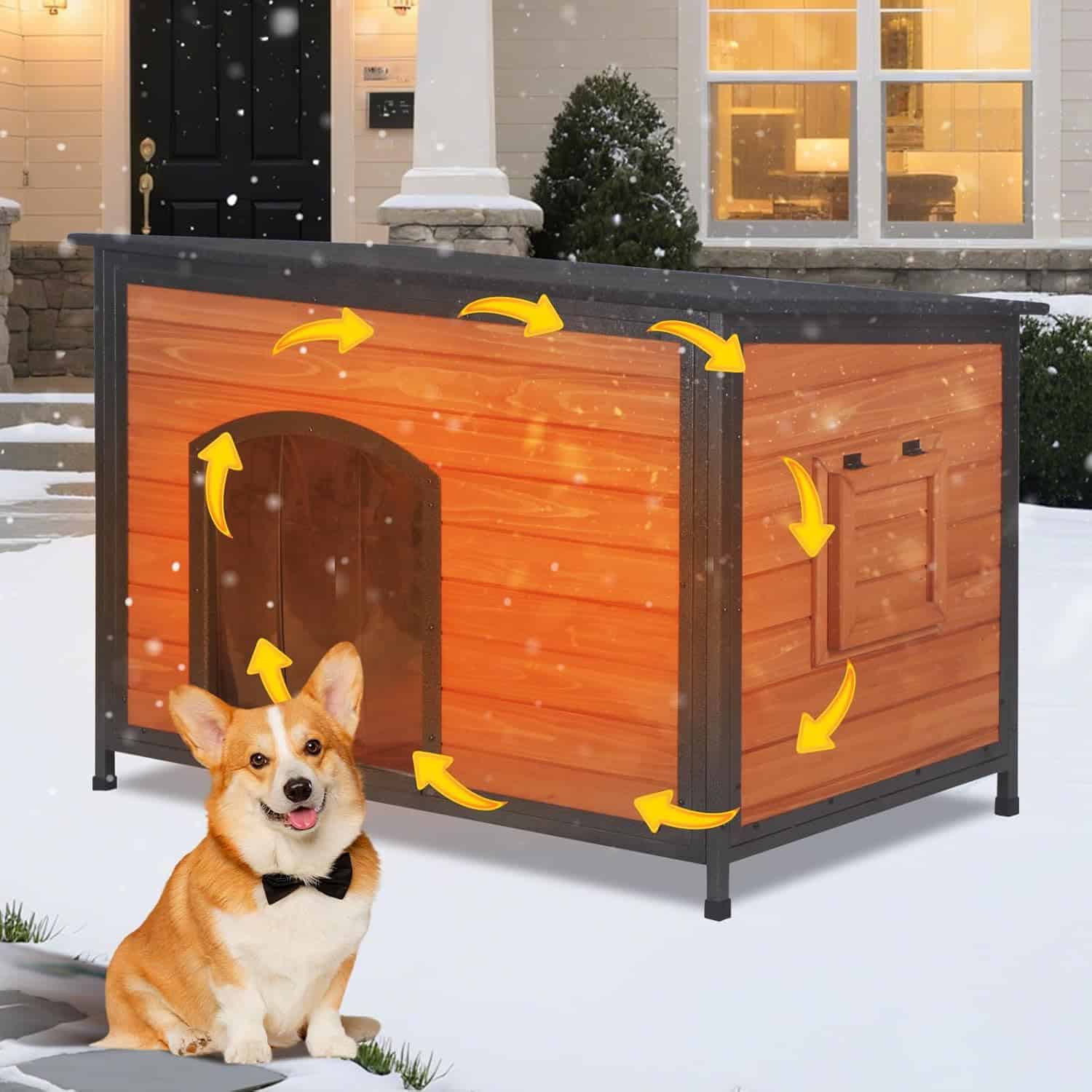
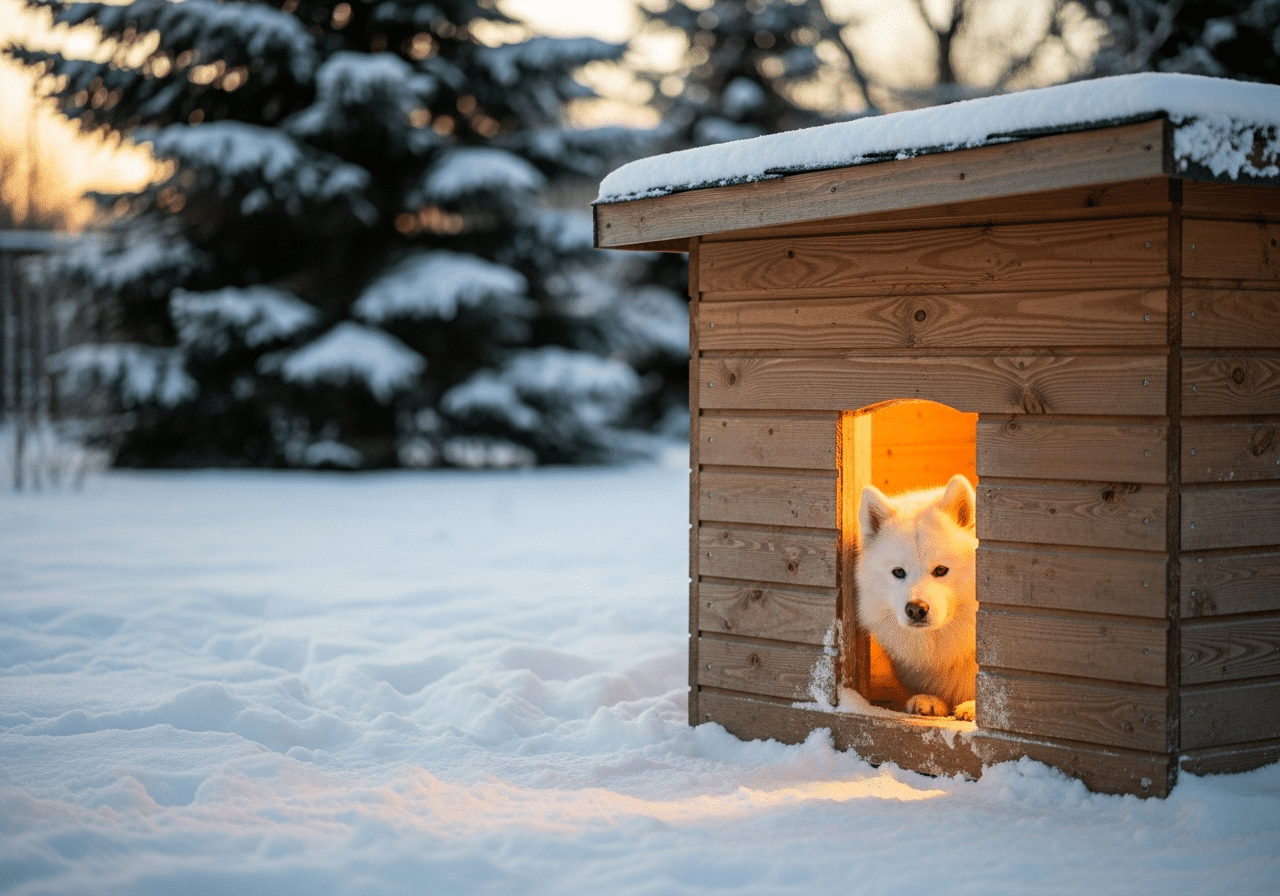
Insulated Wooden Dog House
Solar heat is wasted on a draughty box. This insulated, raised, flap-doored house holds the warmth in.
What we like
- Makes heat count
- Weatherproof base
The catches
- Some assembly
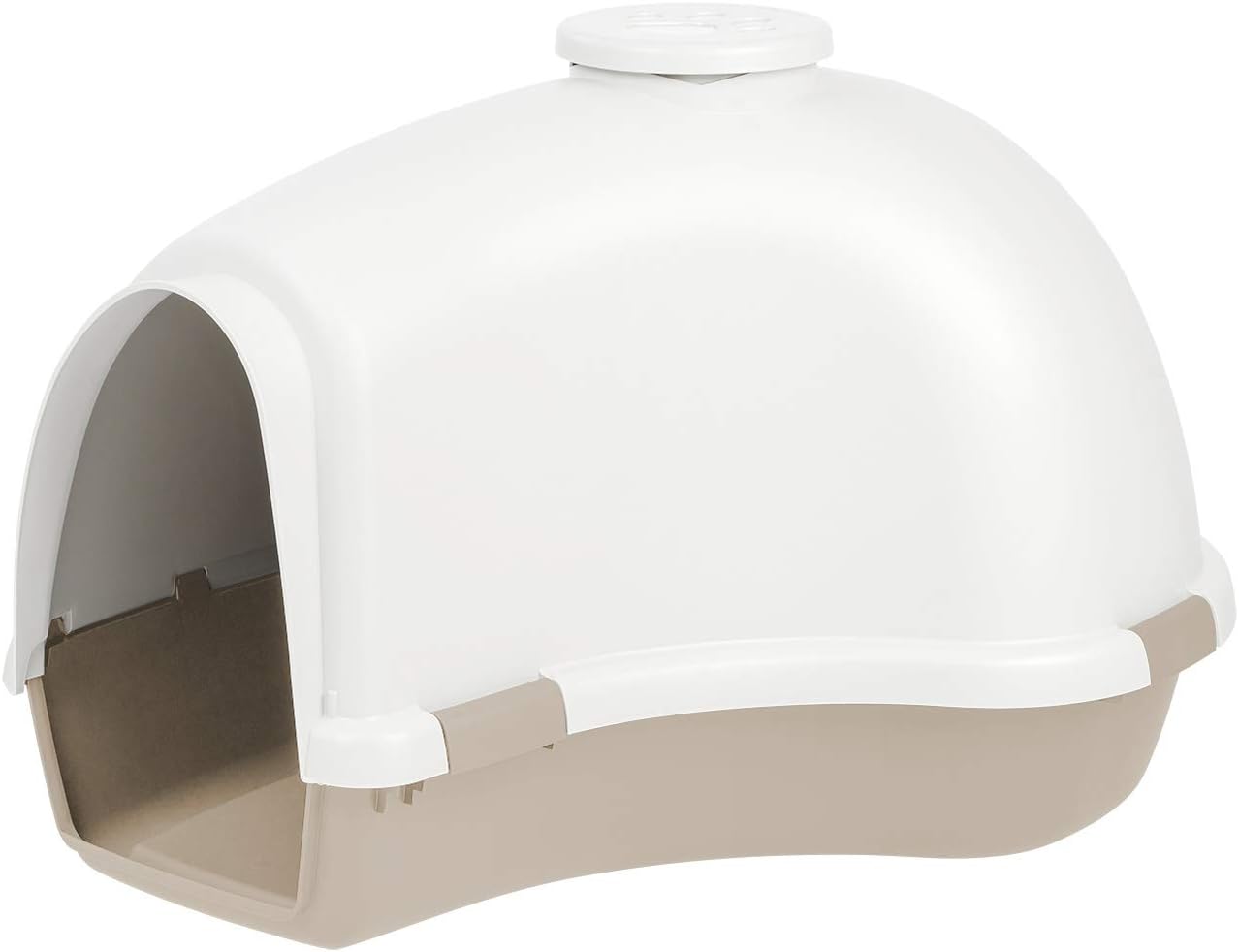
IRIS USA Igloo
The igloo’s dome traps a small pad’s warmth and deflects wind — the best-value home for a pad.
What we like
- Holds heat well
- Great value
The catches
- Small–medium dogs
Most solar heated dog house reviews just re-list spec sheets. Ours start outside, overnight, with a thermometer. We rig each setup the way an owner actually would — a 12V panel feeding a battery and a low-watt heated pad — then measure how warm it kept the inside through cold, cloudy, real-world nights. This page lays out our testing methodology in plain language and shares the tested recommendations that passed, so you can buy the components we’d trust rather than guess from marketing copy.
How we test solar heated dog houses
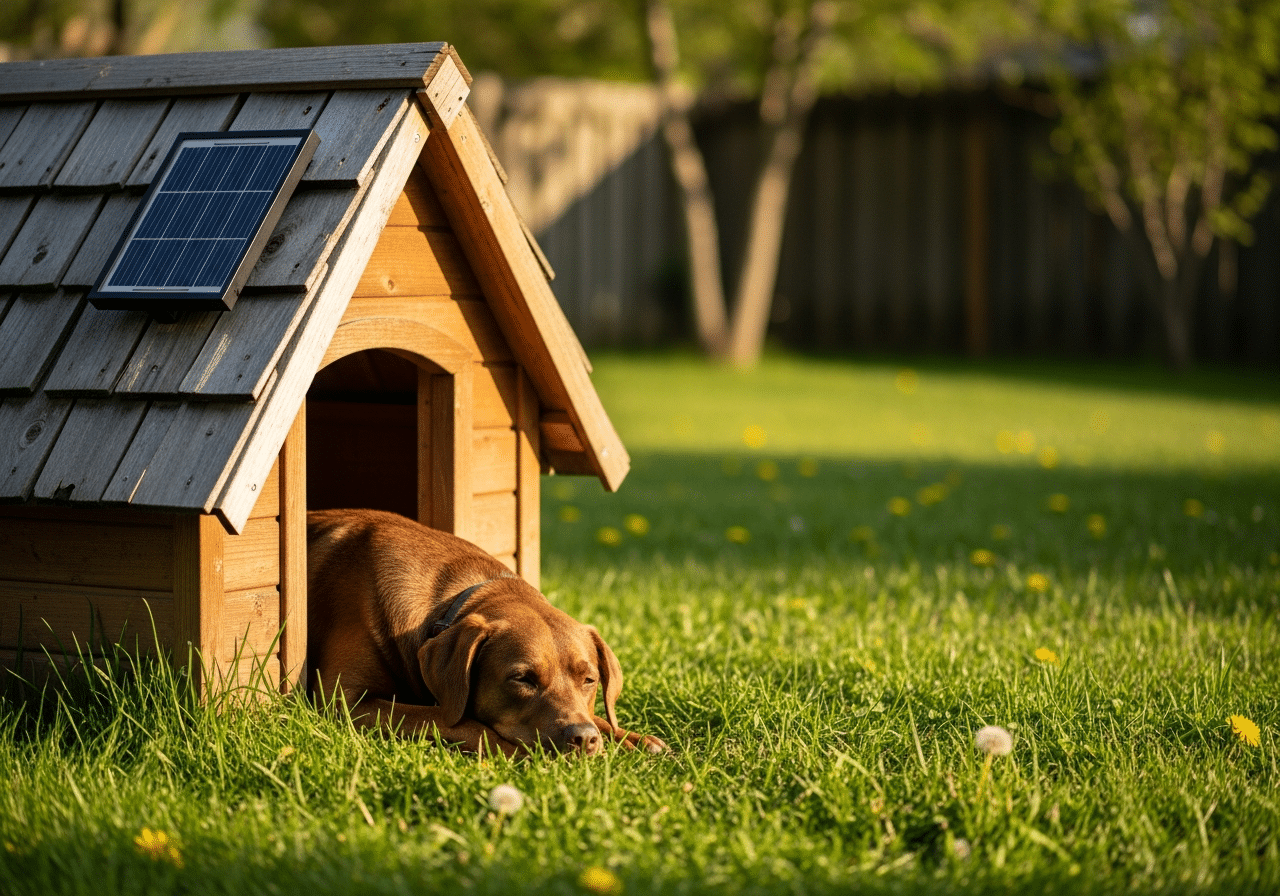
A solar heated dog house isn’t one product — it’s a system: a solar panel charges a 12V deep-cycle battery, a charge controller protects it, and that battery powers a low-watt heated pad or resistive heater inside an insulated, raised shelter. Because the weak link can hide anywhere in that chain, we test the whole system together, not the parts in isolation.
Every product on our solar shortlist is scored against the same five criteria, weighted by what keeps a dog safe and warm:
- Real overnight heat hold (35%): we log inside temperature through a cold night and a cloudy day, watching whether the battery carries the pad until sunrise. A pad that quits at 3 a.m. fails here no matter its wattage rating.
- Insulation & build (25%): rigid foam in the walls, floor and roof, a raised base off cold ground, and an offset or flapped doorway. Heat you don’t lose is heat the panel doesn’t have to replace.
- Safety (20%): low-voltage 12V DC, chew-resistant cord conduit or steel shielding, pet-safe pad surfaces, and an overheat or thermostat cutoff. Anything a dog can gnaw to bare wire is disqualified.
- Sizing & fit (10%): whether the panel wattage is honestly matched to the heating load, and whether the shelter suits little and large breeds without leaving a big dog cramped or a small dog in a cavern it can’t warm.
- Value & durability (10%): weatherproofing of the panel and housing, and whether the price reflects parts that survive a few winters outdoors.
We anchor our heat targets to published cold-safety thresholds so the grading reflects real risk, not vibes.
The temperature thresholds we grade against
Heat output only means something against the cold a dog actually faces. We use the same thresholds vets and shelters cite, and we expect a passing solar setup to keep the inside comfortably above them:
| Outside temperature | Risk to the dog | What a passing solar house must do |
|---|---|---|
| Around 45°F | Caution for small, senior or thin-coated dogs | Hold a mild, draft-free interior; pad optional |
| 32°F (freezing) | Hypothermia risk on a long exposure | Pad on; inside stays clearly above freezing overnight |
| 20°F and below | Life-threatening for most breeds | Insulation + pad + battery hold heat till sunrise, or it fails |
Bedding is part of the test, too: we use deep straw, which insulates and sheds moisture, and we never grade on blankets — they trap damp, freeze, and pull heat away from the dog. The science behind storing daytime sun as usable heat is well documented by the U.S. Department of Energy’s guide to active solar heating, and it’s the same principle our 12V panel-and-battery setups rely on after dark.
Tested recommendations: what passed
Here’s the shortlist that cleared our overnight cold tests, organised by the job each component does in the system. These are the parts we’d actually wire into a solar dog house — not a list padded out to hit a round number.
| Tested pick | Best for | Why it passed our test |
|---|---|---|
| Licaevey solar heating pad | Off-grid pad-only setups | Held a steady, low-voltage warmth on battery overnight; pet-safe surface and sensible draw. Read the full review → |
| Yobilife solar dog house heater | Adding heat to an existing house | Bolt-on solar heater that carried mild-to-moderate cold without a mains cord. Read the full review → |
| Insulated wooden shelter + 100W panel | Cold-climate, larger breeds | Rigid-foam walls and a raised base let a modest pad hold heat to sunrise — insulation did the heavy lifting |
| Compact insulated house + heated pad | Small & senior dogs | Right-sized so a small dog’s body heat plus a low-watt pad warmed the space fast and kept it warm |
The pattern across every winner is the same: insulation and honest sizing matter more than headline wattage. Two of these passed because the shelter barely lost heat in the first place. For the complete, regularly updated line-up sorted by dog size and climate, see our best solar heated dog houses guide — these reviews feed straight into it.
Where solar setups fail our test
Knowing what flunks is as useful as the picks. The most common failure in our solar heated dog house reviews isn’t a dead panel — it’s a chain that breaks somewhere quieter:
- Undersized panel or battery: a 400W heater bragged on the box means nothing if the panel can’t recharge what it draws. Output collapses after a cloudy day, exactly when heat is needed.
- The biggest disadvantage of solar heating: it’s weather-dependent. A run of dark, snowy days can out-pace what the battery stored. Honest products oversize the battery; weak ones leave a dog cold at dawn.
- Thin or uninsulated walls: heat the dog generates and the pad adds leaks straight out, so the system runs flat out and still loses.
- Exposed cords: any wiring a dog can reach and chew is an automatic fail on safety, regardless of how warm the setup ran.