 Dog Gear, Sized Right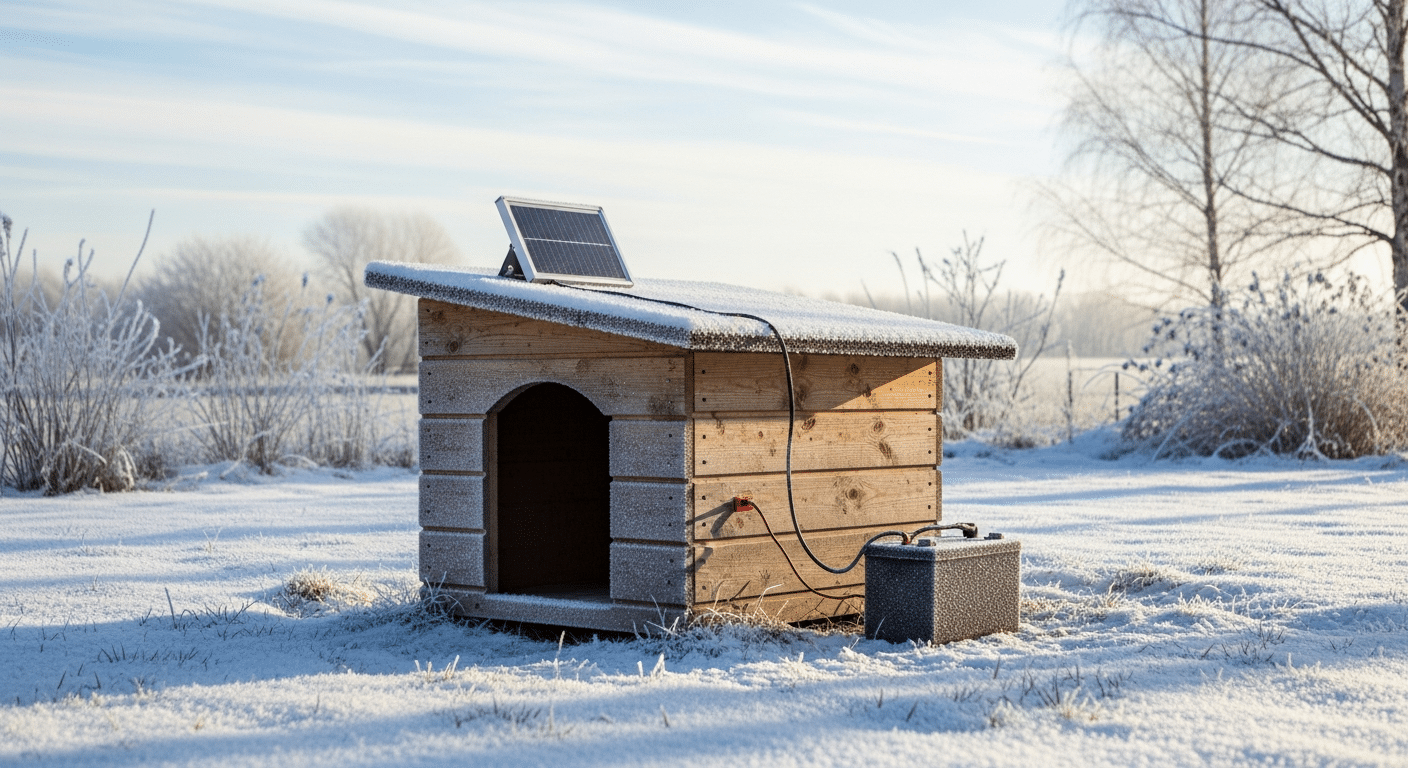
Best Solar-Powered Dog Houses for Cold Weather
Not every solar setup survives a real winter. Here’s how to pick a solar-powered dog house that actually keeps a dog warm when it’s freezing — and the cold-weather features that separate the good from the gimmicks.
The Best Solar-Powered Gear for Cold Weather
Each pick is verified in stock. Prices are last-checked — tap through for the live price.
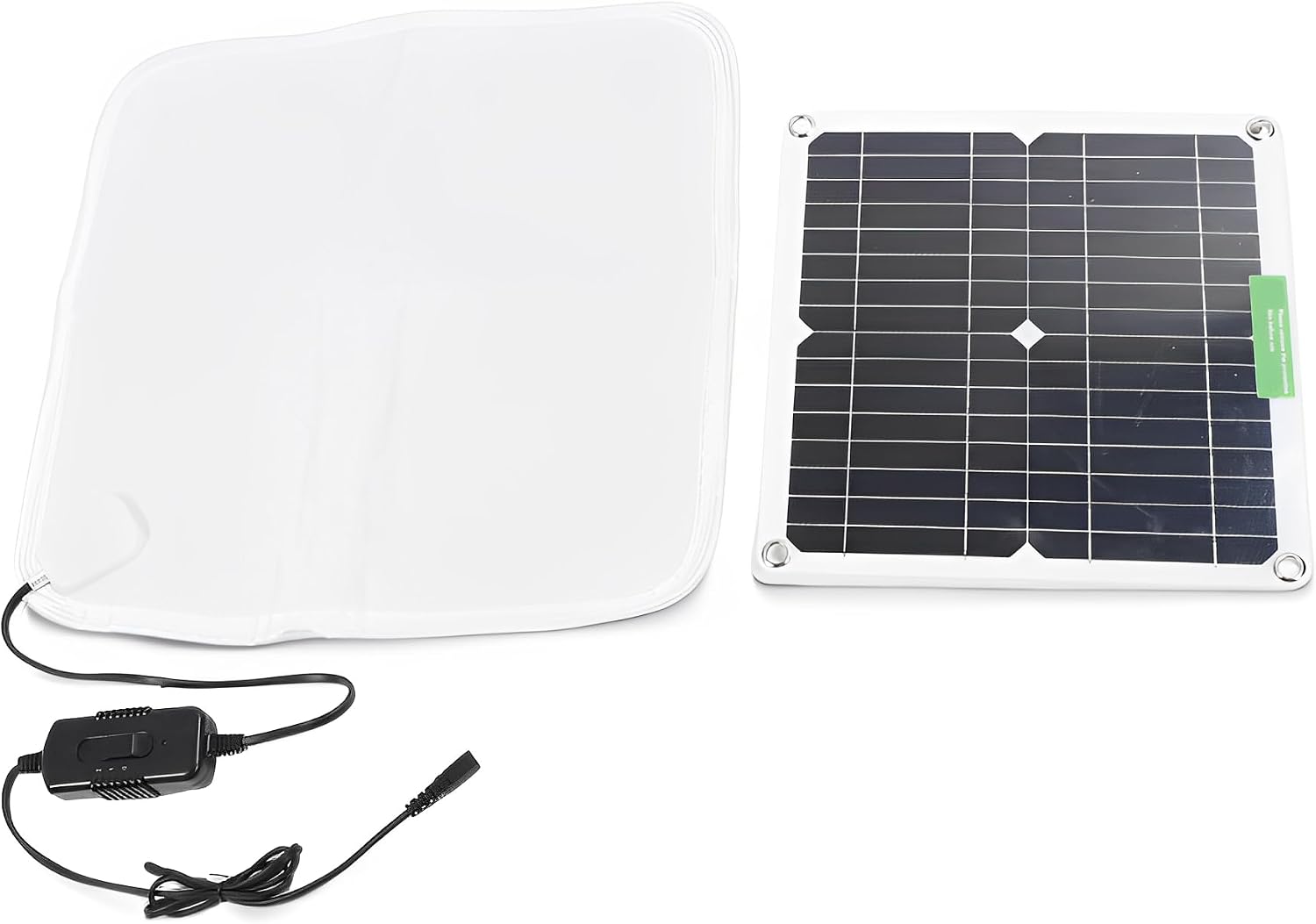
LICAEVEY Solar Heating Pad
A low-voltage heated pad with an included solar panel — the most direct, efficient way to add solar warmth.
What we like
- Safest low-voltage option
- Sips power
The catches
- Pad warmth only — pair with insulation
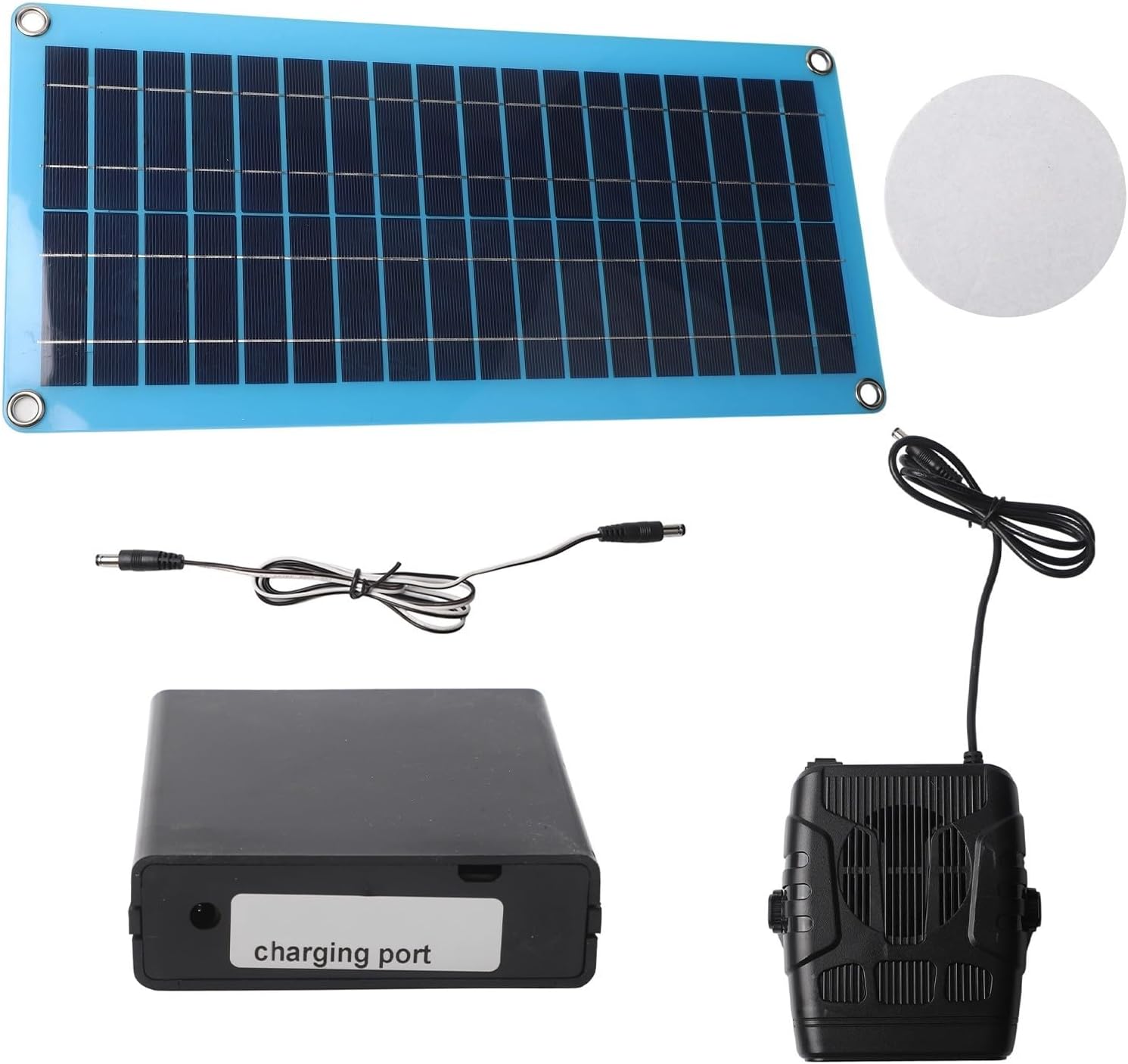
YobiLife Solar Heater Kit
Panel, battery and a small fan-heater so warmth keeps flowing after sundown — best in a small insulated house.
What we like
- Warmth past sundown
- Genuinely off-grid
The catches
- Modest output — small houses
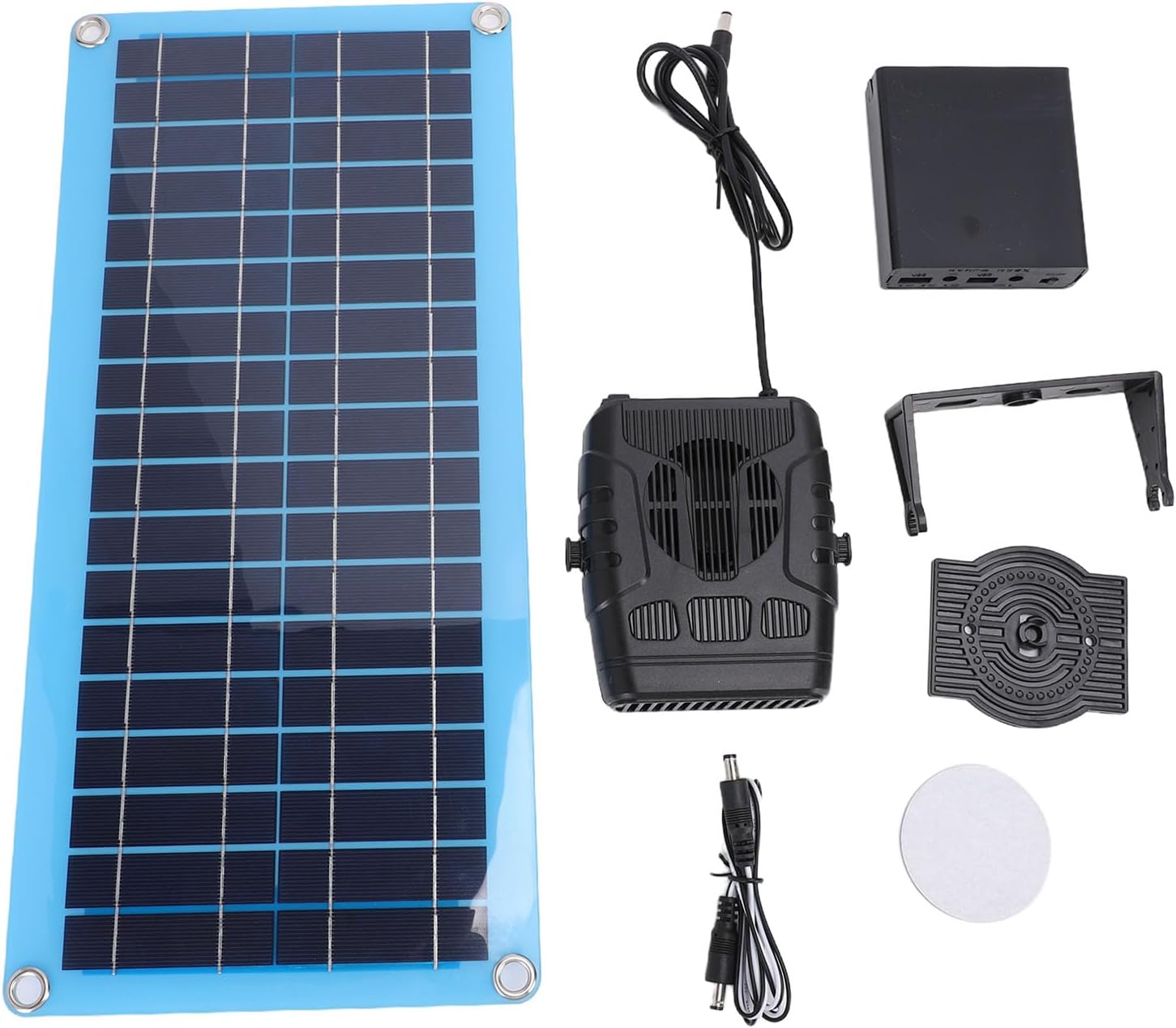
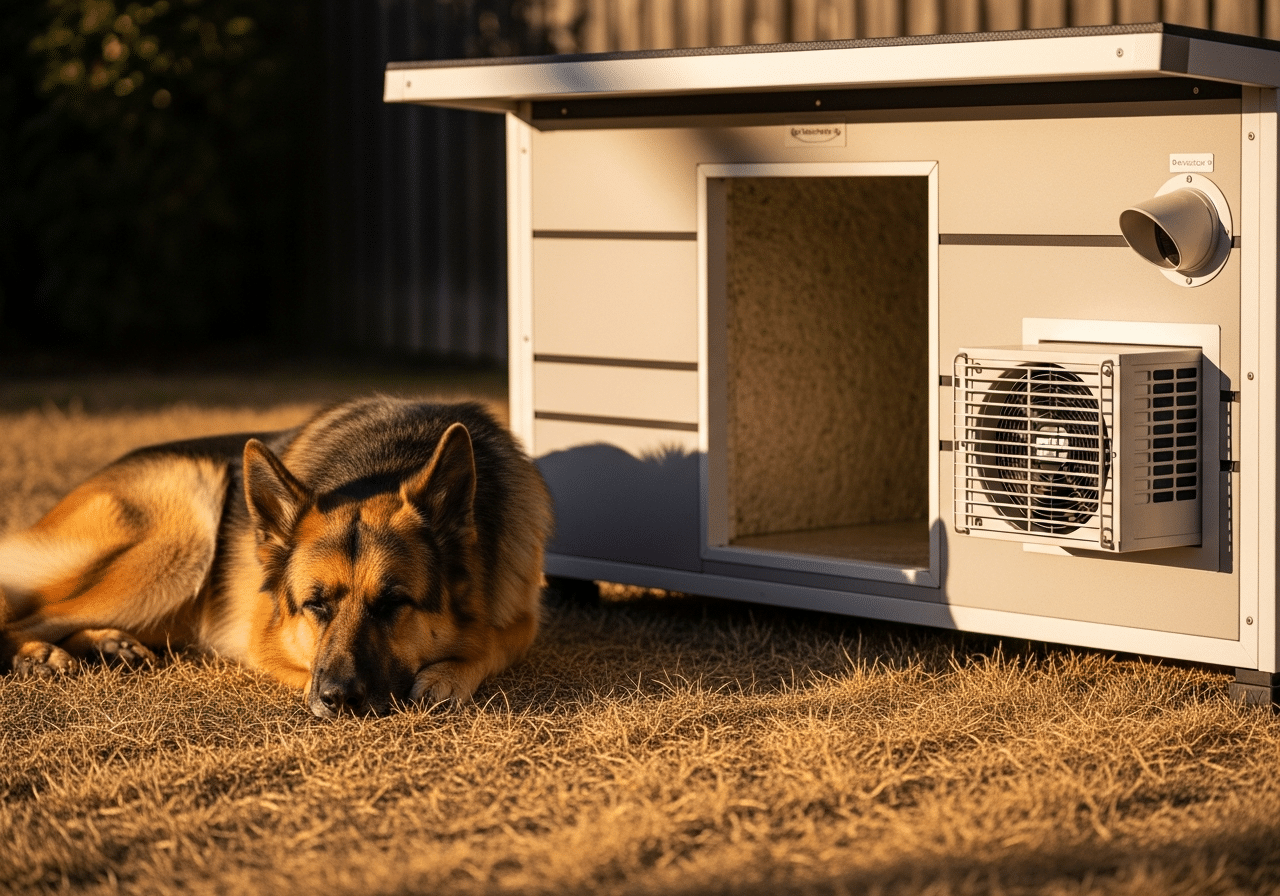
Denash 30W Solar Heater
A higher-wattage solar fan-heater kit for more warmth and airflow than the entry units.
What we like
- More output
- Summer airflow too
The catches
- Stock moves fast
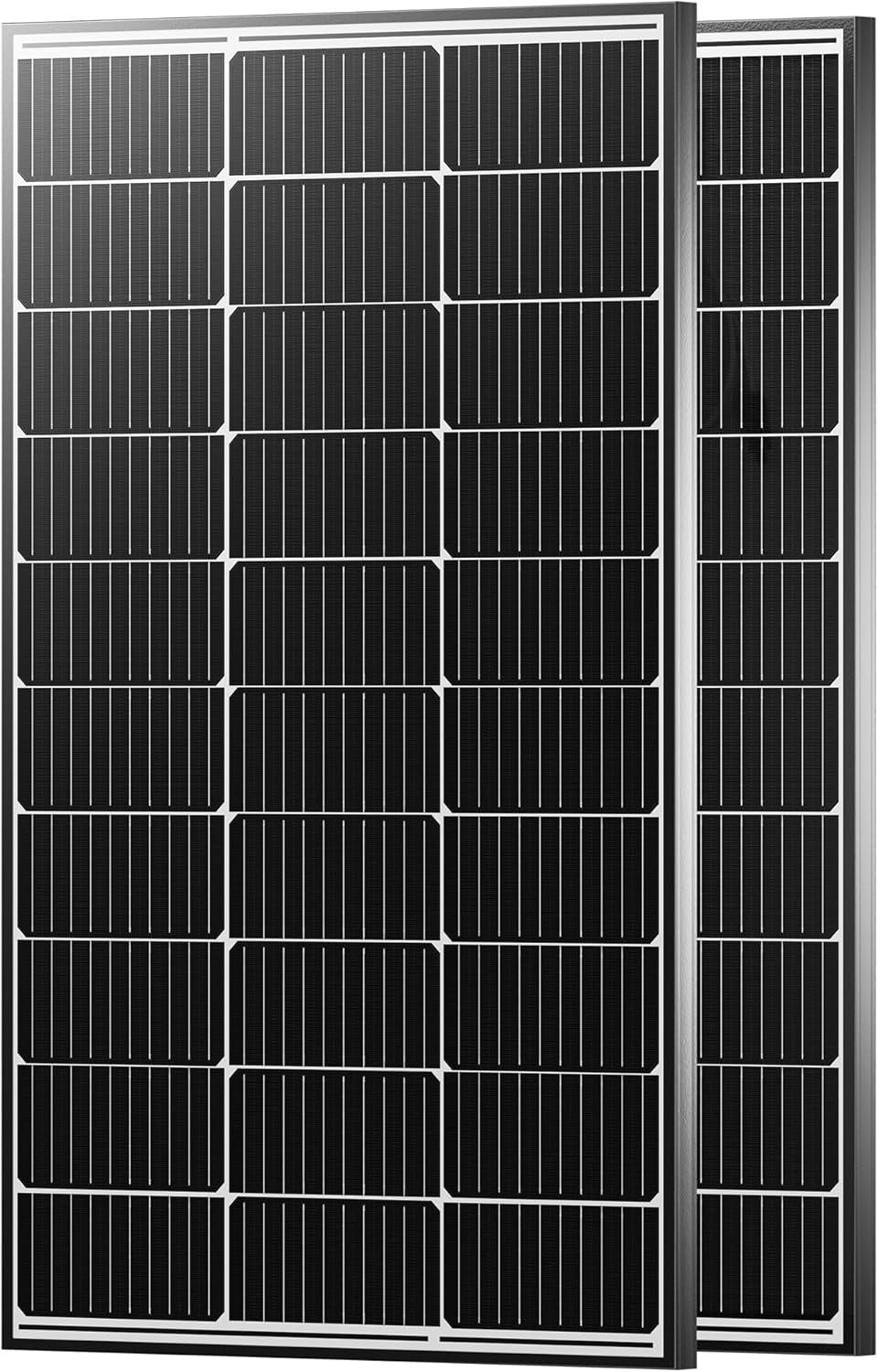
JJN 100W Solar Panel Kit
Real wattage to run a heated pad through a cold night with a battery — far more headroom than a trickle panel.
What we like
- Real cold-night power
- High-efficiency cells
The catches
- Needs a battery + controller
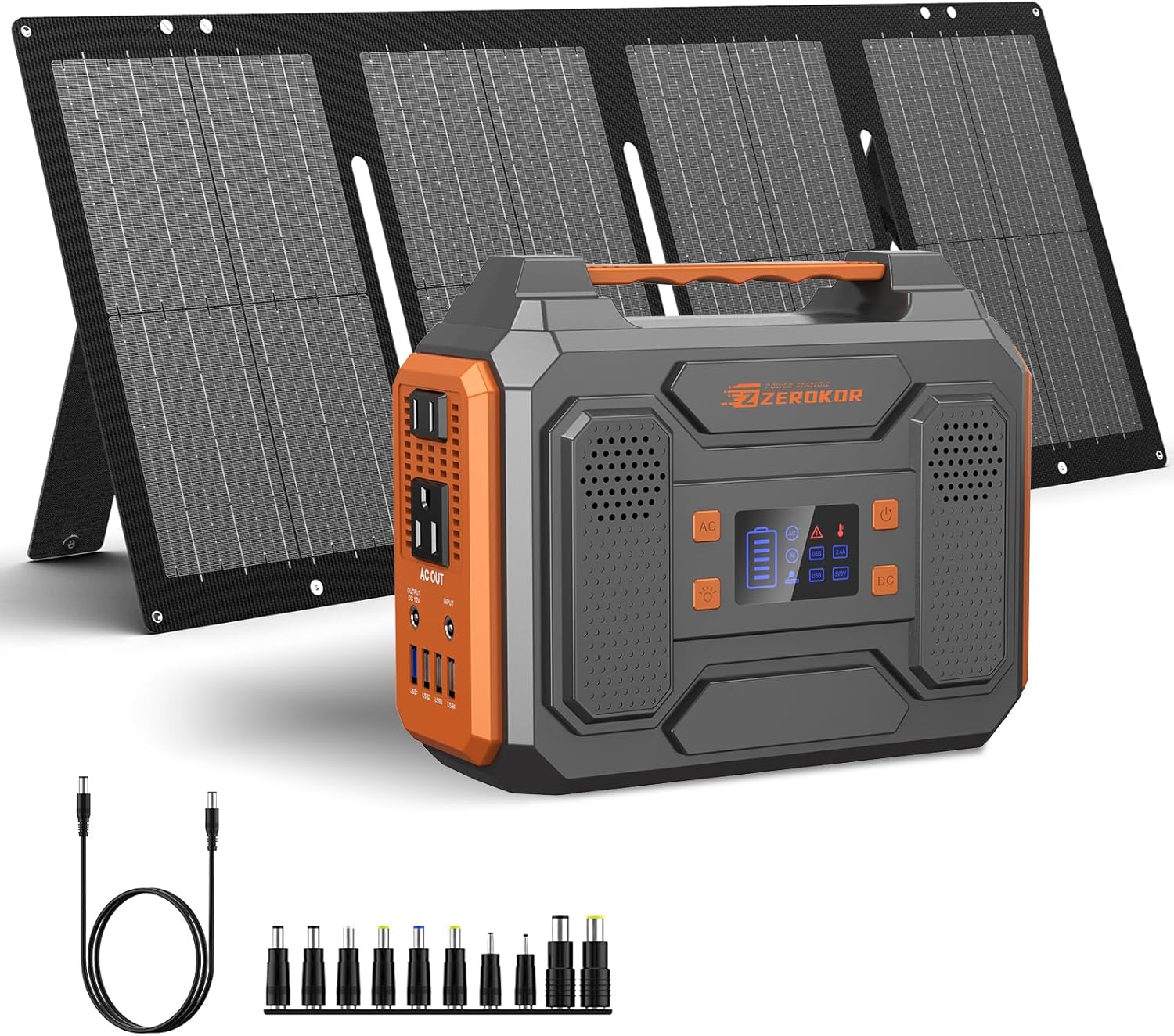
Portable Solar Generator (300W)
A power station banks the day’s solar so a heated pad runs reliably overnight — the dependable off-grid core.
What we like
- Reliable overnight run-time
- Powers other gear
The catches
- Adds cost
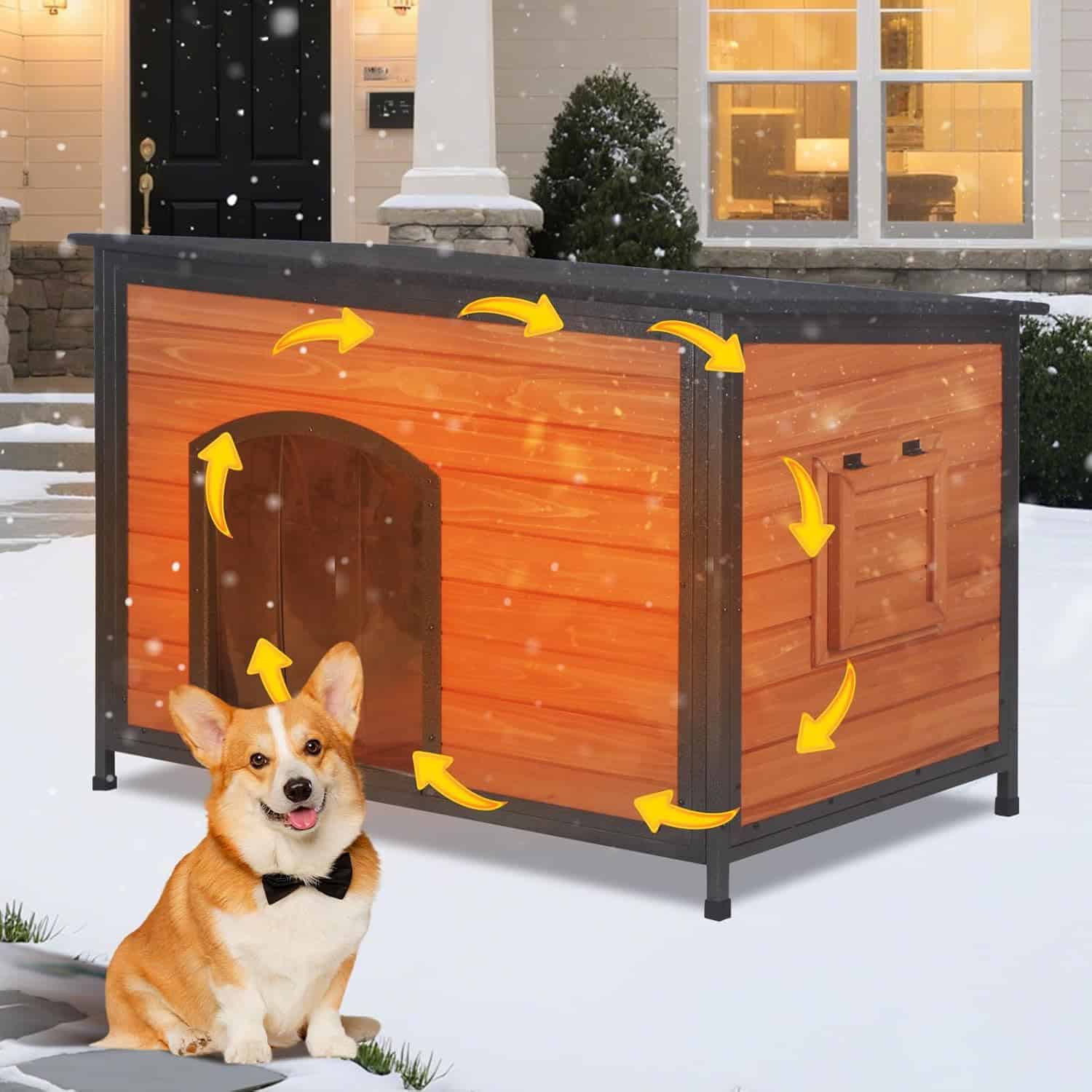
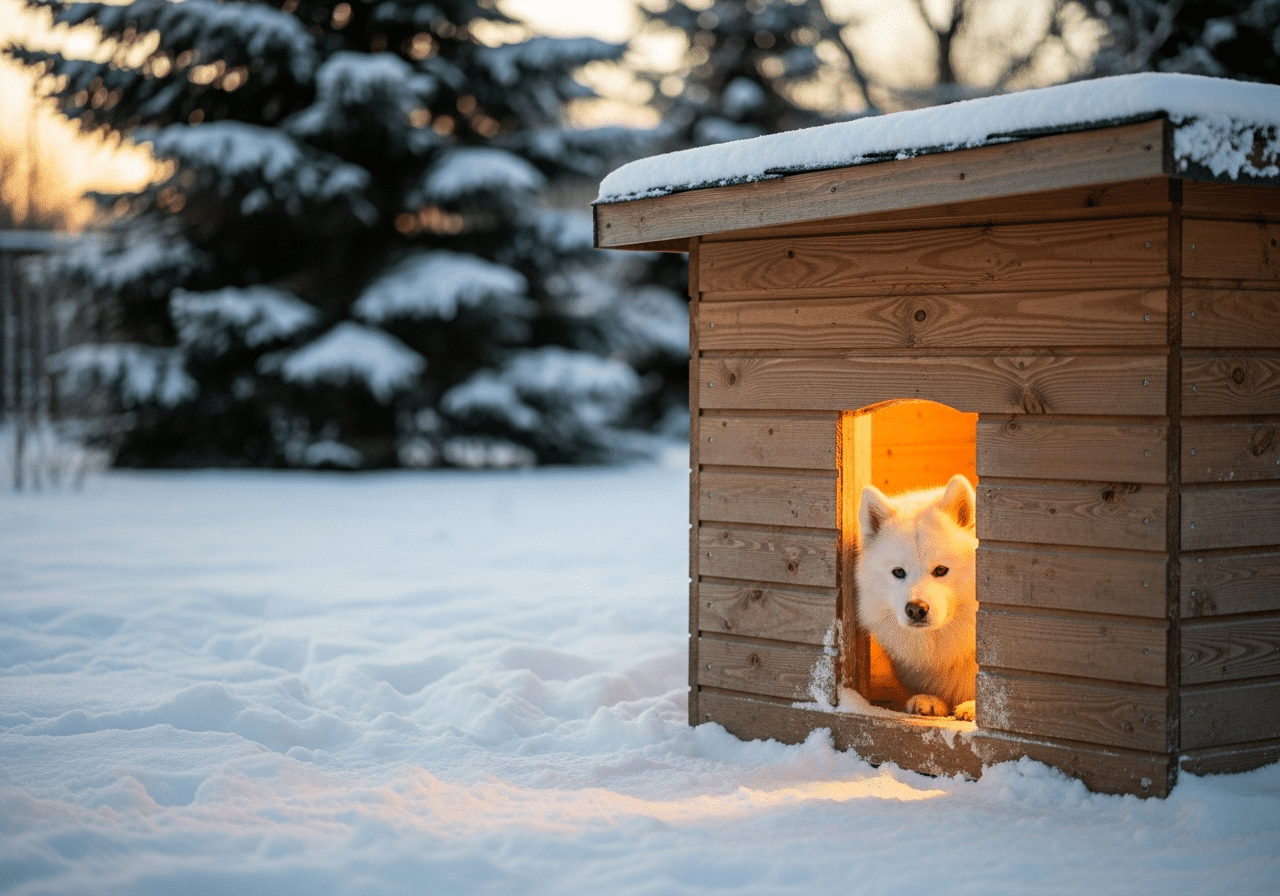
Insulated Wooden Dog House
Solar heat is wasted on a draughty box. This insulated, raised, flap-doored house holds the warmth in.
What we like
- Makes heat count
- Weatherproof base
The catches
- Some assembly
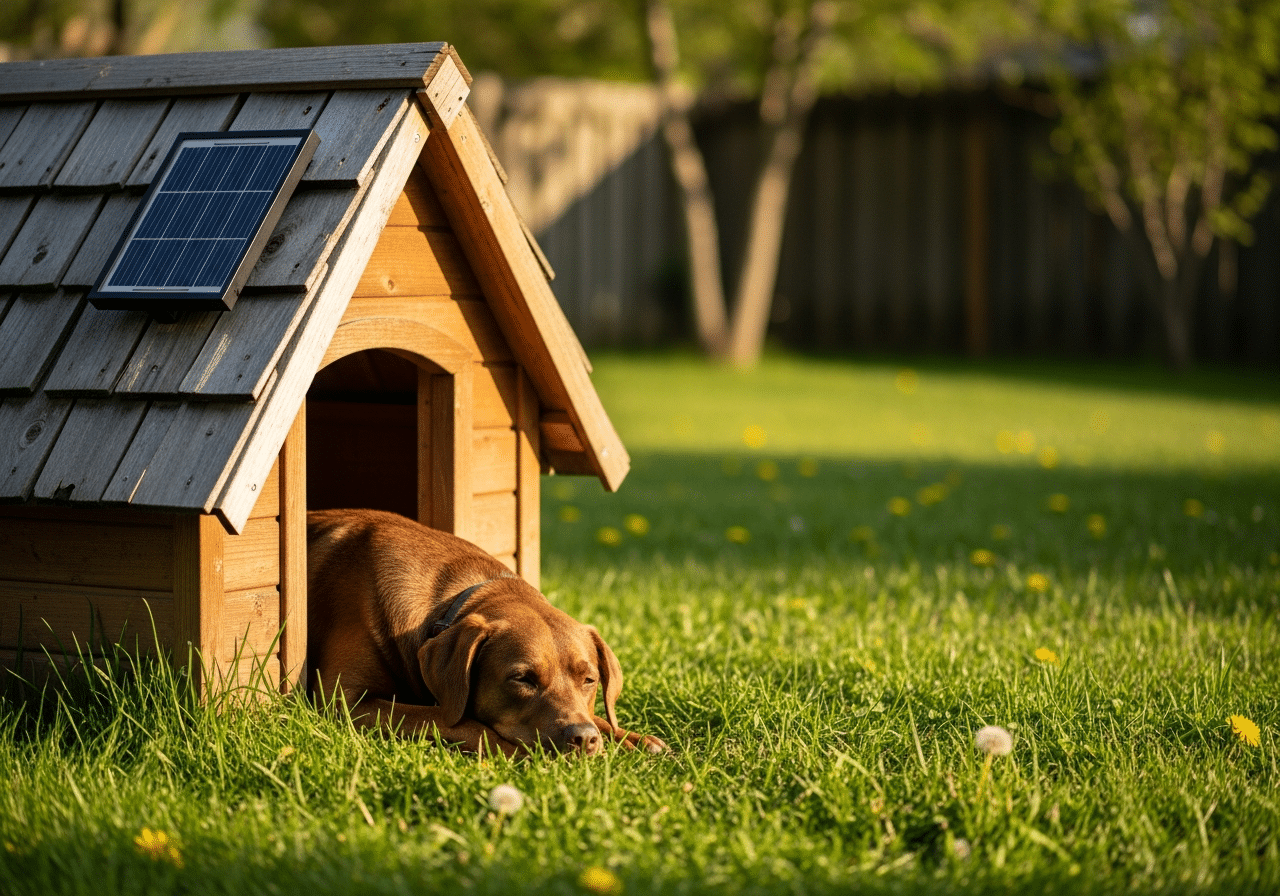
Choosing the best solar-powered dog house for cold weather isn’t about picking the biggest panel — it’s about matching an active solar heating system to a shelter built to hold that heat in. A panel-and-battery rig can run a 12V heated pad through a freezing night, but only when it sits inside a well-insulated, raised, door-flapped box. This cold-weather buyer guide breaks down exactly what to look for: the heating system, the insulation, the cold-weather sizing, and the safety features that matter when temperatures drop below freezing.
What makes a solar-powered dog house cold-weather ready
A solar-powered dog house for cold weather is really two systems working together: a solar heating setup that generates and stores warmth, and a shelter shell built to keep that warmth from escaping. Buy or build for cold and both have to be right — a great panel on a thin, drafty box is wasted, and a beautifully insulated box with no heat source still leaves a dog shivering on the longest nights.
That’s the lens for everything below. We’ll start with the heating system, because it’s the part most cold-weather buyers get wrong.
Active vs passive solar: which one warms a dog in the cold?
There are two kinds of solar-powered dog house, and they perform very differently once it’s genuinely cold. Knowing which one you’re buying matters more than any other spec.
| System | How it heats | Warm after dark? | Best for cold weather? |
|---|---|---|---|
| Active solar panel → charge controller → 12V deep-cycle battery → heated pad | Daytime sun charges a battery; the battery powers a low-watt 12V heated pad day and night | Yes, while the battery holds charge | Yes — the only solar option that delivers real overnight heat |
| Passive solar south-facing clear panel + thermal mass (dark rock / concrete floor) | Sun heats dark thermal mass by day, which radiates a little heat back at night | Partly — fades through the night | Supplement only — a few degrees above ambient |
For cold weather, you want active solar. Passive solar is a clever no-electricity boost, but on its own it can’t carry a dog through a freezing night. The best cold-weather setups use an active panel-and-battery system and treat any passive gain (a sun-facing window, a dark floor) as a bonus on top. For the full parts list, see our solar heated dog houses for cold climates guide.
Cold-weather buying checklist: feature by feature
Use this as your shopping filter. The best solar-powered dog house for cold weather scores well on every row — not just the headline panel wattage.
| Feature | What to look for in cold weather | Why it matters when it’s freezing |
|---|---|---|
| Heating system | Active: 100W mono panel, charge controller, 12V deep-cycle battery, thermostatic 12V heated pad | Only stored battery power keeps a pad warm overnight; a thermostat stops it draining before dawn |
| Insulation | R-10 to R-15 rigid foam in walls, floor and roof | Insulation is the multiplier that makes a small solar input feel like real warmth |
| Raised floor | Legs or a base lifting it off frozen ground | Frozen earth wicks heat straight out of an on-ground floor |
| Doorway | Offset/baffled opening with a heavy vinyl or rubber door flap | An open doorway dumps warm air; a flap traps it and blocks wind |
| Battery capacity | Sized for your worst typical week, not a sunny brochure day | Short, cloudy winter days mean the battery, not the panel, does the night work |
| Safety | Chew-proof cord conduit, pet-safe pad, overheat cutoff, low-voltage 12V | Cold-weather setups run longer hours, so safe wiring and a cutoff matter more |
A house that nails insulation, a raised floor and a door flap will keep a dog warmer on battery alone than a poorly built box with twice the panel. Build quality is the foundation; solar is the layer on top.
A cold-ready active-solar setup, part by part
- Solar panel (100W mono): sized to recharge the battery on a short winter day
- Charge controller: protects the battery from over- and under-charging
- 12V deep-cycle (RV) battery: the part that does the overnight work
- 12V DC heated pad (thermostatic): warms the dog by contact, the most reliable real heat
- Timer / thermostat: keeps the pad from draining the battery before morning
That battery is why active solar beats passive for cold weather: the sun stops working at sunset, but stored charge keeps the pad warm into the night.
Sizing for short winter sun
Cold-weather solar lives and dies on one fact: a 100W panel produces nowhere near 100W in winter. Short days, a low sun angle and cloud cover slash output exactly when you need heat most. So you size for the worst, not the best.
- Oversize the panel relative to summer needs — a panel that’s generous in June may be marginal in December
- Oversize the battery so a single cloudy day doesn’t leave the pad dead by 3 a.m.
- Match pad wattage to battery capacity — a hungry pad on a small battery runs flat fast; a low-watt pad on a big deep-cycle battery carries the night
- Plan for cloudy streaks — if you get grey winter weeks, keep a plug-in or backup heat option for the harshest nights
Bigger dogs and harsher climates push every number up. For matching the house itself to your dog, see our notes on keeping pets warm in subzero temps.
Cold thresholds: when solar isn’t enough
Even the best solar-powered dog house has limits, and honesty about them keeps a dog safe. A small heated pad fighting a hard freeze in a thin box is overmatched — and cold is dangerous to dogs well before subzero.
- 45°F — caution for small, senior or thin-coated dogs
- 32°F — freezing point; hypothermia risk rises
- 20°F and below — life-threatening for most dogs outdoors
The Humane Society’s cold-weather guidance is clear that in extreme cold, dogs should come indoors — no dog house, solar or otherwise, replaces that. Treat a solar setup as a way to keep a dog comfortable through a normal winter, not a furnace that defeats any temperature. And bed the house with straw, which insulates and repels moisture — never blankets, which freeze and draw heat away.
Within those limits, a well-sized active solar house earns its place. For the broader cold-weather picture, our best solar heated dog houses hub compares every setup side by side.