 Dog Gear, Sized Right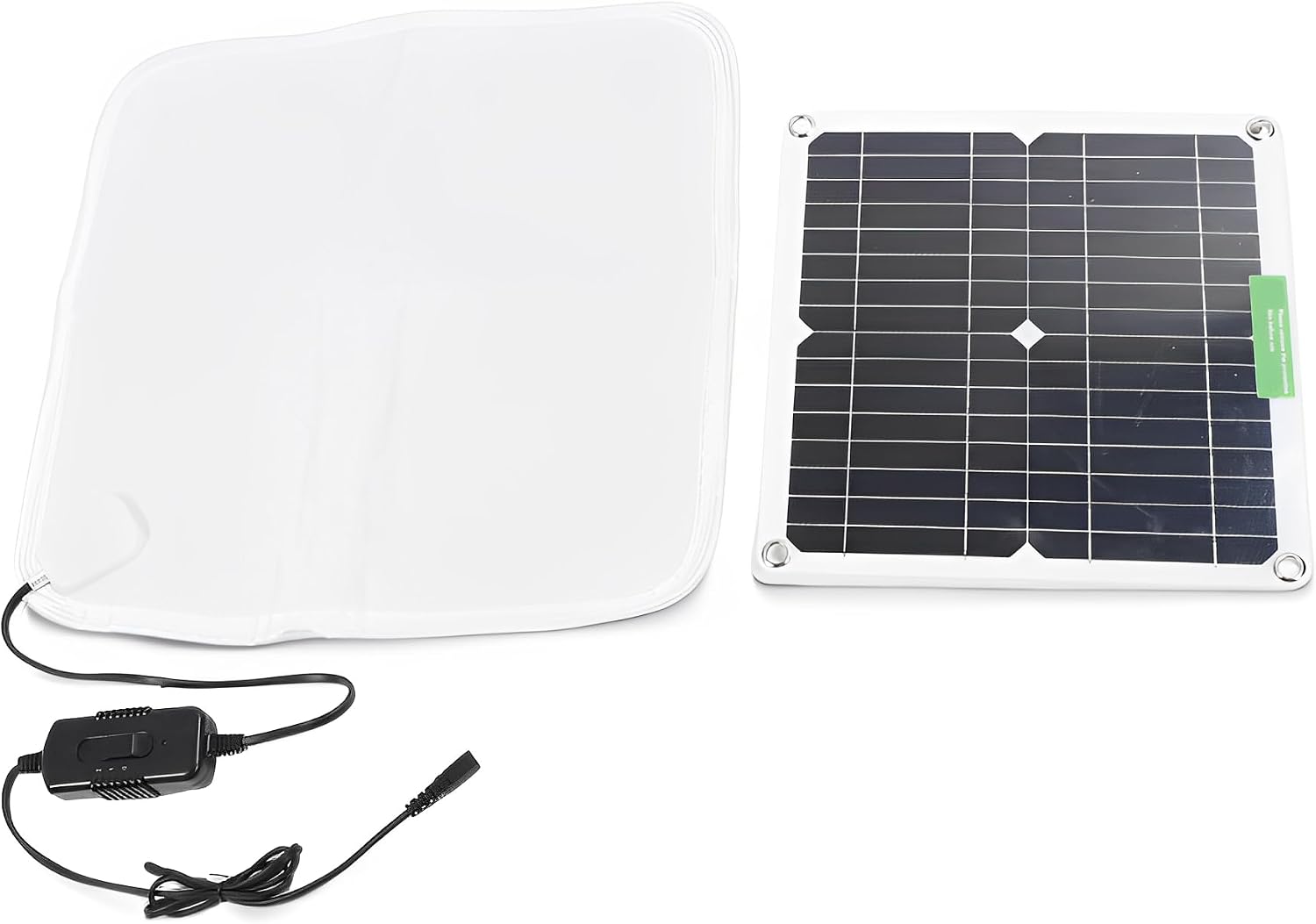
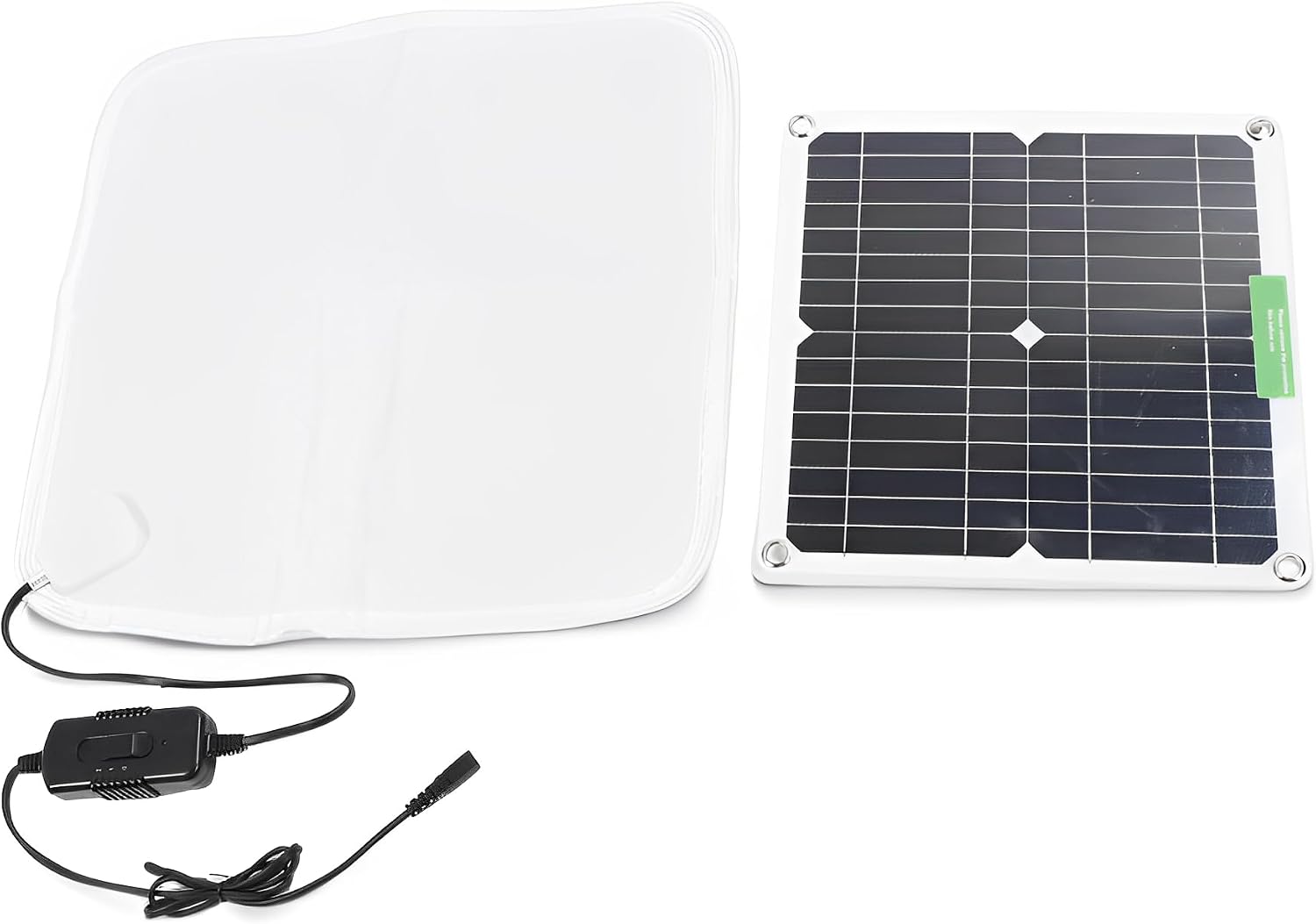
LICAEVEY Solar Pet Heating Pad
The most direct way to add solar-powered warmth to a dog house: a low-voltage 12V heated pad with its own solar panel that warms your dog, not the air. It’s the right idea for an off-grid shelter, just pair it with an insulated house and plan a battery buffer for cloudy stretches.
LICAEVEY Solar Pet Heating Pad at a glance
| Type | Low-voltage heated pet pad with included solar panel |
|---|---|
| Voltage | 12V (low-voltage, no mains AC at the pad) |
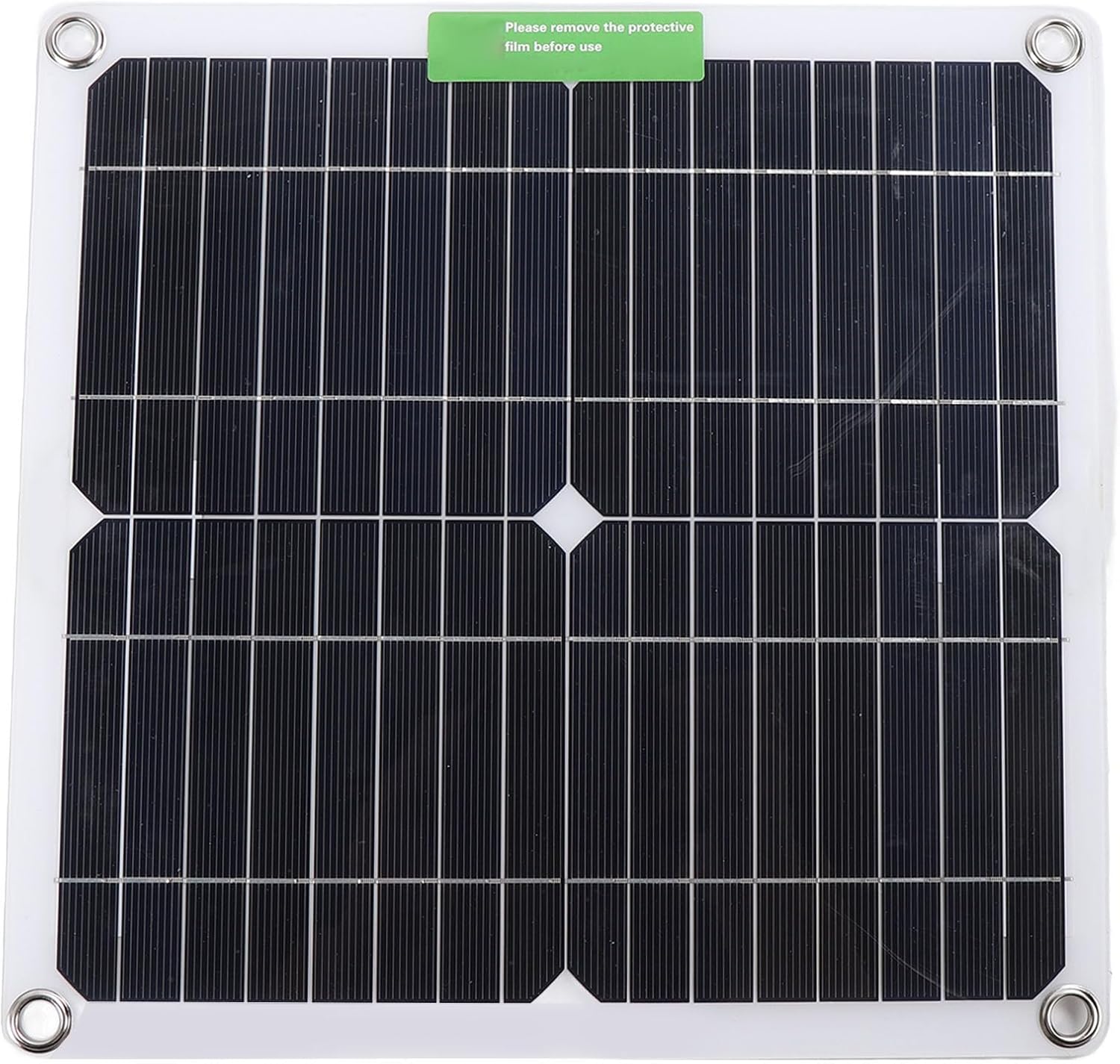
| Wattage | 50W solar panel output |
| Solar panel | Included, polycrystalline silicon, corner grommets for mounting |
| Warms | The dog directly (contact heat), not the air in the house |
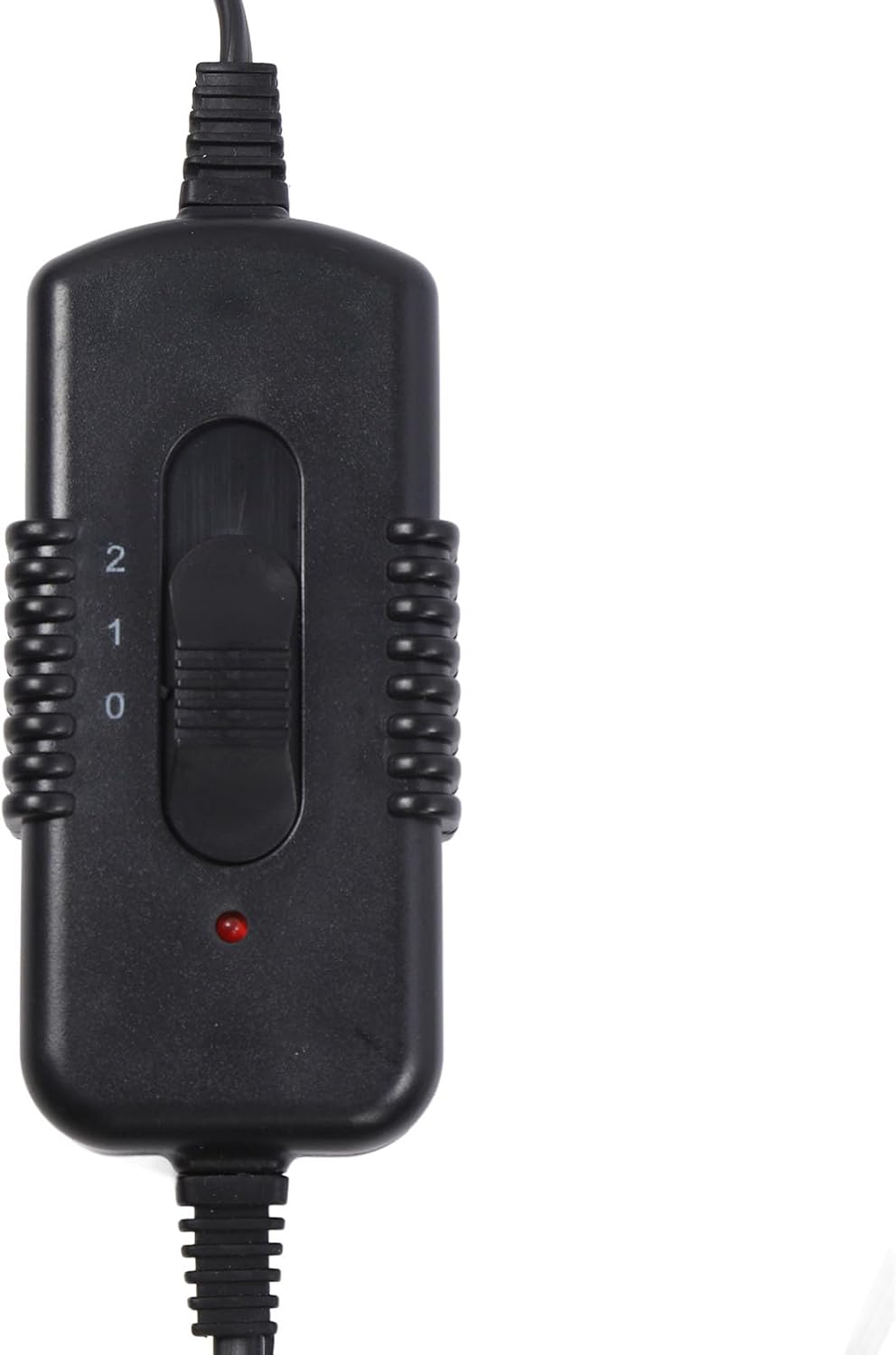
| Cord | In-line switch on the cord (off / low / high) |
| Pad size | About 12.2 × 11.8 in (30 × 31 cm), small/medium dog footprint |
| Cover | Soft, breathable, wipe-clean fabric with reinforced edges |
| Power buffer | ABS battery box included (3× Li batteries not included) |
| Price | ~$50 (last check) |
Who it’s for
This pad is for one specific owner: someone with an off-grid or hard-to-wire dog house who wants to add real warmth without running an extension cord across the yard.
- Great fit: a small-to-medium dog in an insulated house where mains power is awkward or unsafe to run
- Great fit: mild-to-moderate winters and sunny climates where the panel can keep up most days
- Skip it if: you have a mains outlet at the house, a plug-in heated pad will be warmer and more consistent
- Skip it if: you’re in a deep-freeze, low-sun region and expect heat through long cloudy stretches
If you have power at the house, compare it against the warmer plug-in options in our dog house guide first.
How a solar heated pad works
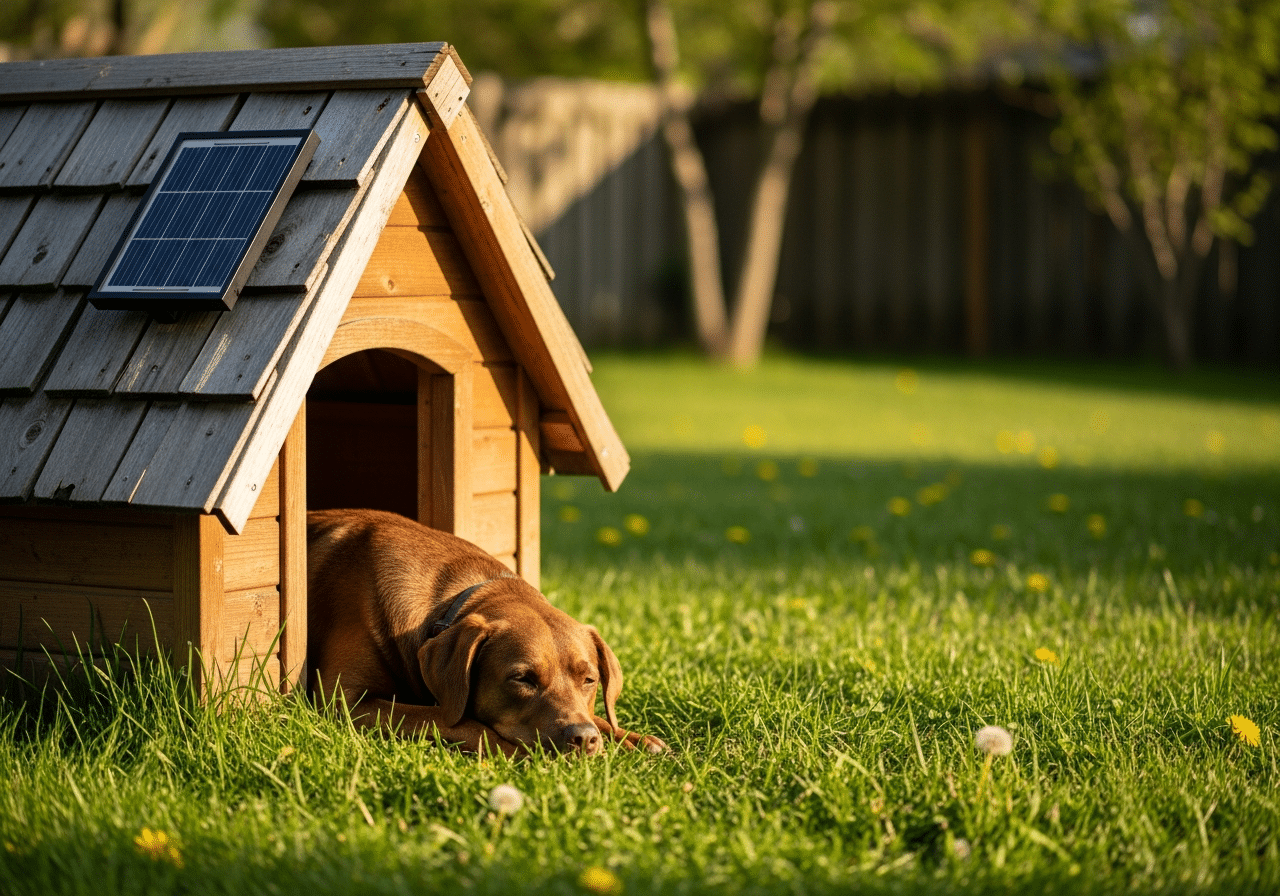
The idea is simple and that’s the appeal. The included 12V 50W solar panel sits in the sun and feeds the heated pad inside the house through a low-voltage cord. The pad warms by contact, your dog lies on it and the heat goes straight into them, rather than trying to warm all the air in the shelter the way a space heater would.
That contact approach is exactly why it can run on a modest 50W of solar: warming a dog directly takes a fraction of the energy of heating an open volume of air. The panel mounts on the roof or a sunny wall with its corner grommets, and the pad lays on the floor where your dog sleeps.
Low-voltage safety & the cord
The single best thing about this pad is that it’s 12V low-voltage. There’s no mains AC running out to a wet, chewable outdoor doghouse, which is the safest way to add heat to an outdoor shelter, full stop. The cord carries an in-line switch with off, low and high settings so you can dial the warmth down on milder days.
- Low voltage means a chewed or nicked cord is far less dangerous than mains wiring
- Switched cord lets you turn it off or run it low without unplugging anything
- Wipe-clean cover with reinforced edges holds up to paws and the odd accident
Pairing it with an insulated house
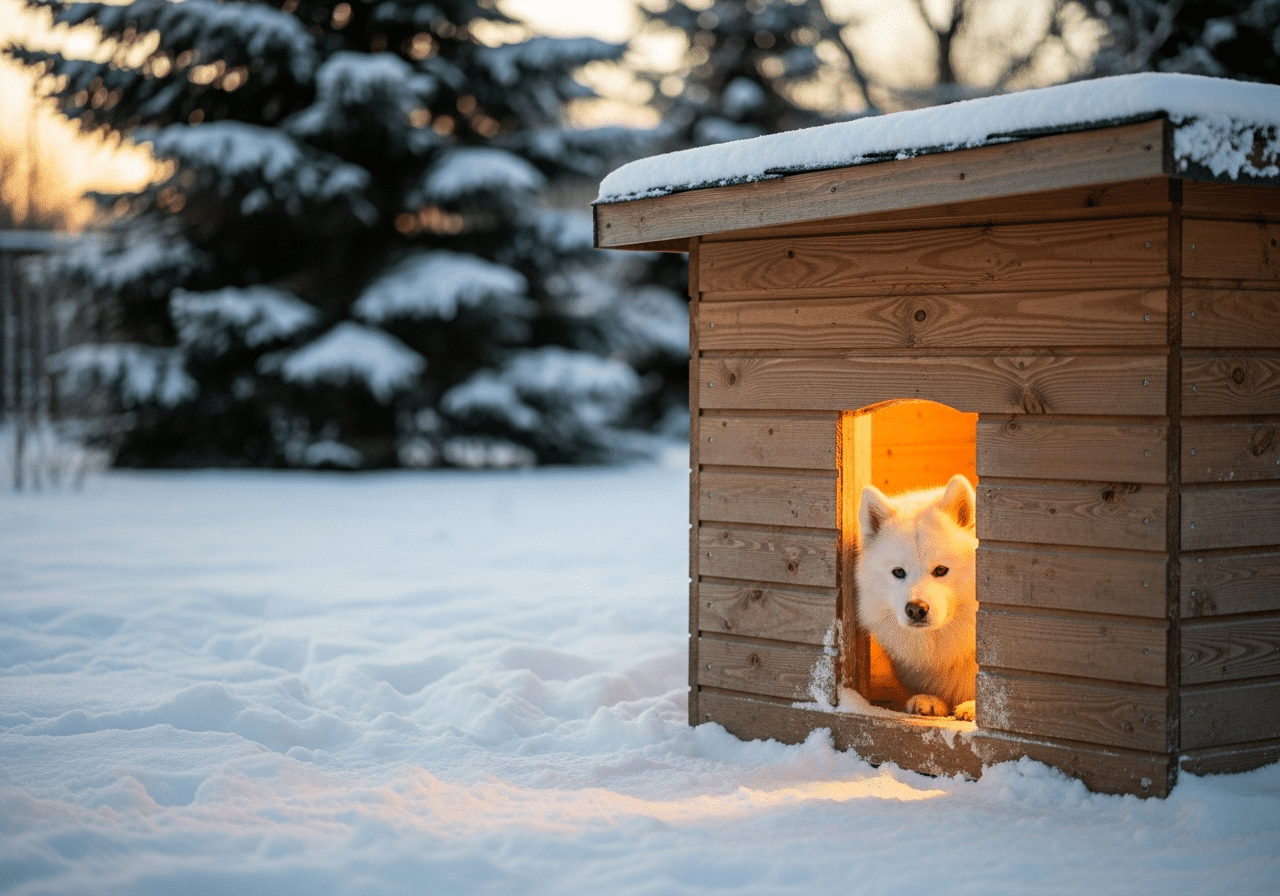
This is the honest catch you have to plan around. A heated pad warms the dog, not the house, so in an uninsulated box, that warmth radiates straight out through thin walls and the pad fights a losing battle. The pad is only half the system; insulation is the other half.
Put it in an insulated, draft-blocked house with a door flap and the same 50W goes much further, because the shelter holds the warmth your dog and the pad are making. That’s the difference between a pad that feels token and one that genuinely keeps a dog comfortable.
Setup & sunlight needs
Setup is genuinely quick, there’s no real assembly, just placement and a cord run:
- Mount the panel in full sun via the corner grommets; angle it toward the low winter sun
- Run the cord to the pad inside and protect it where it enters the house
- Add the battery box (ABS box included; 3× Li batteries are not) so the pad keeps drawing after dark and through cloud
- Set the switch to low or high depending on the night’s cold
The thing to be realistic about is sun. Solar output drops hard on short, overcast winter days, exactly when your dog needs warmth most. The included battery box is what bridges that gap, but you’ll need to add the batteries yourself.
Value & honest limits
At around $50 with a solar panel and battery box in the kit, the LICAEVEY is an inexpensive way to bring warmth to a house that has no power. For an off-grid setup that’s real value, a wired solution would cost more and mean trenching or running outdoor cable.
But set expectations honestly. Solar pet heating is still a budget, emerging category: the panels are modest, the pad is small (sized for a small-to-medium dog), and the batteries aren’t included. It’s the most direct way to add solar warmth to a dog house, it is not a substitute for an insulated house or, where you have power, a stronger plug-in heater.
For an off-grid or hard-to-wire dog house in a sunny, mild-to-moderate winter, the LICAEVEY is the most direct way to add real warmth, and the low-voltage 12V design is the safest. Just treat it as part of a system: pair it with an insulated house, mount the panel for full winter sun, and add batteries to the included box so cloudy days don’t leave your dog cold.
Pros & catches
What we like
- Low-voltage 12V design, the safest way to heat an outdoor house
- Solar panel and battery box included, works off-grid with no mains run
- Warms the dog directly, so it runs on a modest 50W of solar
- Switched cord (off/low/high) and wipe-clean, chew-resistant cover
- Inexpensive (~$50) for a complete solar warmth kit
The catches
- Pad warmth only, needs an insulated house to actually keep a dog warm
- Cloudy days need a battery buffer (batteries not included)
- Pad is small, best for a small-to-medium dog
- Solar output drops on short, overcast winter days