 Dog Gear, Sized Right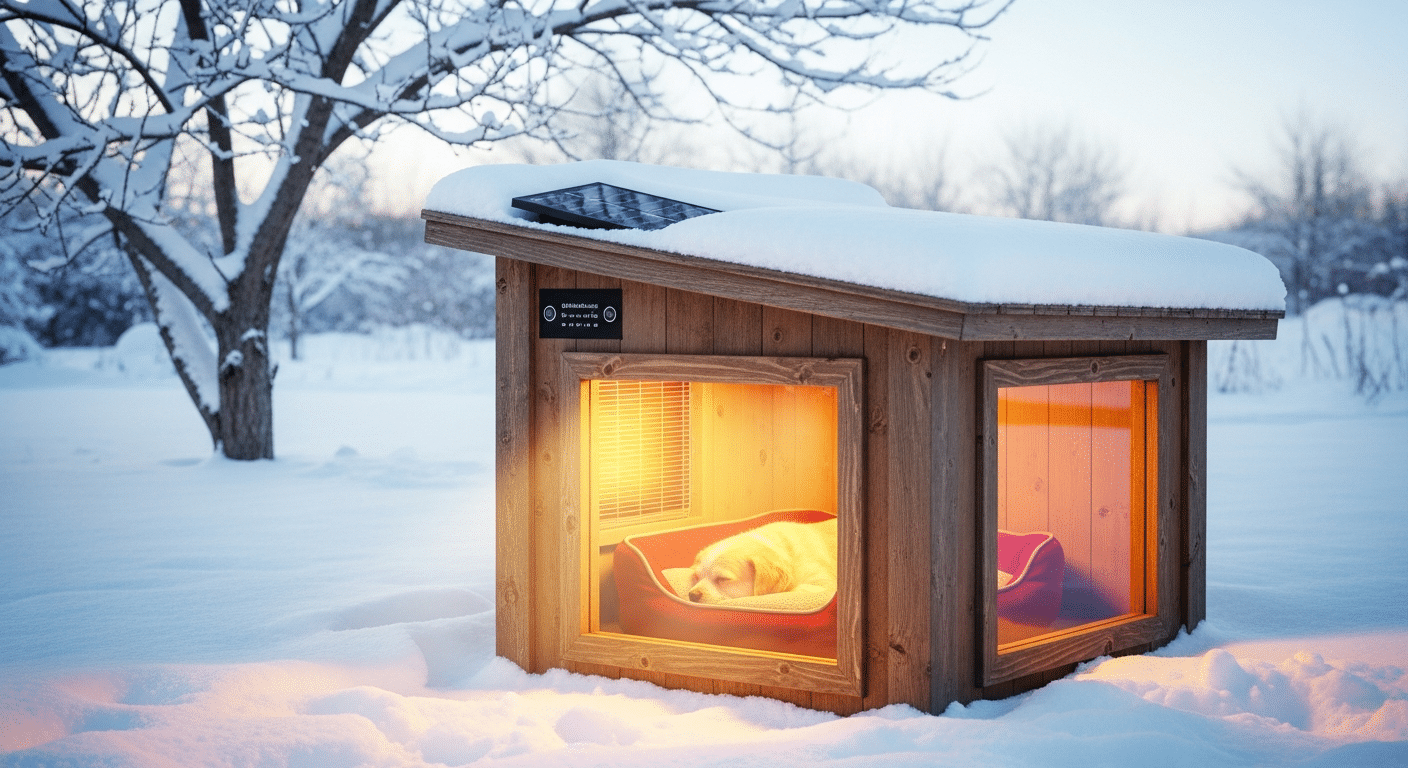
Best Solar Heated Dog Houses for Winter
Cold-snap shopping is different shopping. Here’s how to choose the best solar dog house for winter — the warmth specs, insulation and battery reserve that actually carry a dog through freezing nights.
The Best Solar Heated Dog House Gear for Winter
Each pick is verified in stock. Prices are last-checked — tap through for the live price.
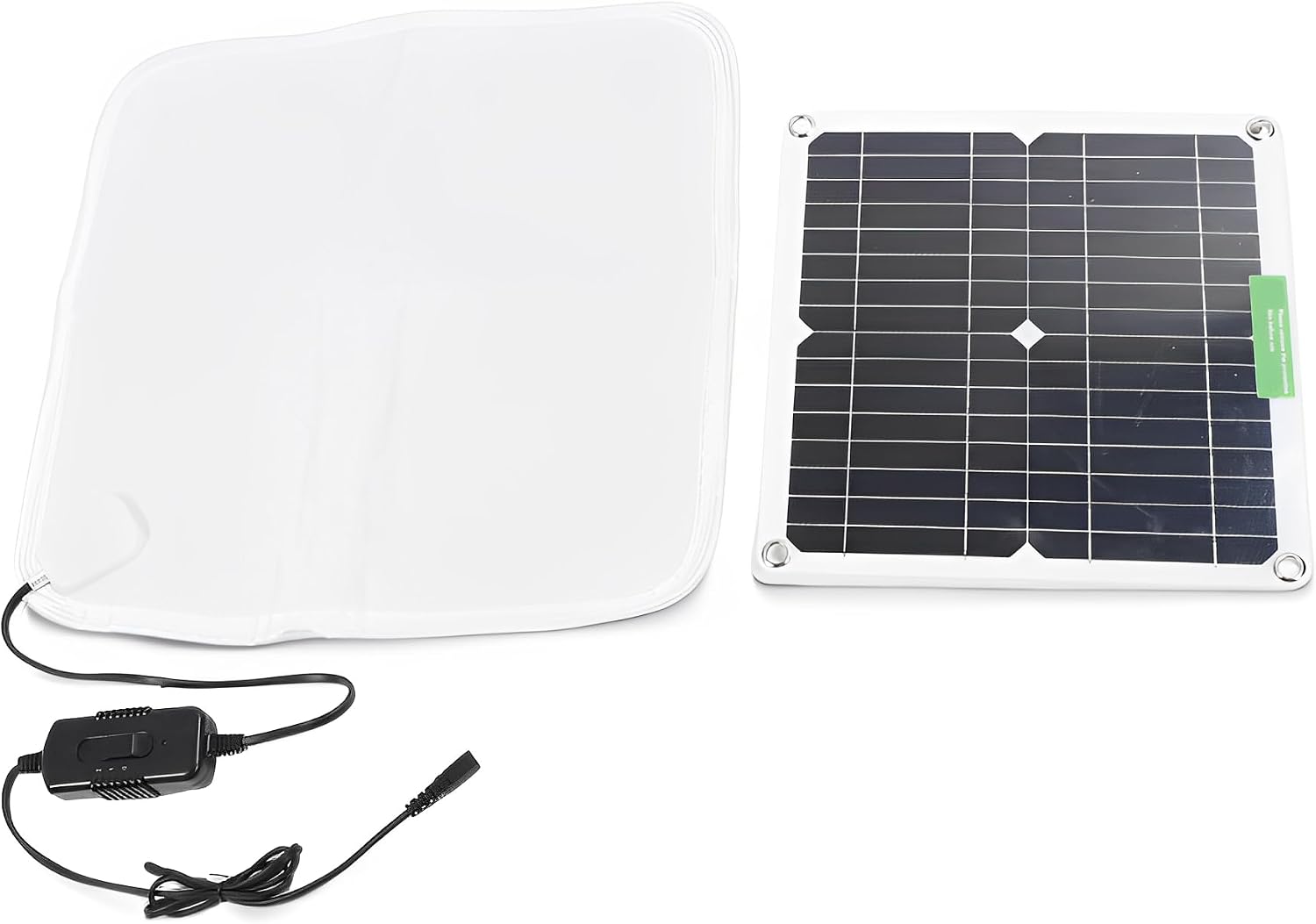
LICAEVEY Solar Heating Pad
A low-voltage heated pad with an included solar panel — the most direct, efficient way to add solar warmth.
What we like
- Safest low-voltage option
- Sips power
The catches
- Pad warmth only — pair with insulation
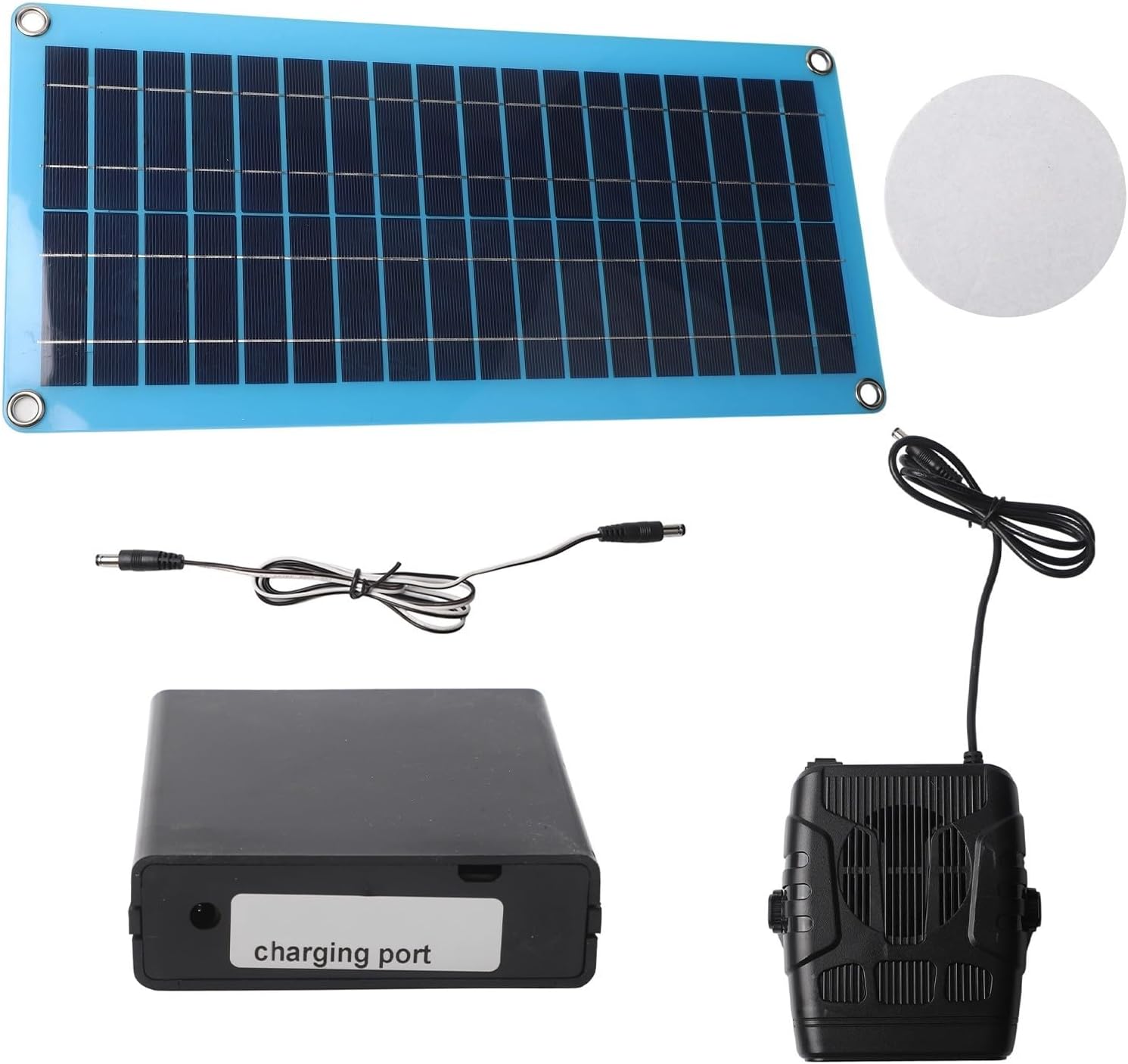
YobiLife Solar Heater Kit
Panel, battery and a small fan-heater so warmth keeps flowing after sundown — best in a small insulated house.
What we like
- Warmth past sundown
- Genuinely off-grid
The catches
- Modest output — small houses
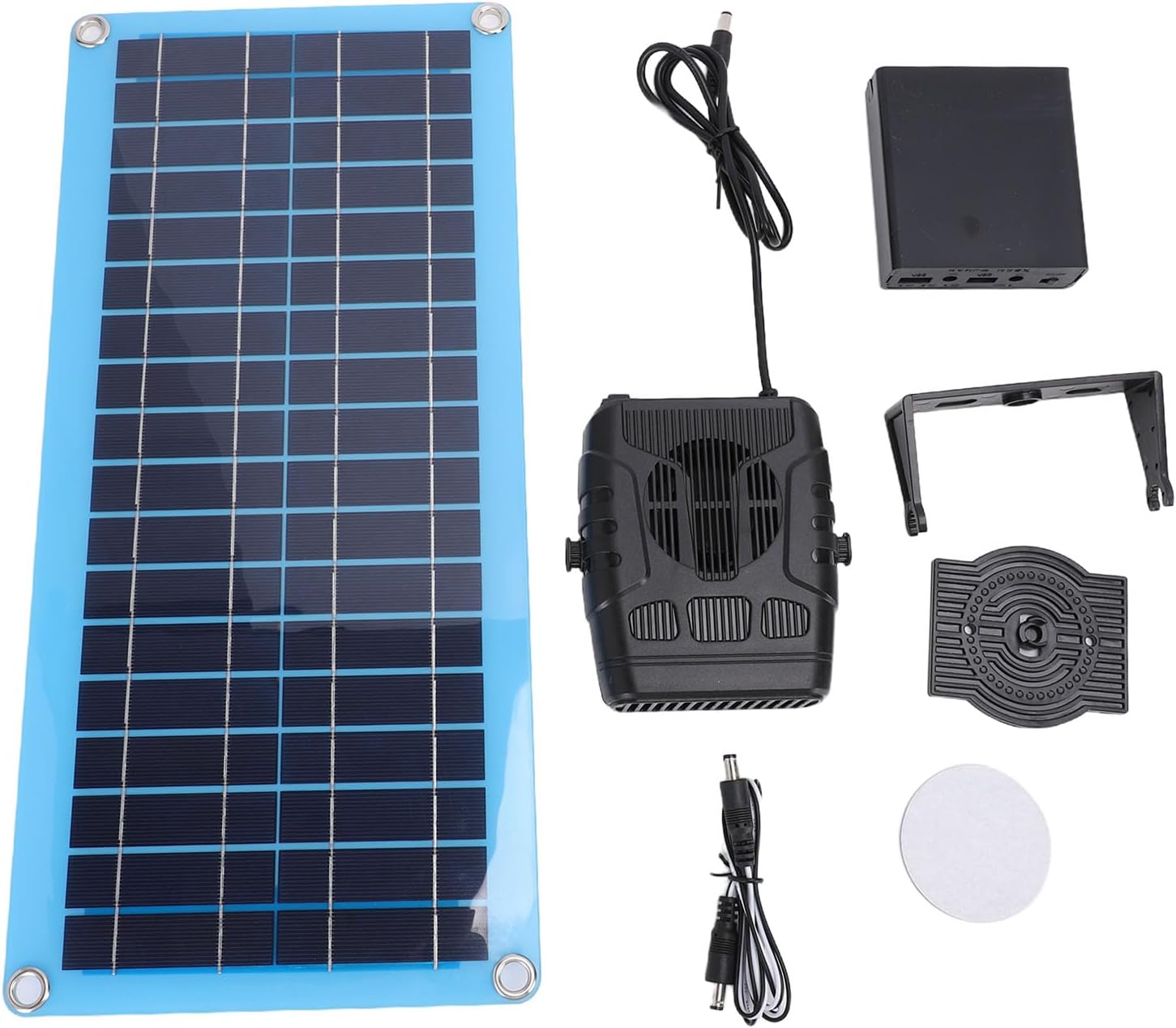
Denash 30W Solar Heater
A higher-wattage solar fan-heater kit for more warmth and airflow than the entry units.
What we like
- More output
- Summer airflow too
The catches
- Stock moves fast
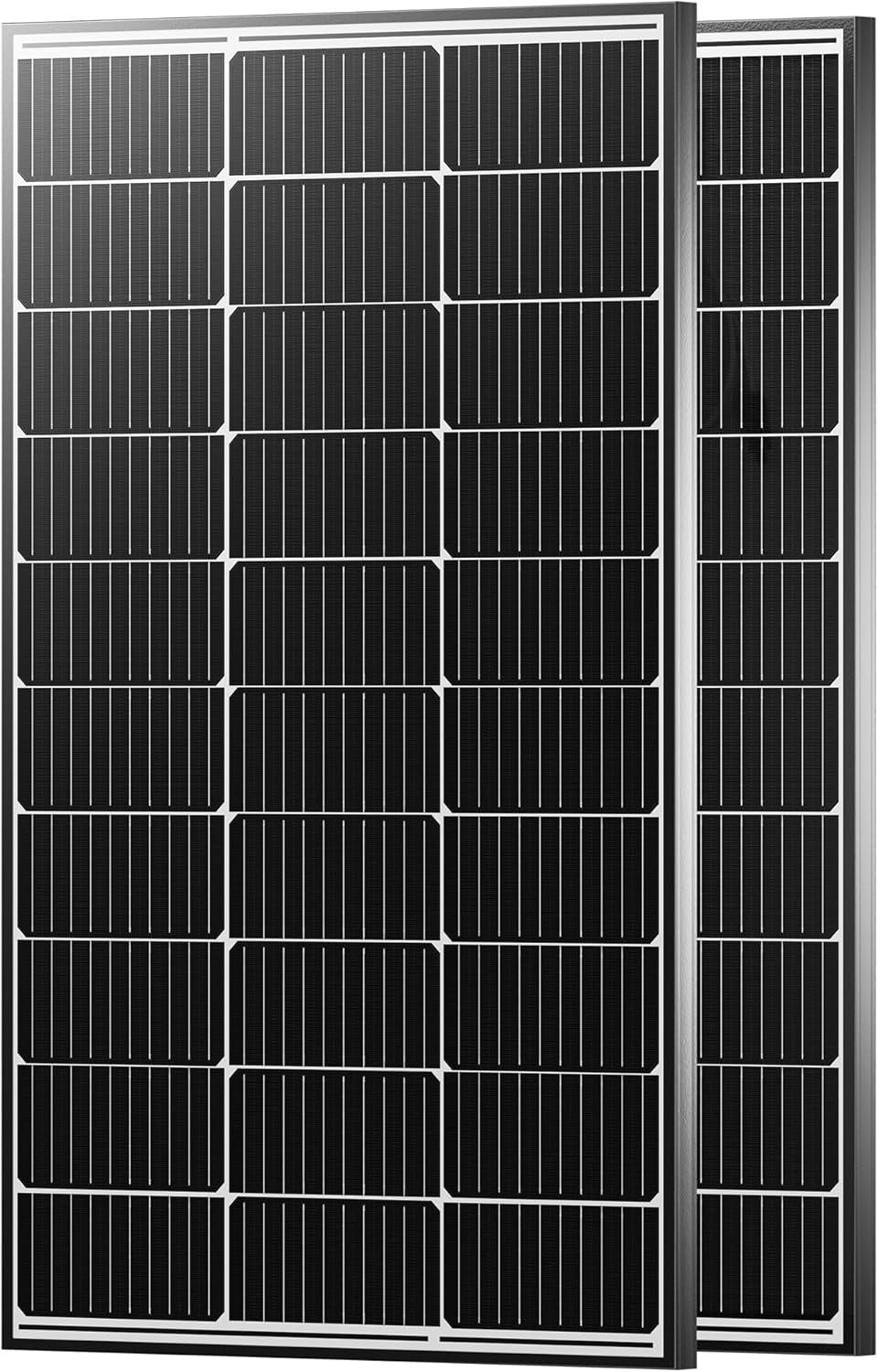
JJN 100W Solar Panel Kit
Real wattage to run a heated pad through a cold night with a battery — far more headroom than a trickle panel.
What we like
- Real cold-night power
- High-efficiency cells
The catches
- Needs a battery + controller
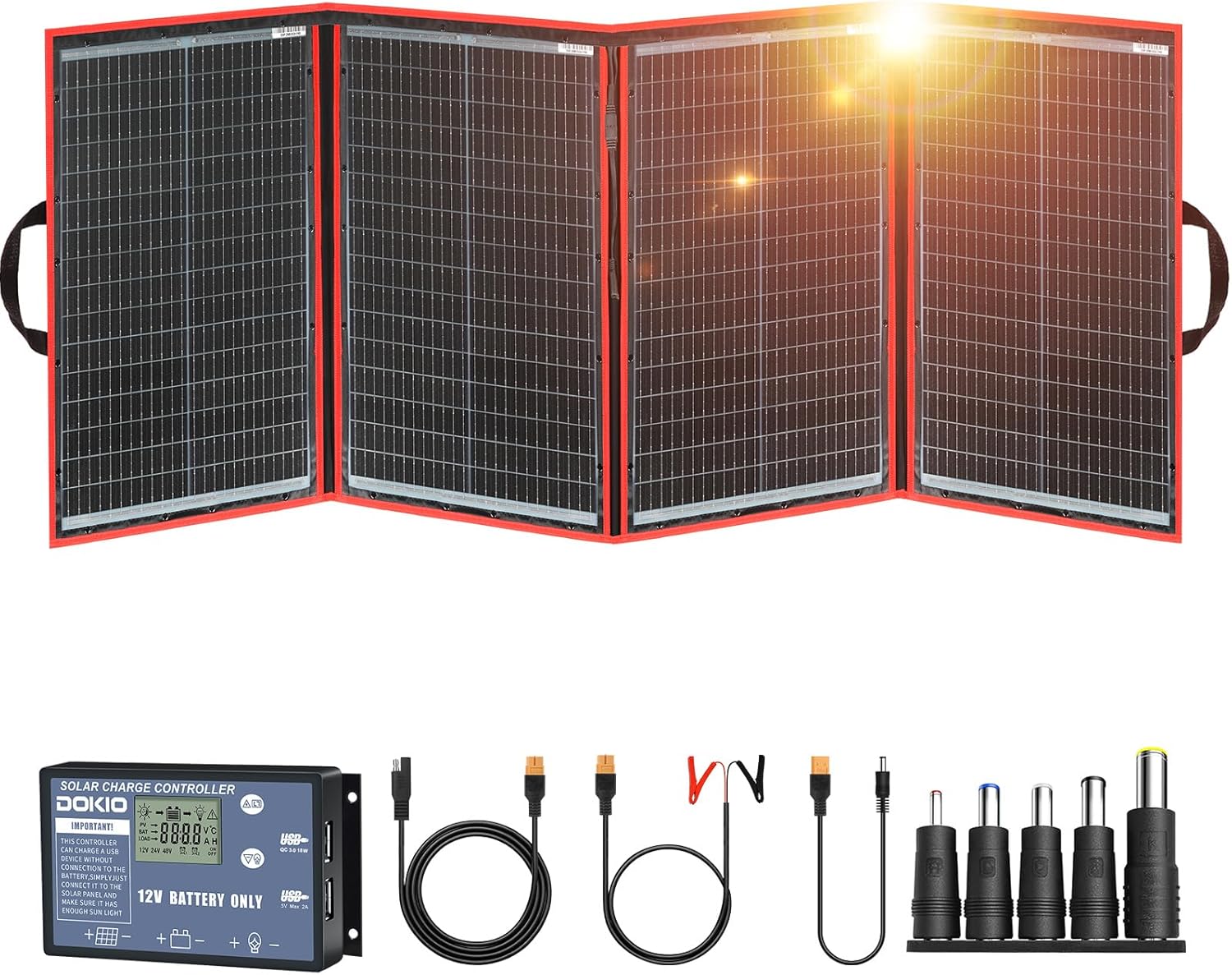
DOKIO 200W Foldable Panel
A foldable 200W panel that packs away — great if you can’t roof-mount and want to reposition for winter sun.
What we like
- Reposition for low sun
- Packs flat
The catches
- Pricier per watt
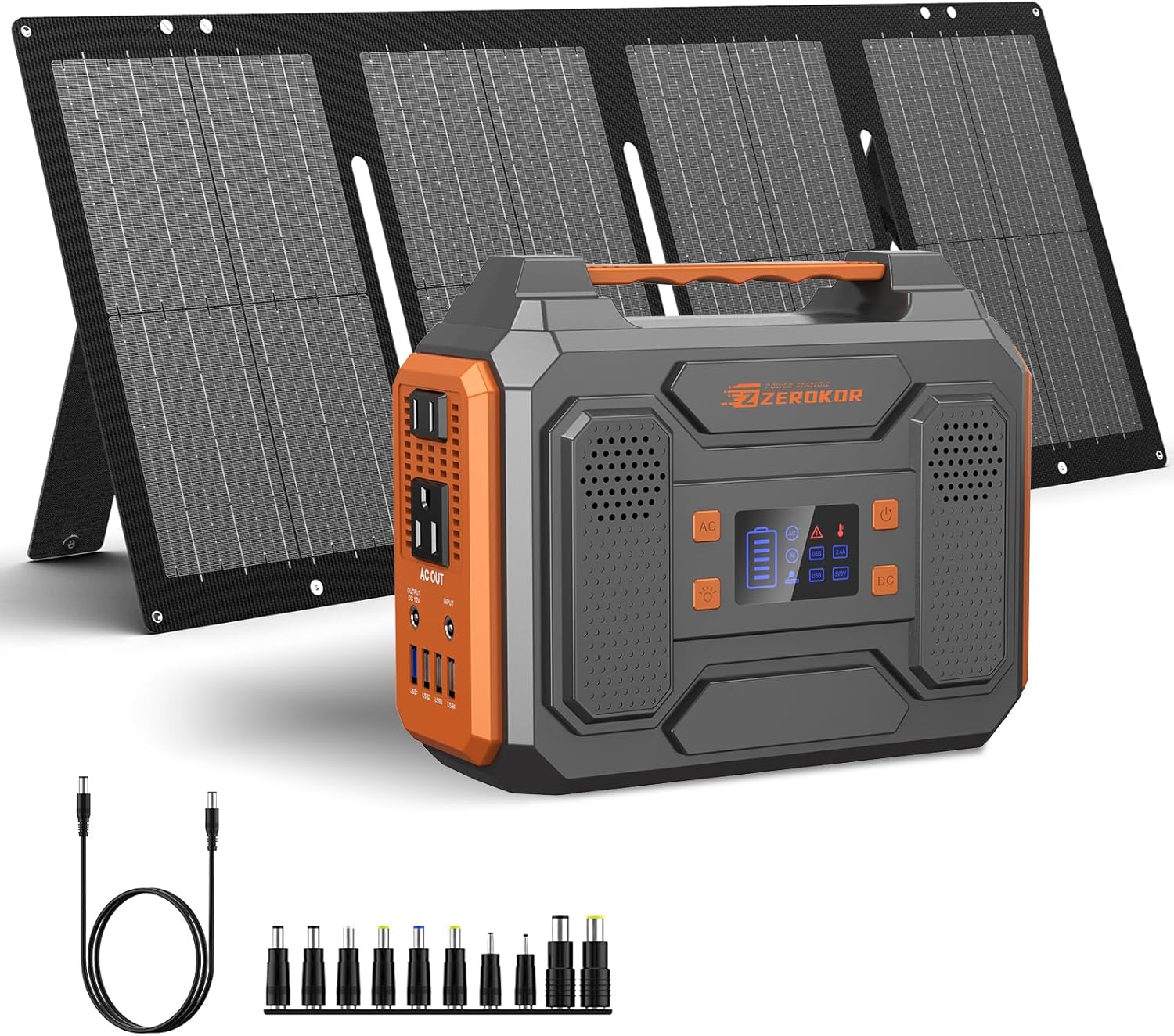
Portable Solar Generator (300W)
A power station banks the day’s solar so a heated pad runs reliably overnight — the dependable off-grid core.
What we like
- Reliable overnight run-time
- Powers other gear
The catches
- Adds cost
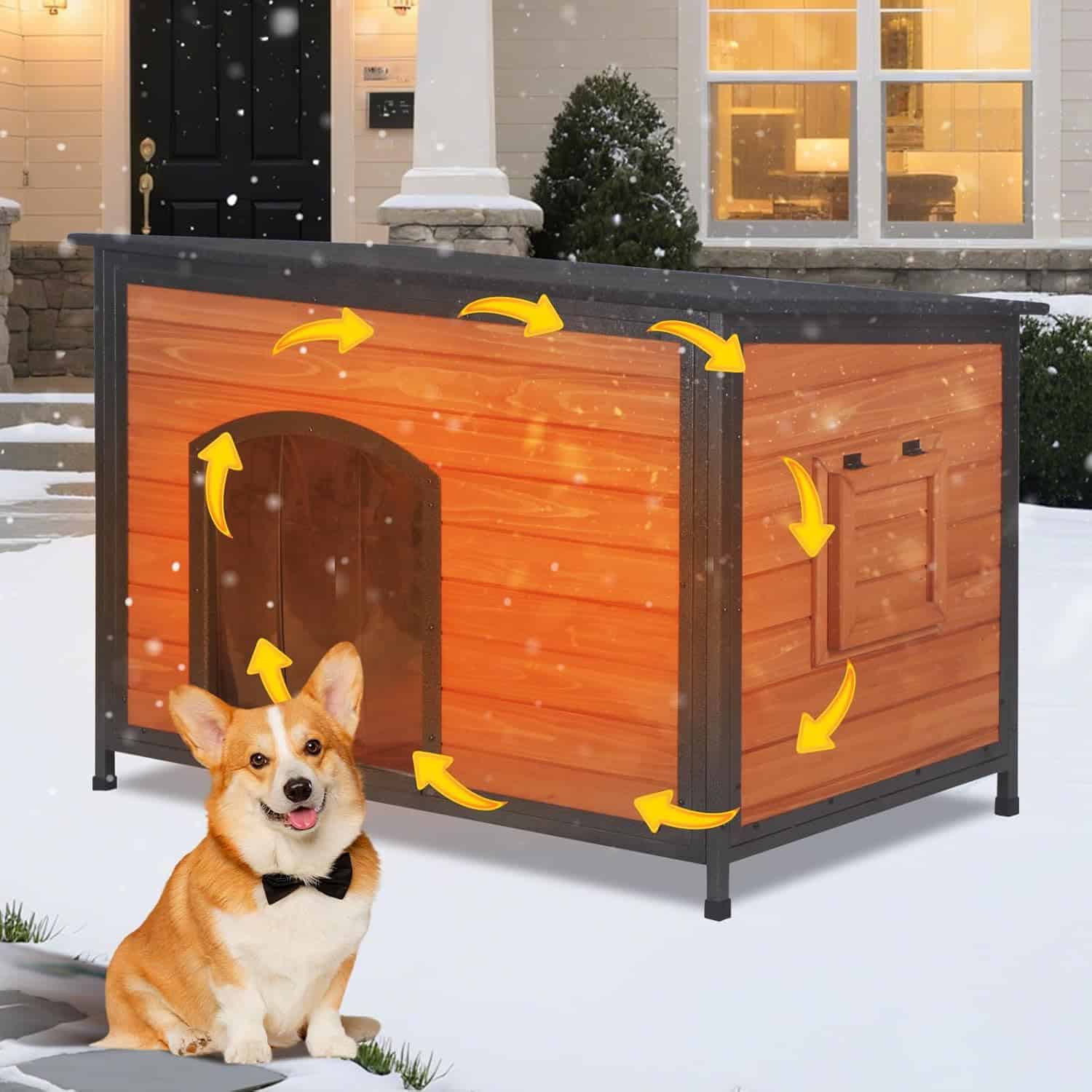
Insulated Wooden Dog House
Solar heat is wasted on a draughty box. This insulated, raised, flap-doored house holds the warmth in.
What we like
- Makes heat count
- Weatherproof base
The catches
- Some assembly
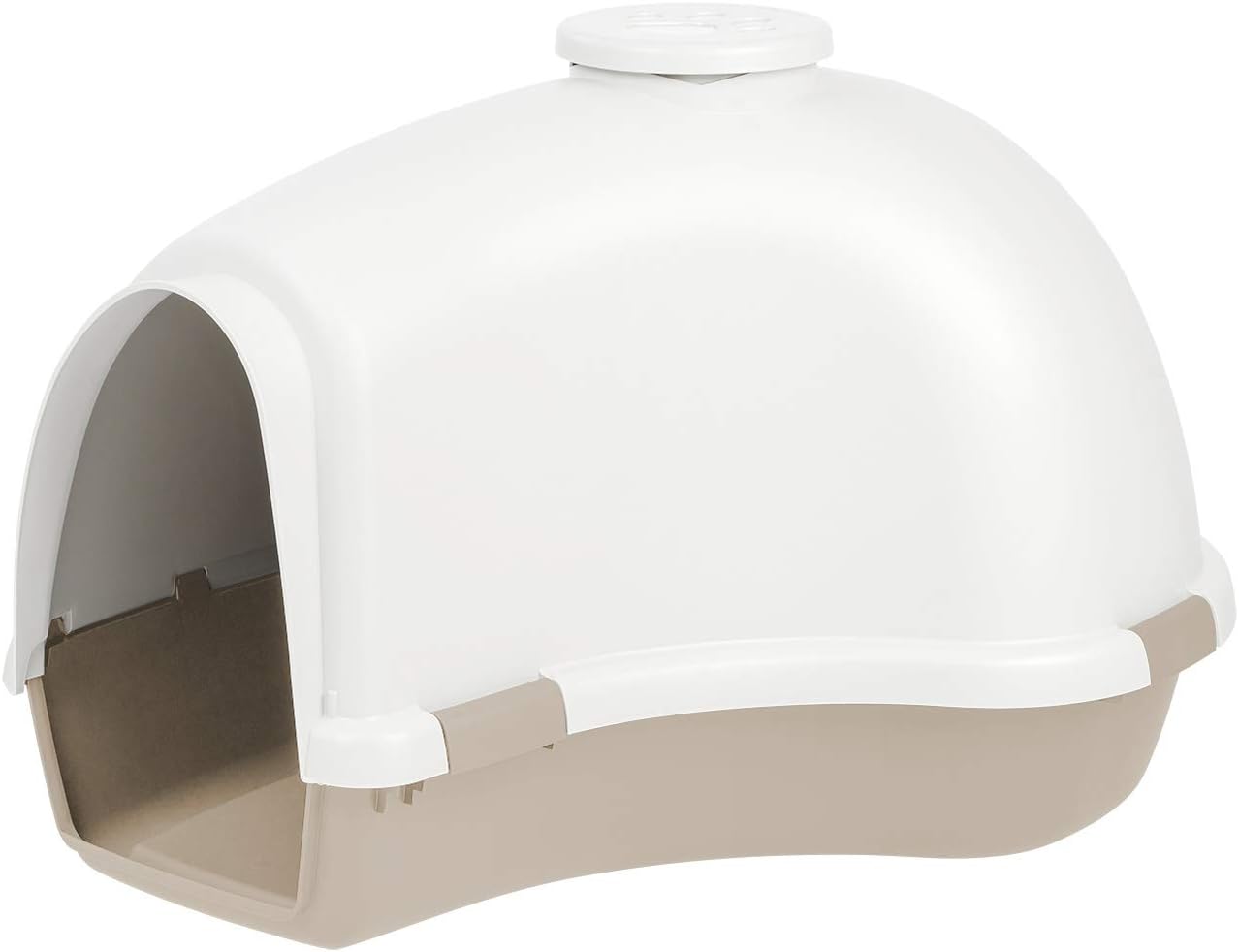
IRIS USA Igloo
The igloo’s dome traps a small pad’s warmth and deflects wind — the best-value home for a pad.
What we like
- Holds heat well
- Great value
The catches
- Small–medium dogs
Buying a solar dog house for winter is a narrower job than buying one for a mild fall. When the temperature falls below freezing, the panel-and-battery system, the insulation, and the bedding all have to work together to hold heat through long, dark, sub-zero nights — the exact hours a dog needs warmth most. This winter buyer’s guide walks the selection criteria that matter when it’s cold, the temperature thresholds that should drive your decision, and how to size a system to your climate. When you’re ready to shop specific models, our solar heated dog house roundup lists the best picks by dog size and climate.
Active vs passive solar: two ways to heat in winter
A solar heated dog house keeps a dog warm in one of two ways, and the best winter setups often combine both.
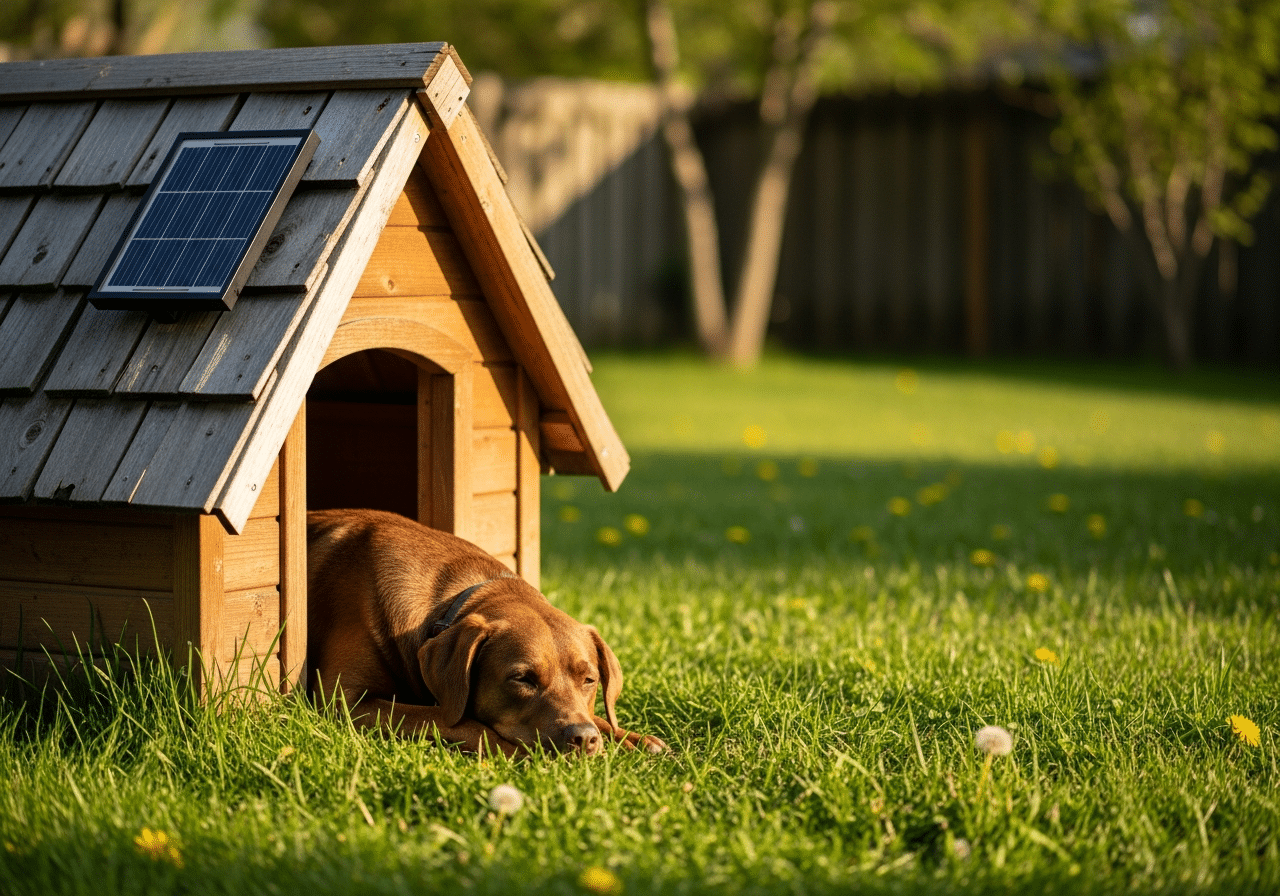
- Active solar — a roof-mounted solar panel (typically 100W monocrystalline) feeds a charge controller and a 12V deep-cycle battery, which runs a low-watt 12V DC heated pad on a timer or thermostat. The battery is what carries the heat through the night and through cloudy days, so its reserve is the single most important winter spec.
- Passive solar — a south-facing clear or polycarbonate panel lets daytime sun in, and thermal mass (a dark-painted concrete floor or rocks) stores that heat and radiates it back after dark. It adds free warmth with no wiring, but on its own it can’t hold a safe temperature through a hard freeze.
For a genuine winter — not just a chilly evening — you want active solar for guaranteed heat, with passive design and insulation stacking on top to stretch every watt. That combination is what separates a house that’s comfortable in November from one that’s still safe at 10°F in January.
Winter selection criteria: what to look for
These are the specs that decide whether a solar dog house actually performs once it’s freezing. Use this table as your winter shopping checklist — it’s where a mild-weather house and a true cold-climate house part ways.
| Criterion | Mild winter (above ~32°F) | True cold winter (below freezing) |
|---|---|---|
| Battery reserve | Smaller 12V battery; one cloudy day is fine | Larger deep-cycle battery sized for 2–3 sunless days |
| Panel wattage | ~50–100W keeps up | 100W+ mono to recharge through short, weak winter sun |
| Insulation | Basic walls | Rigid foam R-10 to R-15 in walls, floor & roof |
| Heated pad | Optional low-watt pad | Thermostatic 12V pad that holds a set temperature |
| Doorway | Open or light flap | Offset/baffled opening + heavy vinyl door flap |
| Floor | On the ground is okay | Elevated off the ground; insulated base |
| Bedding | Pad or mat | Straw (insulates, sheds moisture) — never blankets |
How cold is too cold? The thresholds that drive your choice
Pick a system around the temperatures your dog will actually face, not an average. These are the widely-cited canine cold thresholds:
- 45°F — caution. Small, senior, thin-coated and young dogs start to feel it. A simple insulated solar house with passive warmth is usually enough.
- 32°F — freezing. Hypothermia becomes a real risk for most dogs left out. You want active heat: a thermostatic 12V pad backed by a battery, inside an insulated, draft-free house.
- 20°F and below — life-threatening. For most dogs this is dangerous for extended exposure. Here the full winter build matters — R-15 insulation, a sized battery, a flapped doorway, straw bedding — and for the most extreme cold you should also read our keeping pets warm in sub-zero temps guide.
Whatever heater you add, the shelter has to do its job first. The Humane Society’s five ways to protect pets in winter set the baseline: a dry, draft-free, correctly-sized house, raised off the ground, with a covered doorway and dry bedding.
Insulation and bedding: the free half of warmth
The best heated house in the world leaks if the shell is poor, so insulation is an efficiency multiplier — it lets a smaller battery and pad do the same job. For winter, look for (or add) rigid foam insulation rated R-10 to R-15 in the walls, floor and roof, an elevated base so cold and damp don’t conduct up through the floor, and an offset or baffled doorway with a heavy vinyl or rubber flap to trap warm air. Keep a small vent to stop condensation, which can freeze and chill the interior.
For bedding, use straw — it insulates, traps body heat and sheds moisture. Never use blankets in an outdoor winter house: they absorb moisture, freeze, and draw heat away from the dog instead of holding it in. A thermostatic heated pad over a straw base is the warm, dry combination you’re aiming for.
Safety: cords, pads and the night-time question
Winter heat means electrical components in a chewing animal’s space, so a few safeguards are non-negotiable. Run any wiring through chew-proof conduit or steel shielding, use only pet-safe heated pads with an overheat/thermostat cutoff, and keep the whole system low-voltage 12V — solar’s natural advantage, since there’s no mains cord across the yard.
And the question everyone asks: do solar systems still heat at night? Yes — that’s the entire point of the battery. The panel charges by day; the stored charge runs the heated pad after dark. The disadvantage of a solar heating system is simply that a long stretch of dark, snowy days can outpace what the battery banked, which is why winter buyers size the battery generously and lean on insulation to reduce the load. For a worked example, our YobiLife solar dog house heater review shows how one kit balances panel, battery and pad.