 Dog Gear, Sized Right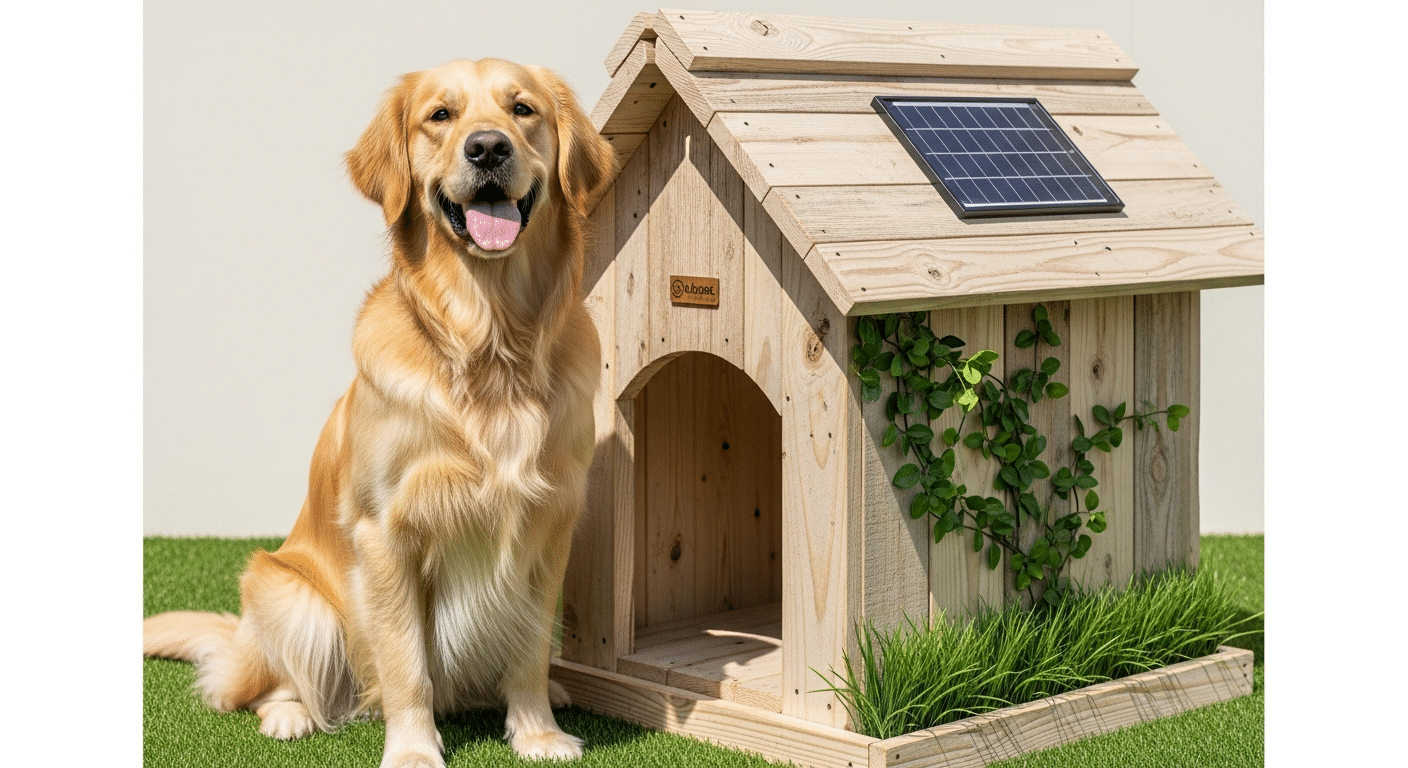
Solar Heated Dog Houses: A Healthier, Eco-Friendly Shelter
Warmth without fumes, fire risk or a humming heater — just clean, quiet radiant heat and non-toxic materials your dog can live in safely.
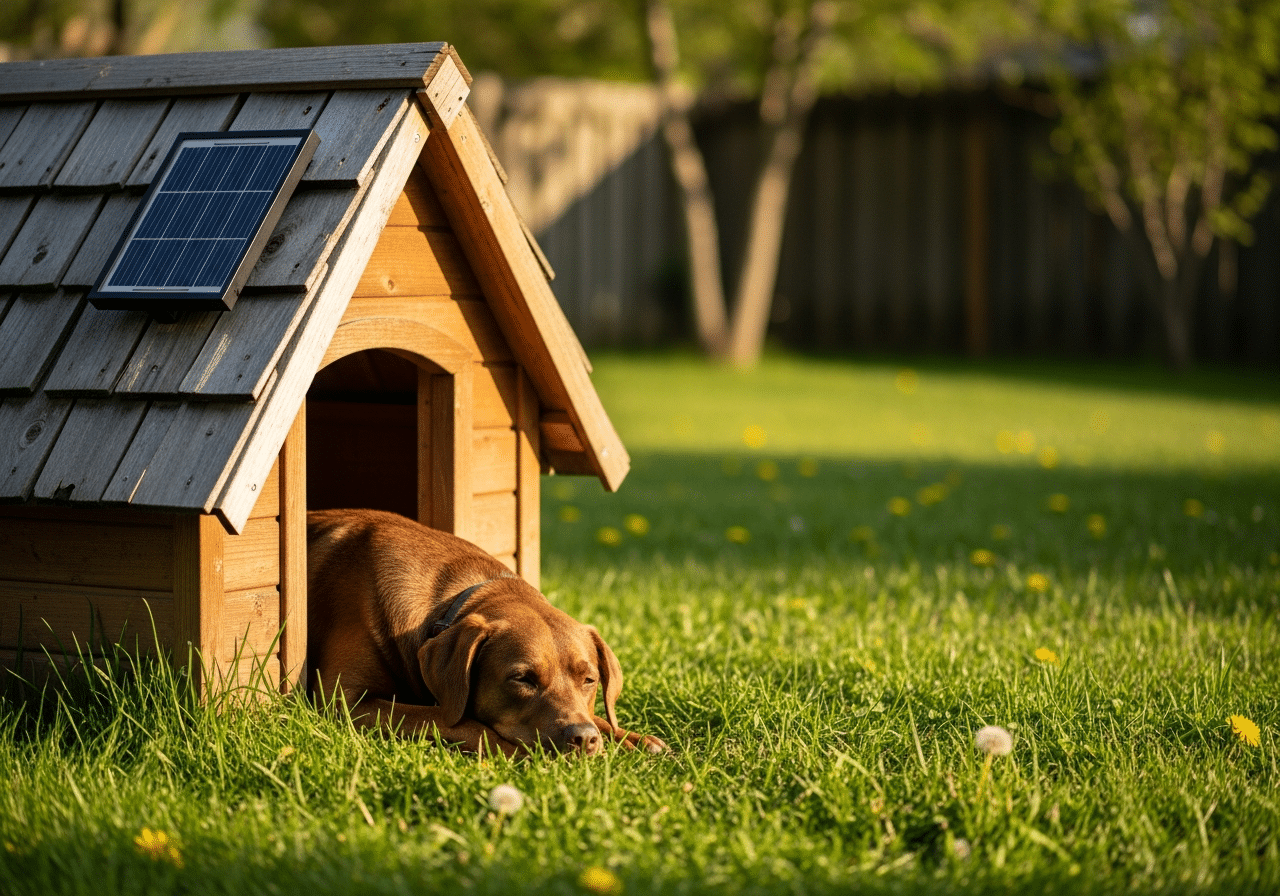
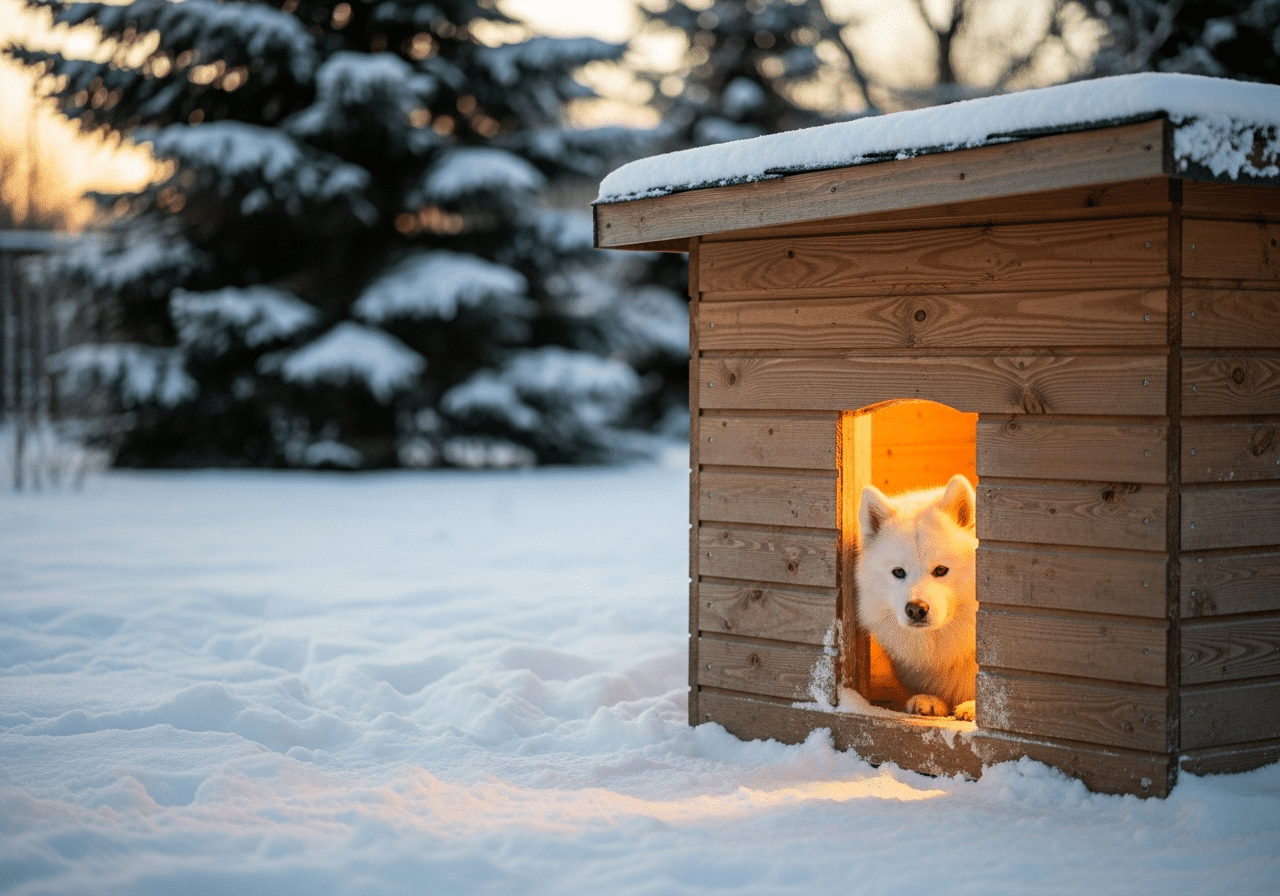
An eco friendly solar dog house isn’t just kinder to the planet — it’s often the healthier, safer way to keep an outdoor dog warm. Instead of a combustion heater or a mains-powered element, sunlight does the work: a solar panel and battery feed a low-voltage pad, or a passive sun-trapping design soaks up daytime heat and radiates it back at night. The result is gentle, quiet warmth with no fumes, no carbon-monoxide risk and no scorching hot surfaces — paired with natural, non-toxic materials. Here’s why that combination matters for your dog’s health, and how to choose one that actually delivers it.
Why a solar heated dog house is the healthier choice
Most ways of heating a dog house carry a hidden health cost. Propane and kerosene heaters burn fuel, which means combustion fumes and a real carbon-monoxide (CO) risk inside a small, enclosed shelter — a danger the experts repeatedly warn against for confined animal spaces. Mains-powered heaters add hot surfaces, chewable cords and the fire risk that comes with them. A well-designed eco friendly solar dog house sidesteps all of that.
Because the heat comes from a low-voltage 12V pad or from passive sun-warmed thermal mass, there is nothing to combust and nothing to inhale. The warmth is radiant and even — closer to lying on sun-warmed ground than sitting beside a glowing element — so there are no hot spots that can dry skin or scorch a curious nose. And a solar system runs silently, which matters more than owners expect: a constant fan or heater hum stresses noise-sensitive dogs and can keep anxious sleepers awake.
| Health & safety factor | Fuel-burning heater | Solar heated dog house |
|---|---|---|
| Combustion fumes / CO risk | Yes — dangerous in enclosed shelters | None — nothing burns |
| Fire & burn risk | Open flame / very hot surface | Low-voltage, low surface temperature |
| Noise | Fan / burner hum | Silent |
| Materials in contact with dog | Varies; often plastics | Natural, non-toxic options |
| Air quality inside | Reduced by exhaust | Unaffected |
Gentle, quiet radiant warmth — not a hot box
The goal of any winter shelter is a stable, comfortable micro-climate, not a sauna. Solar systems are naturally suited to this: a thermostatically controlled 12V deep-cycle battery feeding a low-watt heated pad delivers a steady floor temperature, while a passive design simply re-radiates the day’s stored heat. Both produce the kind of gentle radiant warmth dogs instinctively seek out — warm from below, easy to move toward or away from, with no roaring heat source to overwhelm a small or thin-coated dog.
Non-toxic, sustainable materials your dog actually lives in
The “eco” in an eco friendly solar dog house is about more than the energy source — it’s about what your dog breathes and lies against every night. The healthiest builds pair clean solar power with natural, non-toxic materials:
- Untreated or FSC-certified timber — avoid pressure-treated lumber, which can off-gas and is toxic if chewed.
- Low-VOC, pet-safe sealants and finishes — protection without harsh fumes inside the shelter.
- Recycled or wood-plastic composite panels — durable, rot-proof and made from reclaimed content.
- Rigid foam insulation (R-10 to R-15) sealed behind panels — keeps heat in so the solar system barely has to work.
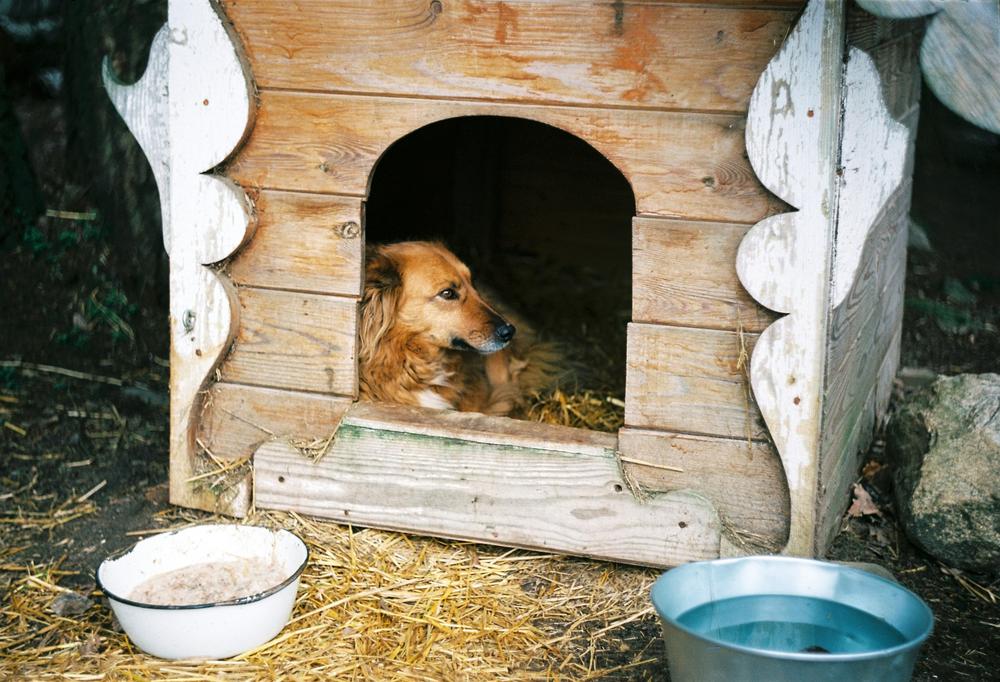
- Clean straw bedding — it insulates and repels moisture; never use blankets, which trap damp and draw heat away.
Natural wood is also a far better insulator than bare plastic, so it holds the sun’s warmth longer and keeps the structure comfortable with less stored battery power. For owners in genuinely harsh winters, our guide to solar heated dog houses for cold climates covers how to combine these materials for sub-freezing conditions.
How the warmth is generated — active vs passive solar
There are two clean ways to heat the shelter, and the healthiest builds often blend them:
Active solar uses a solar panel → charge controller → 12V deep-cycle battery → low-watt heated pad, with a thermostat so the pad only warms when needed and the battery isn’t drained. It works through the night because the battery banks the day’s energy. Passive solar needs no electronics at all: a south-facing clear or polycarbonate panel lets sunlight in, and dark thermal mass (painted stone or a concrete floor) stores that heat and radiates it back after dark. Layering both gives you free daytime warmth and a reliable, fume-free top-up overnight.
This is the same eco-first thinking behind the wider silo — see why solar heated dog houses are the future for where the technology is heading.
Safety details that protect your dog
A healthy solar setup is also a safe one. Keep the system low-voltage (12V), run any wiring inside chew-proof conduit or steel shielding, and choose pads with a built-in thermostatic overheat cutoff. Elevate the house off cold ground, add a baffled or flapped doorway to block wind, and ventilate enough to stop condensation — damp is the real enemy in winter. Match the warmth to the weather, too: 45°F is the caution line for small, senior or thin-coated dogs, 32°F brings freezing and hypothermia risk, and below 20°F outdoor time should be strictly limited for most breeds.