 Dog Gear, Sized Right
Dog Nutrition
Animal nutrition principles for feeding pets continue to develop. An example of how far we have come issues what we veterinarians, 30 years earlier, used to call “All Meat Dogs.” These pathetically sick and dying canines were being available in clinics all over the United States, thin, weak, with hair loss and metabolic imbalances as a direct outcome of eating a nationally marketed “All Meat” canned pet dog food.
Almost everyone at that time thought that because dogs were carnivores (technically omnivores), “all meat” diet plans should be the best thing for them! If fed 100% meat for prolonged periods, we understand now that pet dogs can not endure.
They consider that family pet food makers’ knowledge has altered, and they now make some correctly developed foods. For the family pet food buyer, and worse for the pet dog, there are various brand names of foods available throughout the United States that, regardless of what the label might claim, are NOT an excellent source of nutrition for your pet.
Throughout my thirty years of veterinary practice, I have often been distressed by the poor condition in which I see a few of my canine clients due to inferior quality diet plans that the owner truthfully thinks to be adequate. In good faith, the dog owner assumes that considering that the pet dog food label declares “well balanced and total,” “premium,” “high protein,” and so on, their pet dog will instantly do simply great if that’s all it is fed.
The owner unwittingly will feed an insufficient diet because of misleading or unclear pet food labeling. And it might be years before the FDA needs more stringent standards for canine food makers to follow so that deceptive, unclear, and sometimes bogus labeling practices no longer confuse or trick the purchaser.
I could put together a “high protein” canine food where the protein is made up of an indigestible compound such as plumes, conceal, or hoofs. Sure, the protein level by analysis might be high (and even the professionals don’t agree regarding what quantity qualifies as “high” protein level in a food); however, if the canine’s gastrointestinal system is unable to break the protein molecules down into amino acids and then soak up and make use of those amino acids, the diet plan is worthless as a food source for the pet dog!
“high protein” on the label suggests absolutely nothing; you’ve got to read the ingredients label to see if the source of protein is digestible.
It’s an excellent concept to check out the pet food label to see if the declaration of its viability is documented either by analysis or through feeding trials as specified by AAFCO (Association of American Feed Control Officials). You should have much greater self-confidence in the diet’s dietary worth if feeding trials on live dogs have been done instead of the diet plan having been designed on paper only and, for that reason, formulated by analysis.
Did you understand that even if the pet food label states that the active ingredients are X, Y, or and Z, there may not be any X, Y, or Z in the food? The practice of replacement of one or more components is a higher possibility if you buy that food from a small regional mill or if the food is of a generic range.
On the other hand, some animal food producers will substitute ingredients and not alter the label to reflect what you’re purchasing truly. The rate and accessibility of raw components alter from day to day. The less ethical manufacturer will then replace one ingredient for another to keep production expenses minimal. They wish to make that food as inexpensively as possible! And changing the label to reflect the component change is not needed immediately.
Purchase The top Dog Food.
Dog Nutrition Reviews
Best Hands-Free Dog Leash for Running & Hiking (2026)
Dog Leashes & Leads · Updated January 2026Best Hands-Free Dog Leash for Running & Hiking (2026)The right hands-free leash lets you run, hike and scramble with your dog without holding a handle, and without your shoulder taking the hit every time they lunge. Here are the two best hands-free (waist-belt) dog leashes verified for 2026, plus exactly how to choose between them.Updated January 202610 min [...]
Best Dog Bed for a Boxer
Boxer Gear · Updated January 2026Best Dog Bed for a BoxerA Boxer is a lean, muscular 50 to 70 lb dog with a short single coat, which means little natural padding over its joints and a real liking for a warm, soft place to land. Here are the orthopedic, correctly-sized, washable beds that suit the breed, ranked, in stock, and sized right.Updated January 202611 min [...]
How to Stop a Dog Eating Too Fast (and Why It Matters)
Feeding & Bowls · GuideHow to Stop a Dog Eating Too Fast (and Why It Matters)Nine practical fixes, from maze bowls to muffin tins, that actually work.Updated January 20269 min readVet-aware, no fluff MLReviewed by the My Little & Large team•Updated January 2026•How we test →✓ Specs verified, not marketing copy✓ Little & large tested✓ Honest, no paid placementsIf your dog hoovers their dinner in [...]
Best Chew Toys for a Boxer (Durable & Fun)
Boxer Gear Guide · Updated January 2026Best Chew Toys for a Boxer (Durable & Fun)Boxers are athletic, play-mad and chew like they mean it, a flimsy toy is shredded in minutes and a rock-hard one can crack a tooth. These are the four toys we trust to survive a Boxer's jaws and burn that famous energy, ranked, with the right size and safety notes.Updated January [...]
Boxer Gear Guide: Essential Supplies for an Energetic Working Breed
Breed Gear Guide · Updated December 2025Boxer Gear Guide: Essential Supplies for an Energetic Working BreedEverything a Boxer owner actually needs, harness, crate, bed, toys, bowls, leash, grooming and a cold-weather coat, with one hero pick per category and links to our full deep-dive guides. Gear chosen for a flat-faced, heat-sensitive, high-energy working breed.Updated December 202512 min readHarness · Crate · Bed · Toys · [...]
Best Harness for a Boxer (No-Pull Picks & Sizing Chart)
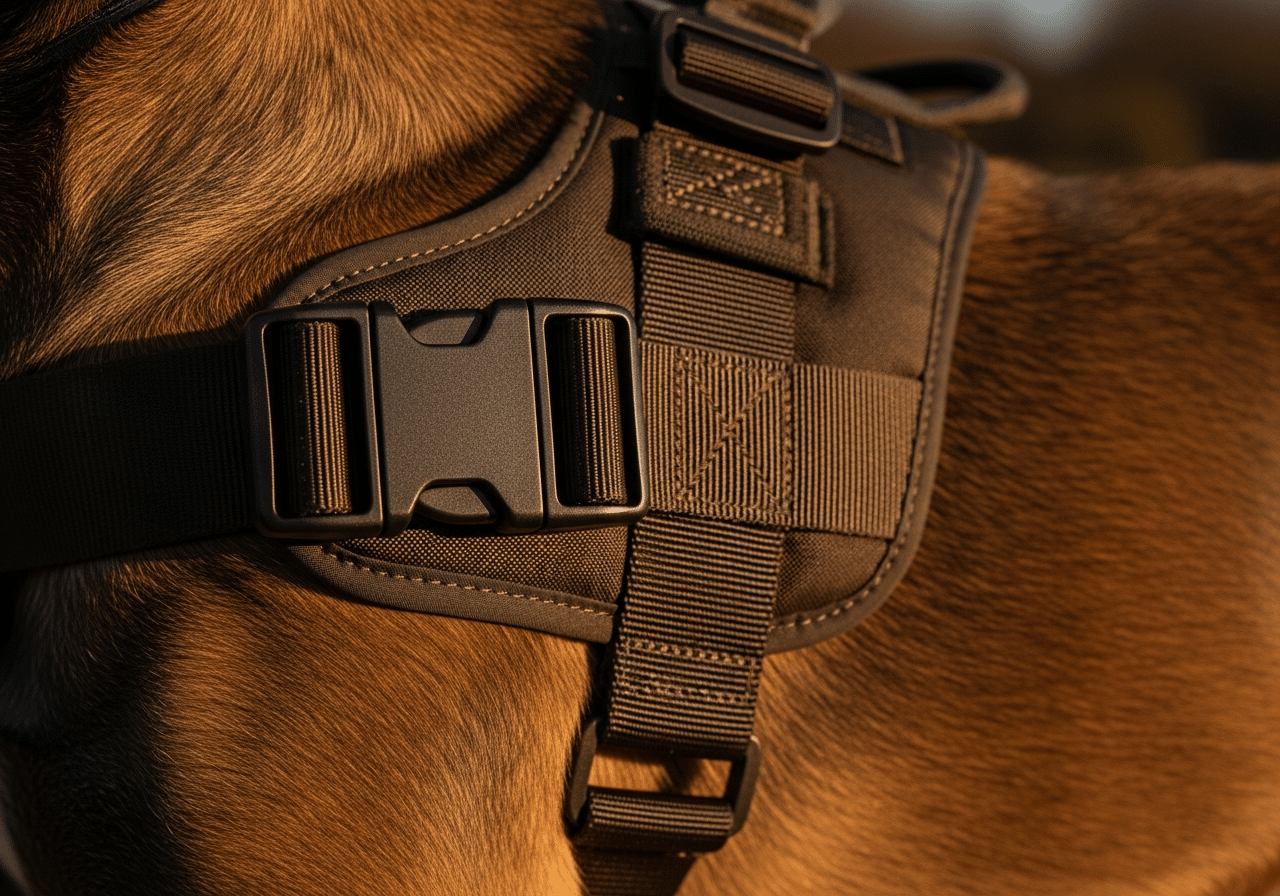
Boxer Gear · Updated December 2025Best Harness for a Boxer (No-Pull Picks & Sizing Chart)Boxers are short-snouted, so a harness, not a collar, protects their airway, and a front-clip no-pull design is the priority. Here are the best no-pull harnesses for a Boxer, plus the chest-girth sizing chart every other guide leaves out.Updated December 20259 min readSized for 50 to 80 lb Boxers MLReviewed by [...]