 Dog Gear, Sized Right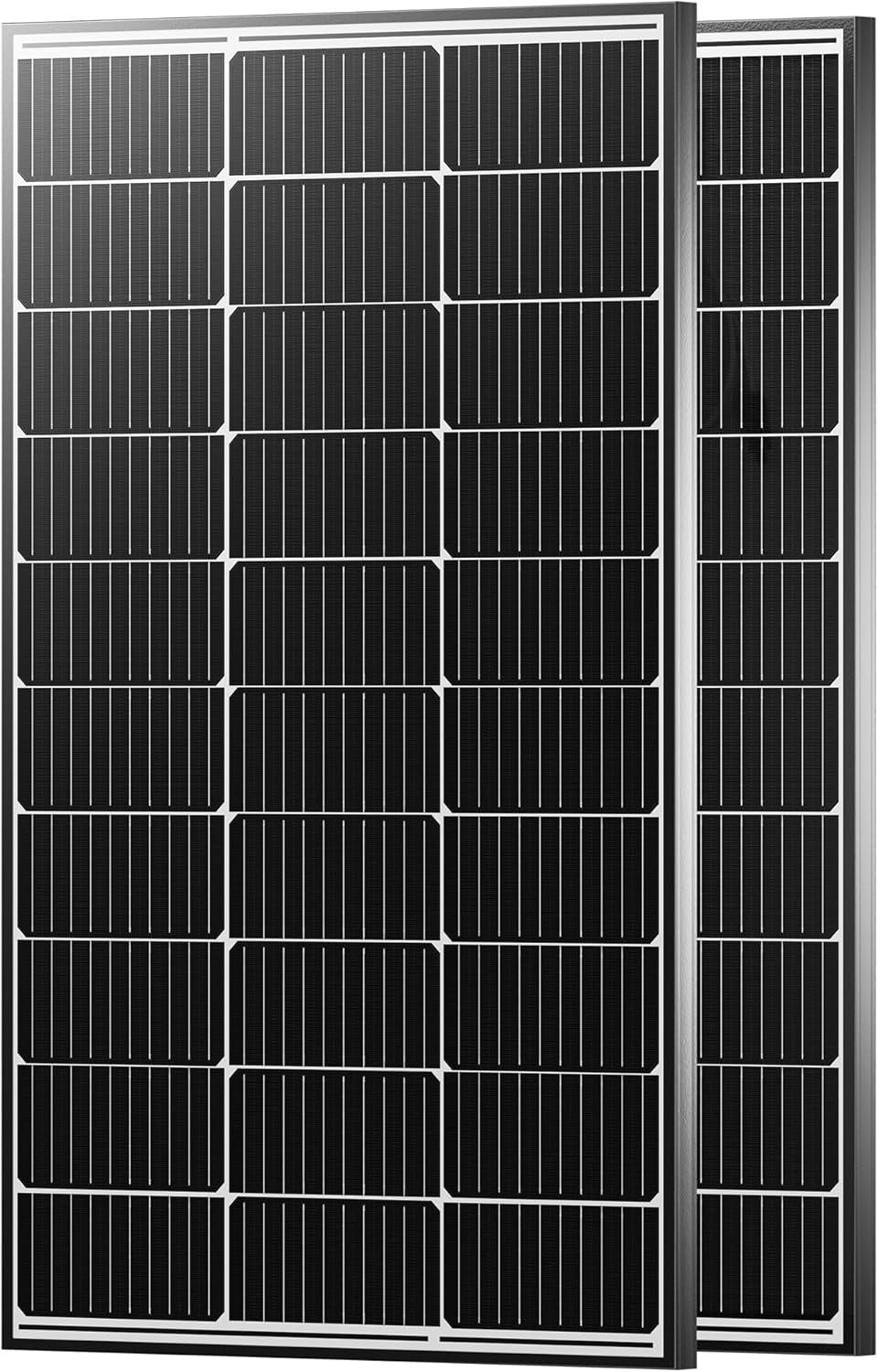
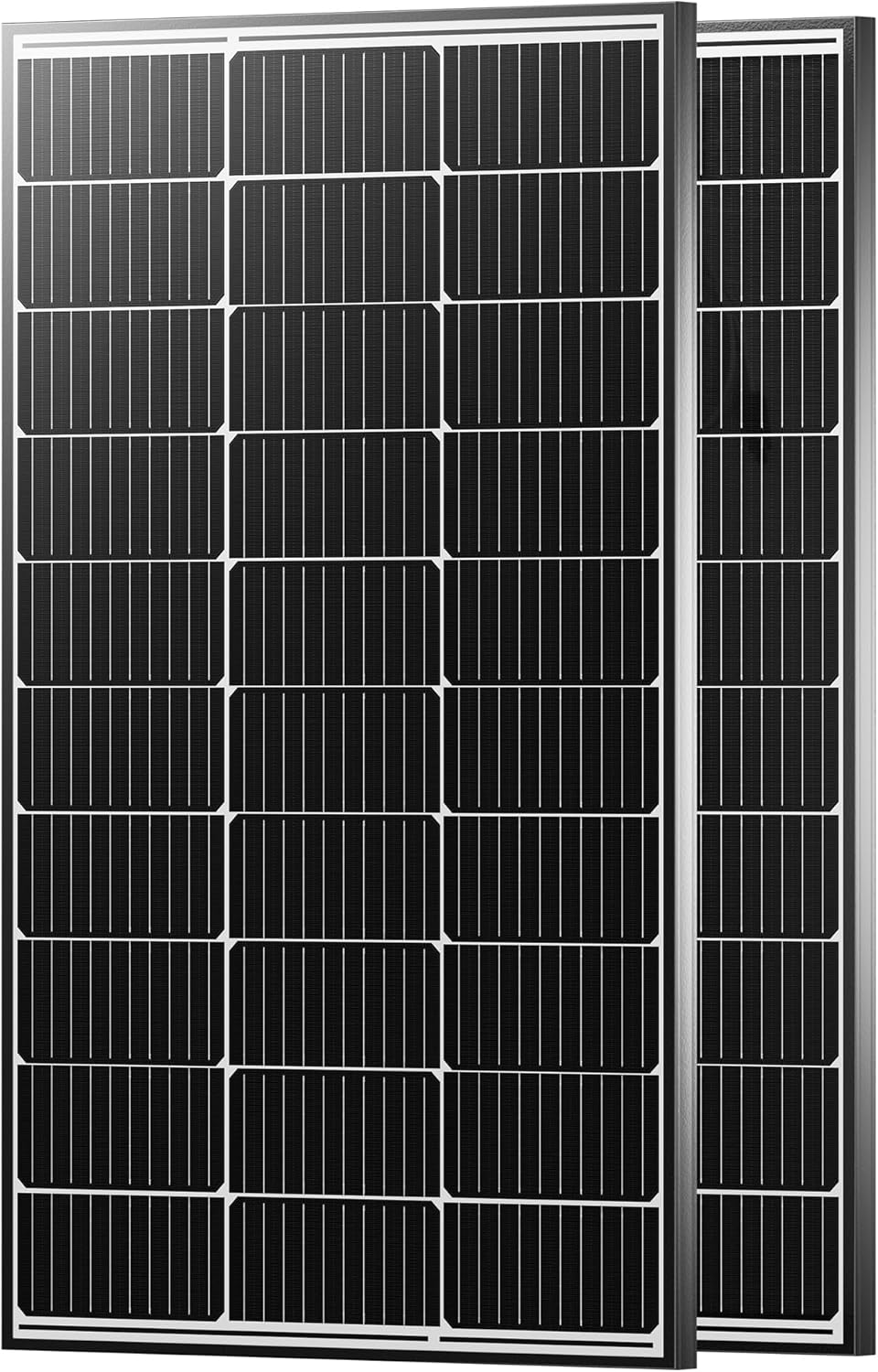
JJN 100W Solar Panel Kit
Two real 100W monocrystalline panels, 200W total at 23% efficiency, that give an off-grid heated dog house the daily charge a tiny trickle panel never can. Our pick for dependable winter solar, as long as you pair it with a battery and a charge controller (sold separately).
JJN 100W Solar Panel Kit at a glance
| Type | Monocrystalline rigid solar panel kit (2-pack) |
|---|---|
| Wattage | 2 × 100W (200W total system) |
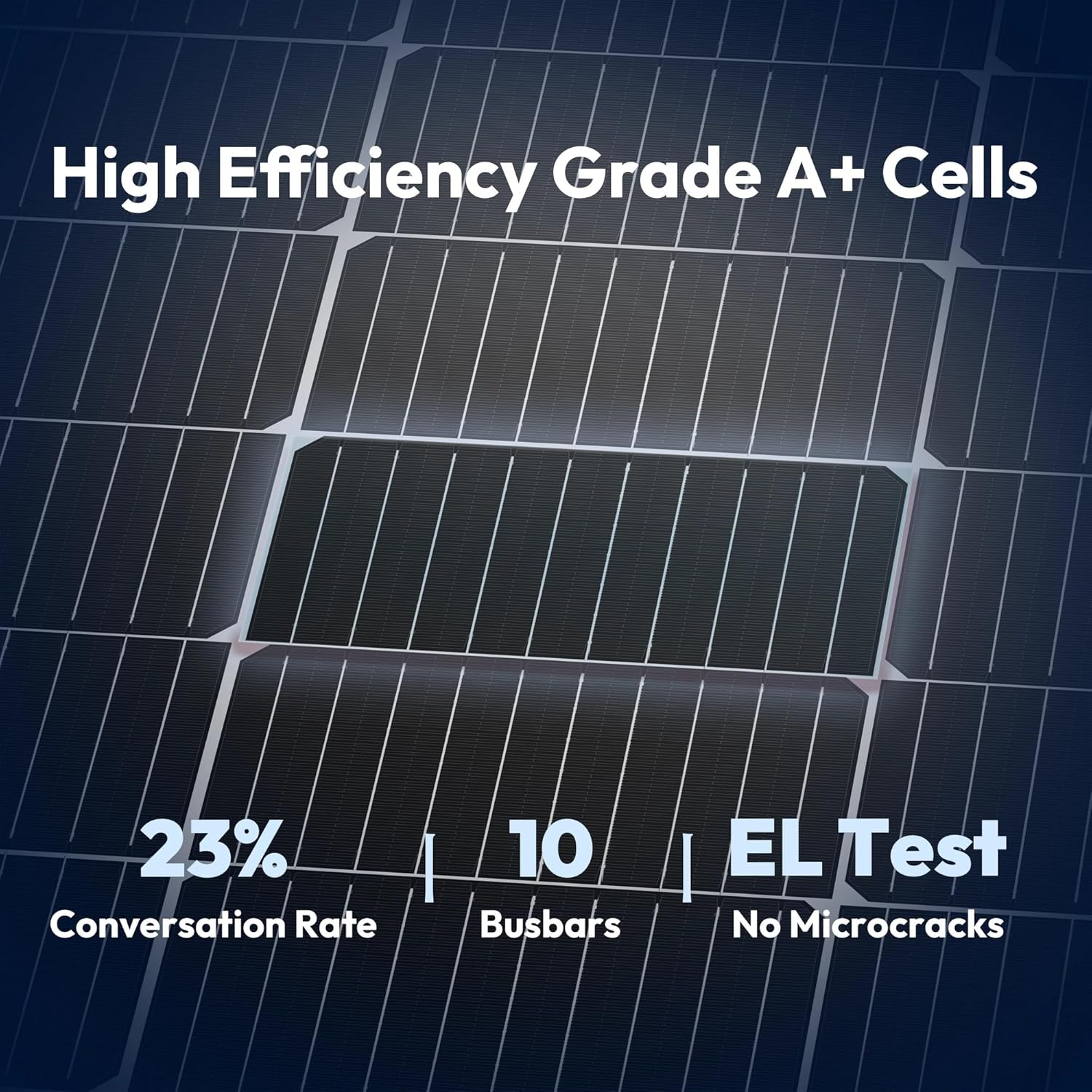
| Efficiency | 23% high-efficiency Grade A+ cells, 10 busbars |
| Output | 17.5V working voltage · 6.42A · 20.8V max |
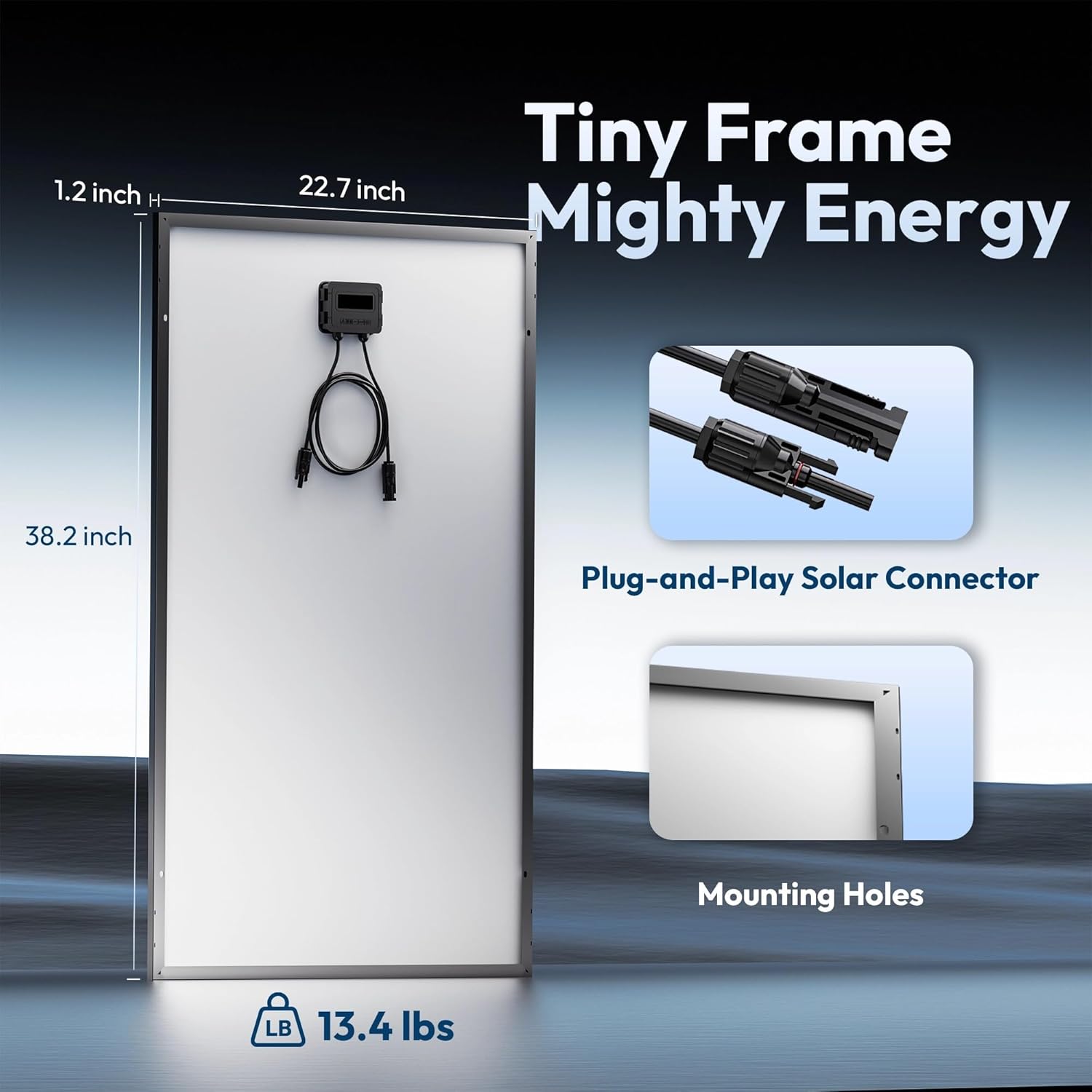
| Panel size | 38.2″ × 22.7″ × 1.2″ each · 13.4 lb per panel |
| Frame & glass | Corrosion-resistant aluminum frame, tempered glass, pre-drilled holes |
| Weatherproofing | Outdoor-rated PV module; plug-and-play MC-style connectors |
| Battery & controller | Not included, add a 12V battery + charge controller |
| Warranty | 30-year transferable power-output warranty |
| Price | ~$95 (last check) |
Who it’s for
This kit is for one job in particular: keeping a solar-heated dog house running off-grid through winter, where a heated pad has to draw real power overnight and the shed or yard has no outlet.
- Great fit: an off-grid or far-from-the-house dog house with a heated pad you want running on stored solar
- Great fit: anyone who’s been disappointed by a 10 to 20W trickle panel that can’t keep a battery topped up in winter
- Skip it if: you have a power outlet right at the dog house, a plug-in heated pad is simpler and cheaper
- Skip it if: you only need a token trickle charge for a tiny load and don’t want a battery in the loop
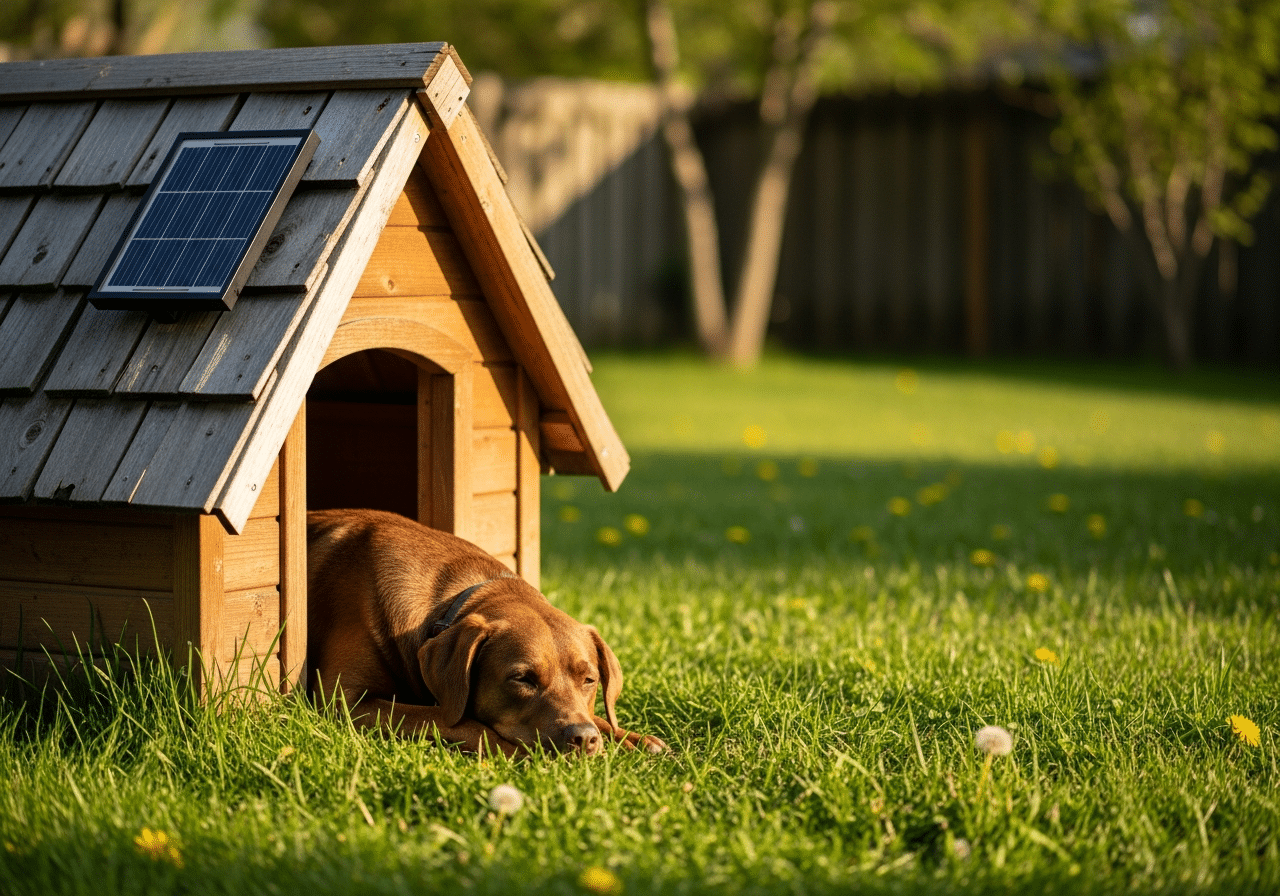
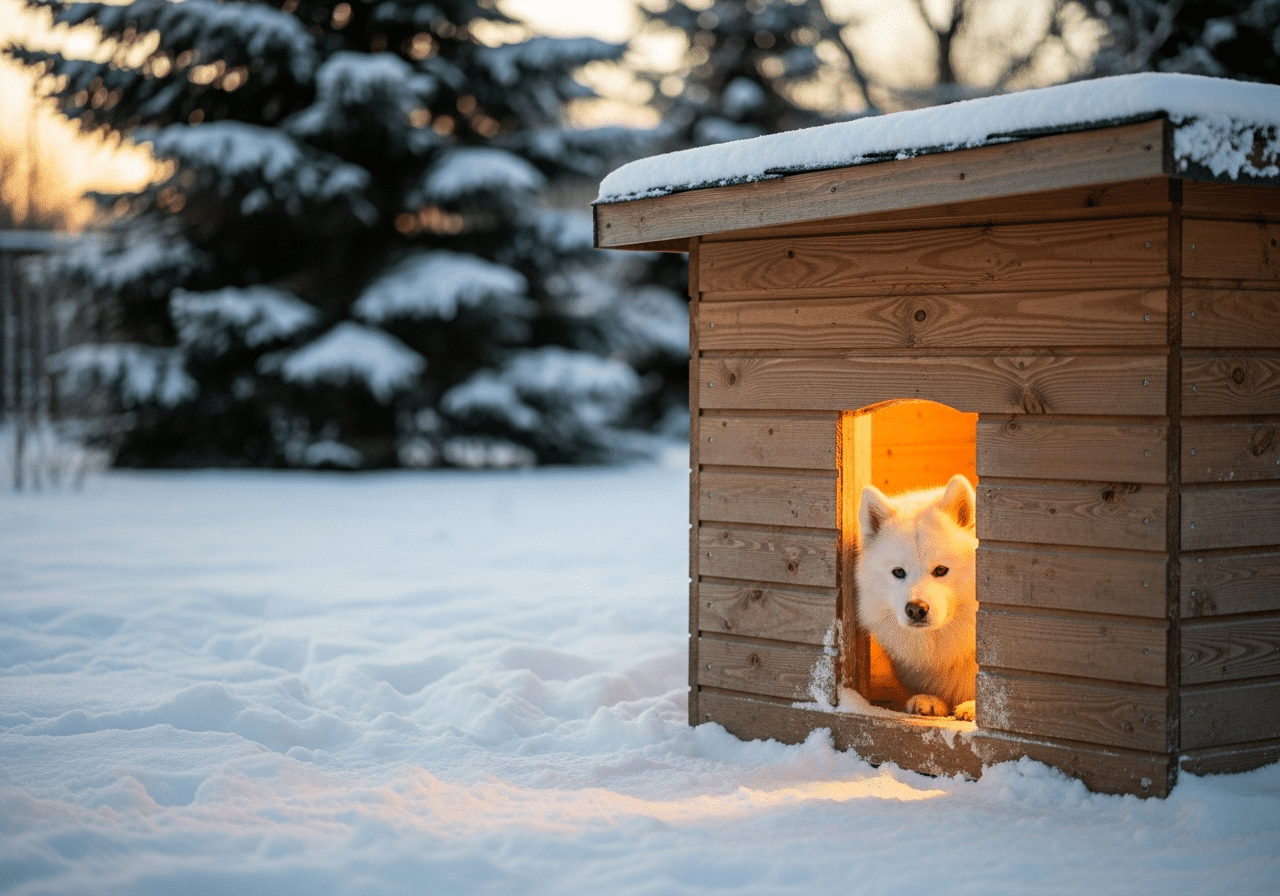
If a powered shelter is more your situation, our heated dog house picks cover plug-in options, and the solar-heated guide shows how the whole system fits together.
Why 100W (and not a trickle panel)
The reason most DIY solar dog houses fail in winter is simple: the panel is too small. A 5 to 20W trickle panel is fine for keeping a car battery from self-discharging, but a heated pad pulls 15 to 60W whenever it’s on, and on a cold night it’s on a lot. A trickle panel can’t put back what the pad takes out, especially in December, when you get short days, low sun and frequent cloud.
Two 100W panels change the math. At 200W of nameplate power and 23% efficiency, this kit can bank a meaningful charge even on a thin winter afternoon, then let the battery carry the pad through the night. That headroom, power to spare on good days to cover the bad ones, is exactly what a dependable off-grid heater needs, and exactly what a tiny panel can’t give you.
Sizing the system: battery & controller
Be clear on one thing before you buy: the panels are only one-third of the system. JJN ships the PV modules only, no battery and no charge controller, so you’re building the rest:
- Charge controller: a PWM or (better) MPPT controller sized for ~200W. It protects the battery and squeezes more out of the panels in cold, low light.
- Battery: a 12V deep-cycle battery. LiFePO4 or AGM, sized to carry the pad overnight plus a cloudy-day reserve. A 50 to 100Ah battery is a common starting point.
- Wiring & fuses: correctly gauged cable and an inline fuse between battery and controller.
None of that is exotic, but it’s real planning and real extra cost. Budget for the full kit, not just the $95 panels, or you’ll have 200W of glass with nowhere to send it.
Mounting & winter sun
Each panel is 38.2″ × 22.7″ × 1.2″ and about 13.4 lb, with a corrosion-resistant aluminum frame and pre-drilled holes, so mounting on a shed roof, a frame or a south-facing wall is straightforward. Two of them is a real footprint, though, plan the location before you order, because this is not something you tuck onto the dog house roof like a little trickle panel.
Placement matters more than wattage in winter. The same panel can double or halve its daily output depending on angle and shade, so aim it true south and tilt it steeply for the low winter sun.
Setup
Physical setup is the easy part. The panels themselves are genuinely close to plug-and-play:
- Pre-drilled aluminum frame, bolt to a roof, ground mount or wall bracket
- Plug-and-play connectors, standard MC-style leads to wire the pair together
- Then the system work: panels → charge controller → battery → heated pad, with a fuse in line
If you’ve wired a basic 12V circuit before, it’s an afternoon. If you haven’t, the panels won’t be your hurdle, the controller and battery wiring will, so read your controller’s manual and double-check polarity before you connect the battery.
Value
At around $95 for 200W of monocrystalline panels backed by a 30-year power-output warranty, the panels themselves are good value, the cost-per-watt is well in line with name-brand 100W panels, and the 23% Grade A+ cells aren’t a corner-cut spec.
The honest caveat is the total system price. Once you add a controller, a battery and wiring, you’re spending well past the panel cost, so the real question isn’t “is $95 cheap?” but “do I actually need off-grid power?” If you have an outlet at the dog house, you don’t. If you don’t, this is the right size of panel to build around, and a far better bet than trying to limp through winter on a trickle charger.
For a genuinely off-grid solar-heated dog house, the JJN 100W kit is the panel to build around: 200W and 23% efficiency give you the winter headroom a trickle panel never will. Just go in knowing you’re buying one-third of a system, budget for a battery and charge controller, plan the mounting footprint, and aim the panels at the low winter sun. Do that, and the heated pad stays warm all night.
Pros & catches
What we like
- 200W of real power (2 × 100W), winter headroom a trickle panel can’t match
- 23% efficiency Grade A+ monocrystalline cells, EL-tested
- Corrosion-resistant aluminum frame, tempered glass and pre-drilled holes
- Plug-and-play connectors make wiring the pair simple
- 30-year transferable power-output warranty
The catches
- Needs a battery + charge controller (not included)
- Larger mounting footprint than a trickle panel, plan the location
- Total system cost runs well past the $95 panel price
- Overkill if you have a power outlet at the dog house