Dog Gear, Sized Right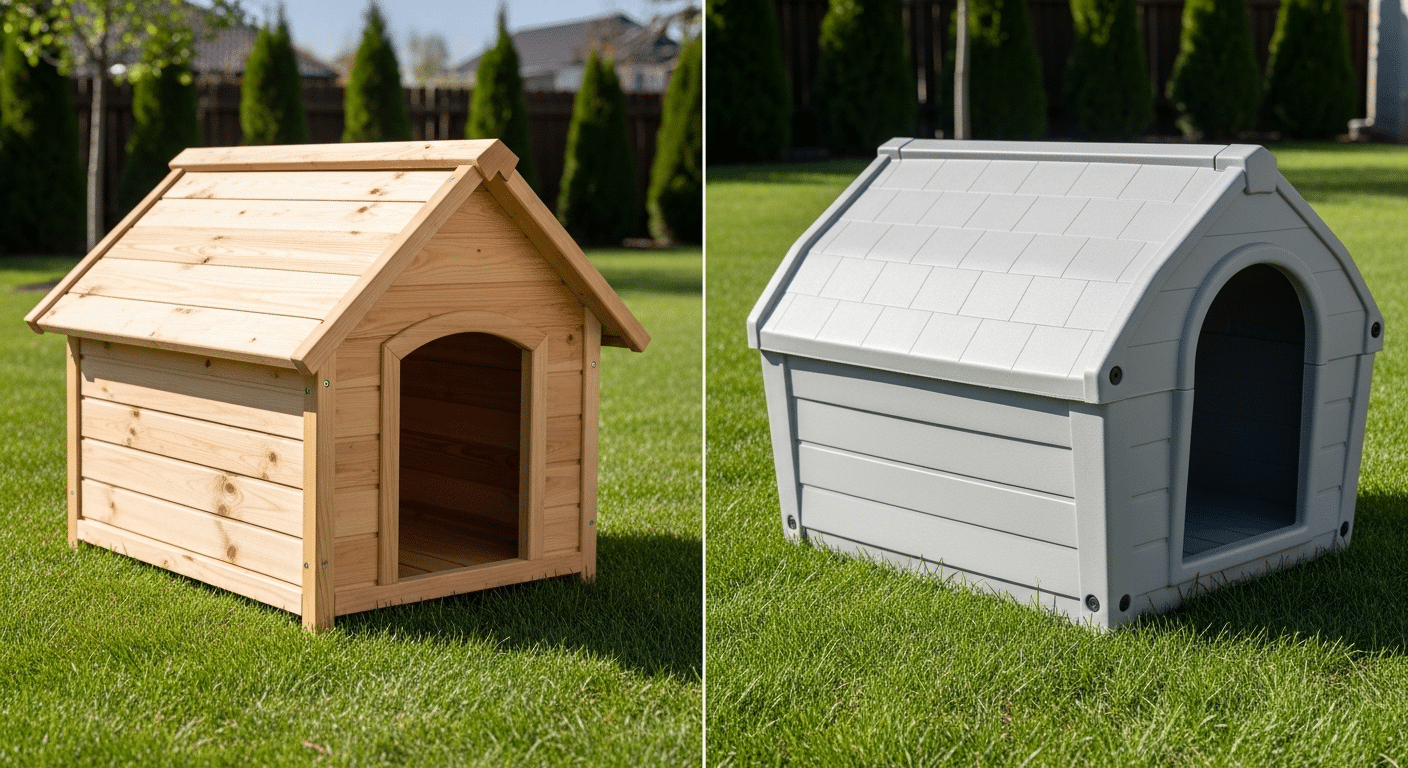
Is Plastic or Wood Better for a Dog House?
Wood insulates and looks better; plastic is weatherproof and zero-maintenance. Here’s exactly when each one wins — and the catches nobody mentions.
It’s the first question most owners ask, and the honest answer is “it depends on your climate and how much upkeep you want.” Wood and plastic each win in different situations — so instead of crowning one champion, here’s a clear, side-by-side breakdown of how they compare on the things that actually matter: warmth, durability, maintenance, safety, cost and looks.
Plastic vs. wood: the short answer
If you want the 10-second version:
| If you want… | Choose |
|---|---|
| Natural insulation & a handsome look | Wood |
| Zero maintenance & total weatherproofing | Plastic |
| Cold-climate warmth (with a bit of upkeep) | Wood (or insulated wood) |
| Easy cleaning & a lower price | Plastic |
| Best of both, low upkeep | Structural foam / composite |
Now the detail behind each of those calls.
Insulation & temperature
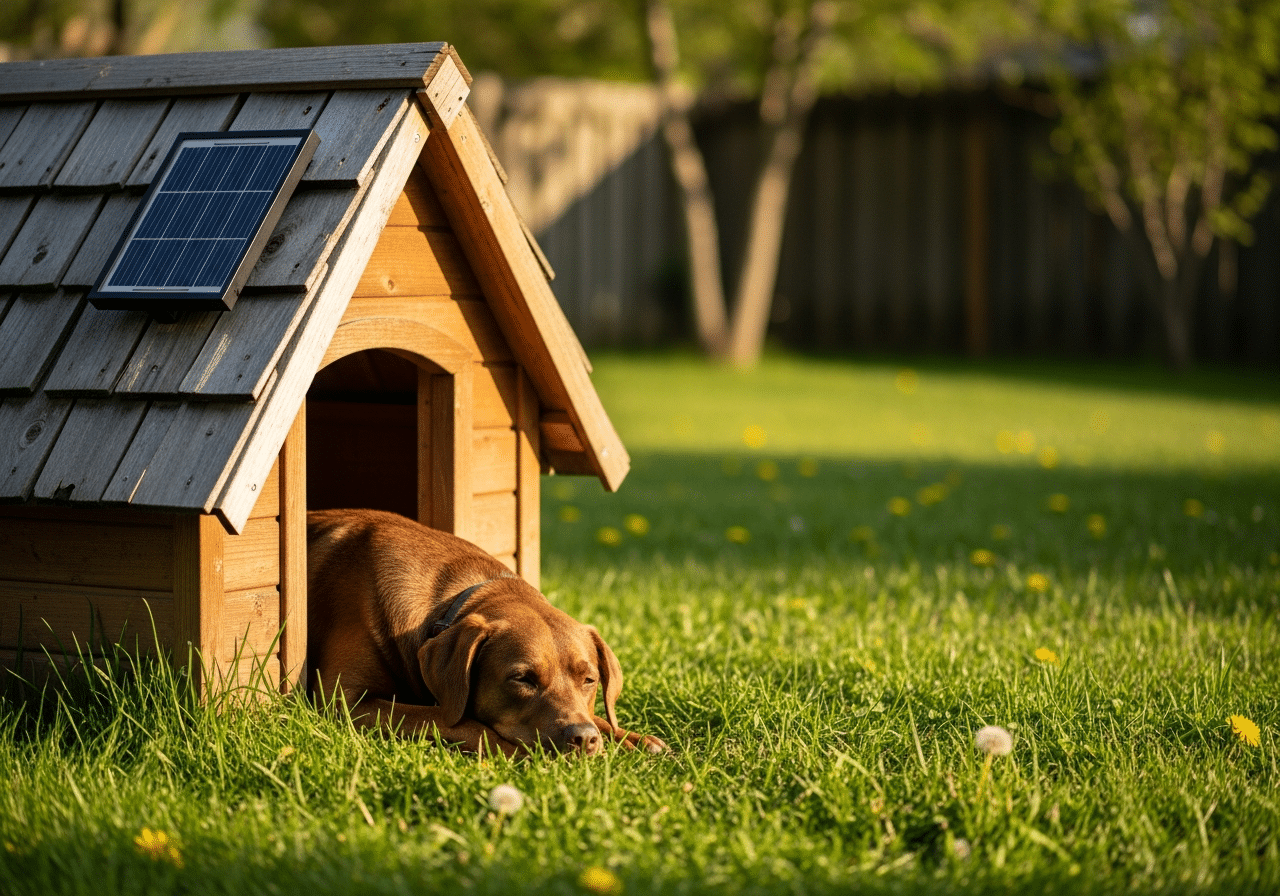
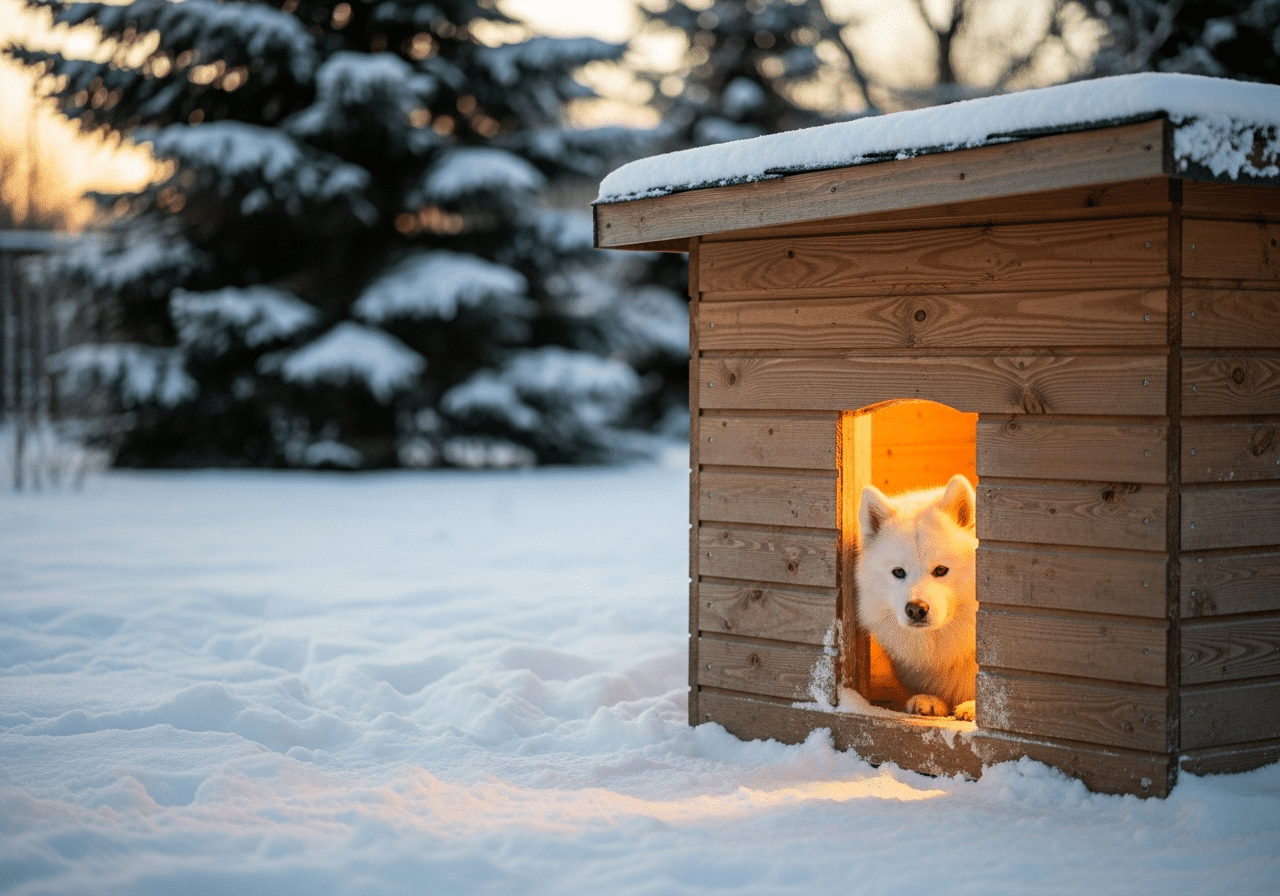
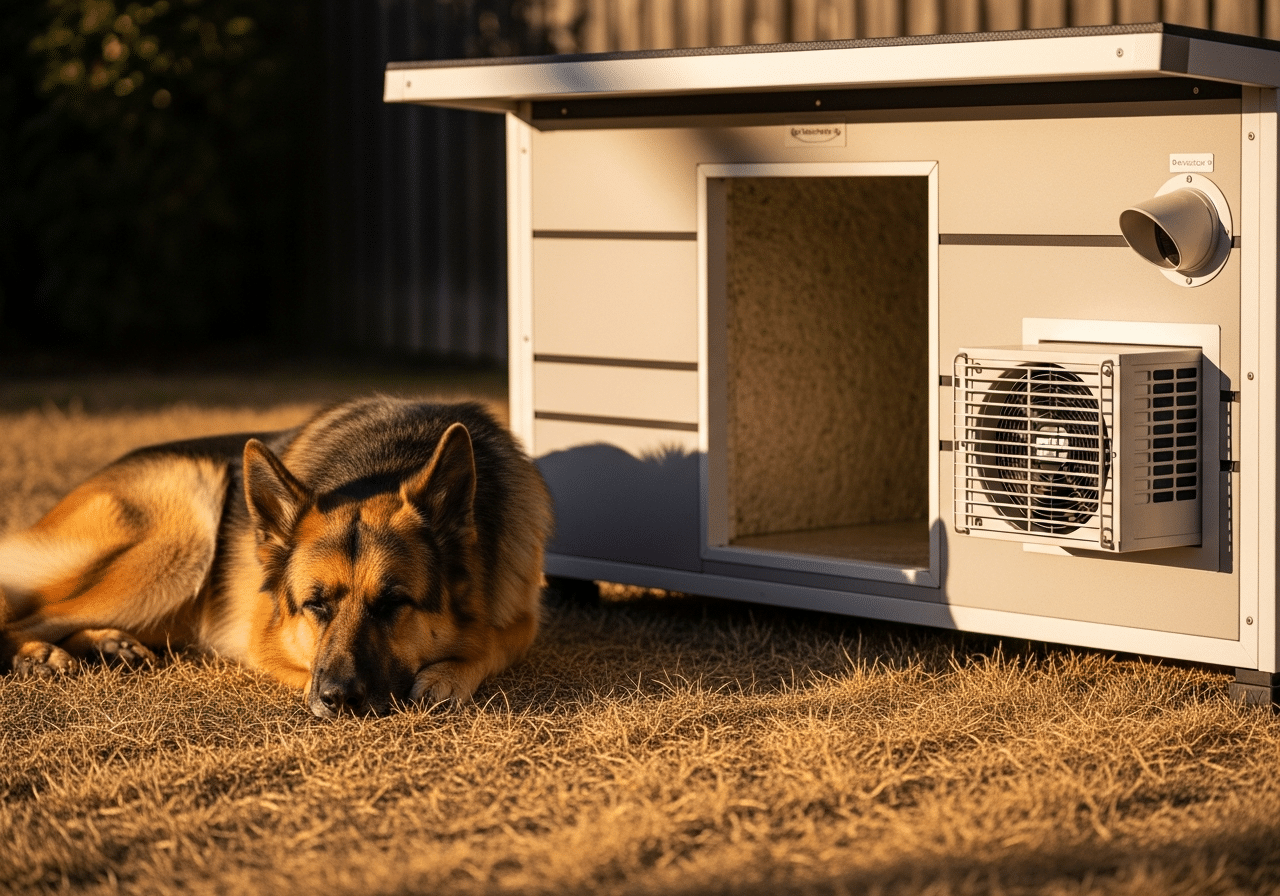
Wood is a natural insulator — it slows heat moving in or out, so a wooden house stays warmer in winter and cooler in summer with no help. Plastic, by contrast, conducts temperature more readily: a bare plastic house heats up fast in the sun and loses warmth quickly on a cold night. That doesn’t make plastic a bad choice in mild climates, but in a real winter, wood (or an insulated house) holds heat far better. Either way, an insulated floor and a raised base matter as much as the walls.
Durability & weather resistance
This one flips. Plastic and resin are nearly indestructible against the elements — they won’t rot, rust, fade or absorb water, and they shrug off rain and UV for years. Wood is plenty durable too, but only if it’s maintained: left unsealed, it can grey, warp, splinter or rot where water sits. A well-built, sealed wooden house lasts a very long time; a neglected one does not.
Maintenance
No contest here — plastic wins on upkeep. It hoses out and wipes clean, never needs sealing, and resists odors and mildew. Wood asks for a little love: an annual coat of pet-safe sealant or stain to keep water out of the grain.
Safety: chewing, toxins & splinters
Both can be safe, with caveats. Avoid pressure-treated or chemically-treated lumber, which can be toxic if a dog gnaws it — choose untreated wood or a sealed, pet-safe finish. Splinters are a minor risk with rough or aging wood. Plastic is non-toxic and splinter-free, but a determined chewer can crack thin plastic and ingest pieces. For heavy chewers, a wooden house wrapped in a metal frame (or a tough structural-foam house) is the most chew-resistant of all. For broader cold-weather shelter safety, the Humane Society’s guidelines are a good reference.
Cost & looks
Plastic is usually cheaper and lighter (easy to reposition, but stake it down in wind). Wood costs more and is heavier, but most owners find it far better looking in a yard. If you want the warmth and looks of wood without the maintenance, modern wood-plastic composite (ECOFLEX-style) houses split the difference — they look like wood but never rot or warp.
So which should you choose?
Match the material to your climate and your tolerance for upkeep:
- Cold winters, want it to last: insulated wood (or wood + a heated pad)
- Mild climate, want zero hassle: plastic or resin
- Heavy chewer: wood with a metal frame, or structural foam
- Want wood’s looks without the upkeep: wood-plastic composite
Whatever the shell, prioritise an insulated floor, a raised base and an offset or flapped doorway — those decide comfort more than the wall material alone.