 Dog Gear, Sized Right
Our Top Dog House Picks
Each pick is verified in stock. Prices last-checked, tap through for the live price.
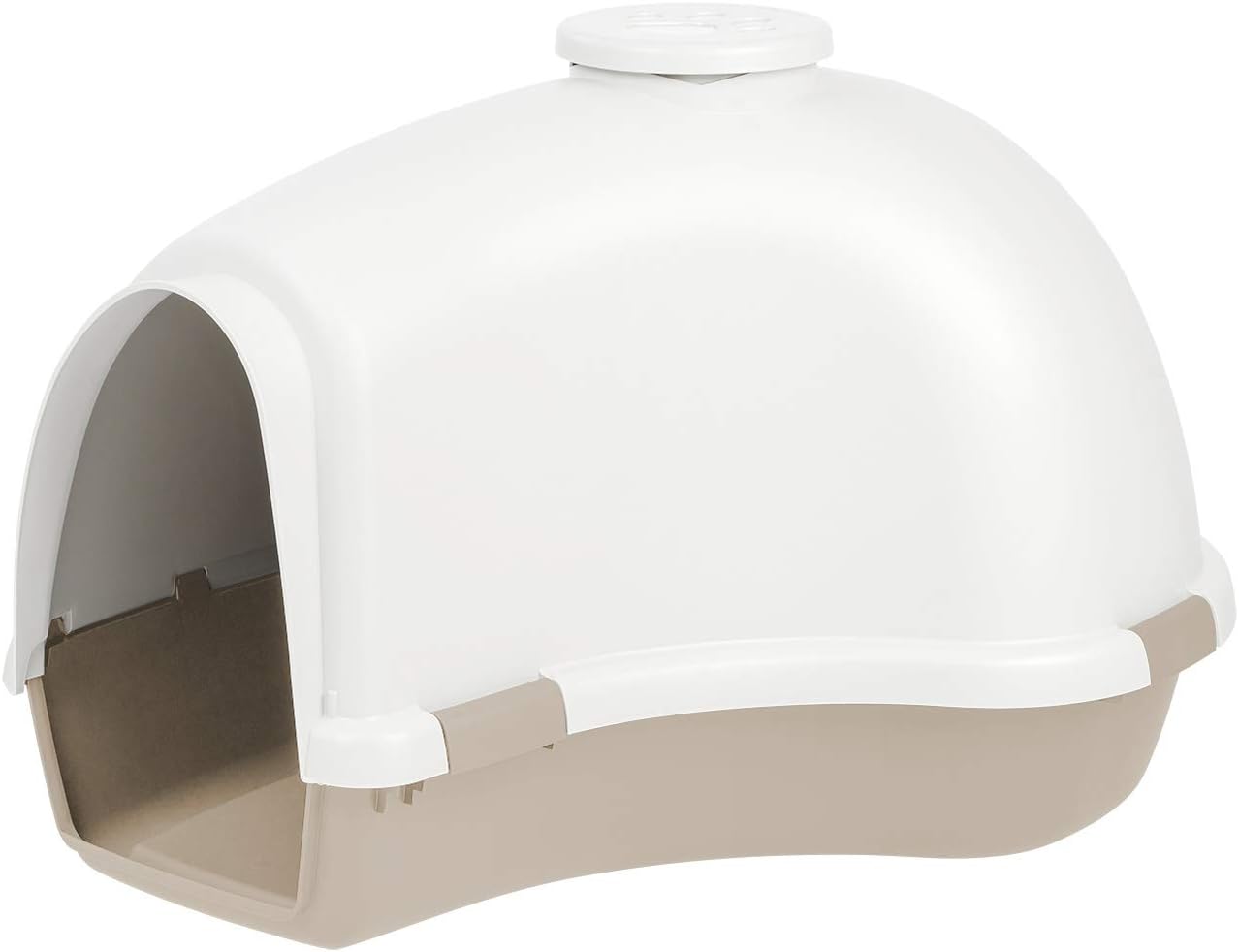
IRIS USA Igloo
Molded-plastic dome deflects wind and traps a pad’s warmth, best-value plastic house.
What we like
- Cheap & durable
- Holds heat
The catches
- S to M dogs
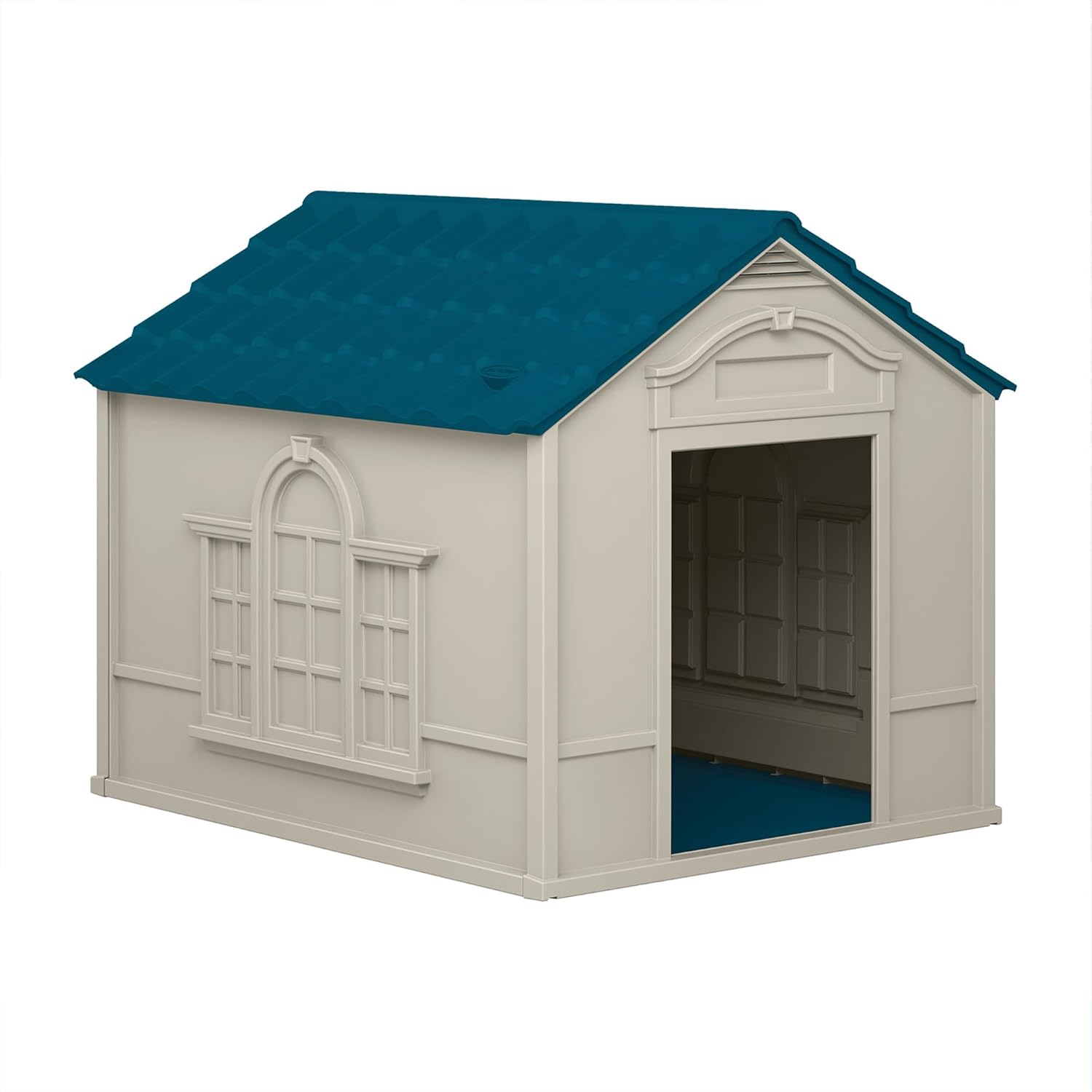
Suncast Outdoor Dog House
No-maintenance resin, vented, channeled floor, won’t rot or rust. Great mild-climate value.
What we like
- Zero maintenance
- Value
The catches
- Not insulated
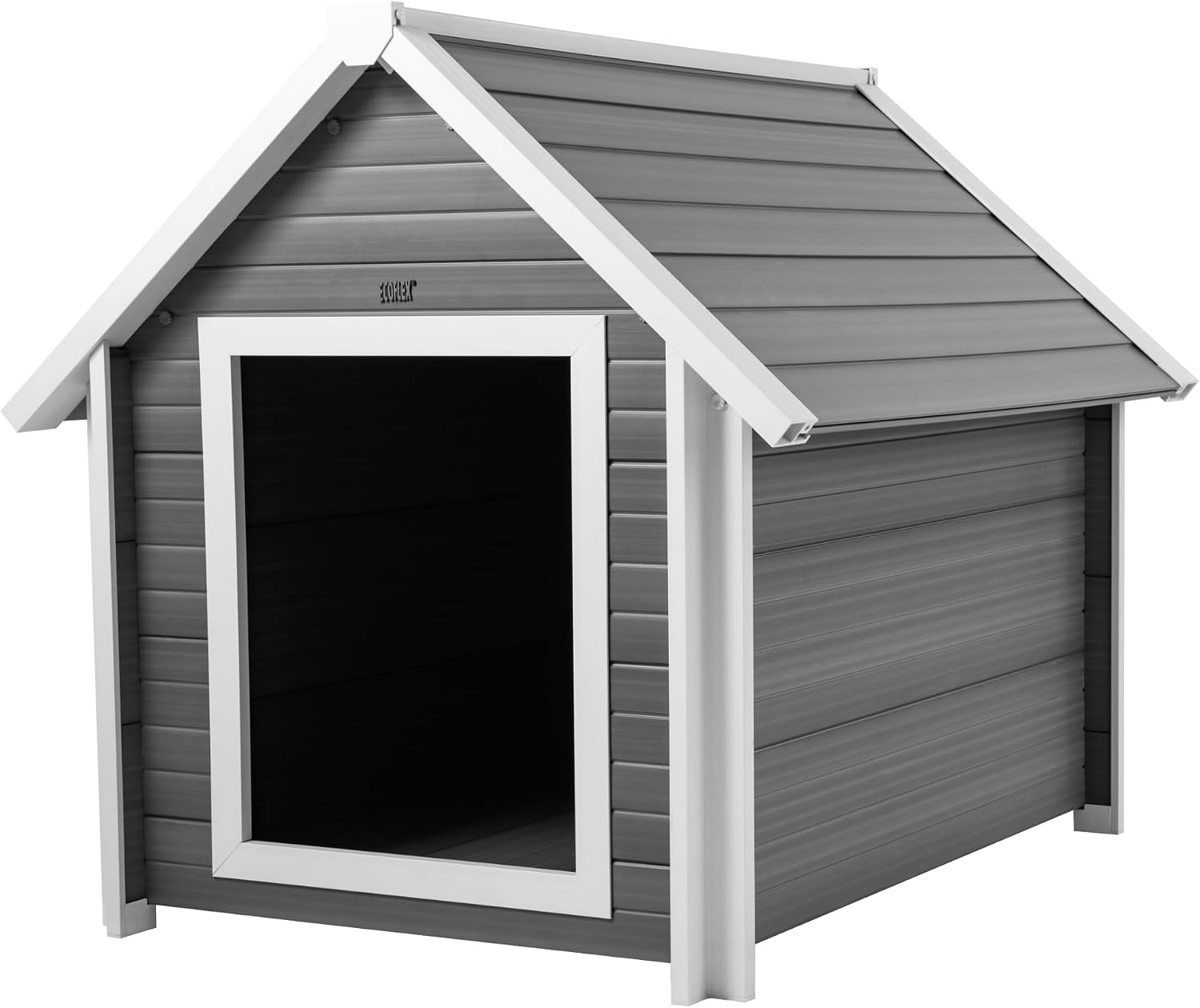
New Age Pet ECOFLEX
Recycled wood-plastic composite that won’t rot, warp or crack, wood’s look without upkeep.
What we like
- Low maintenance
- Well-built
The catches
- Pricier
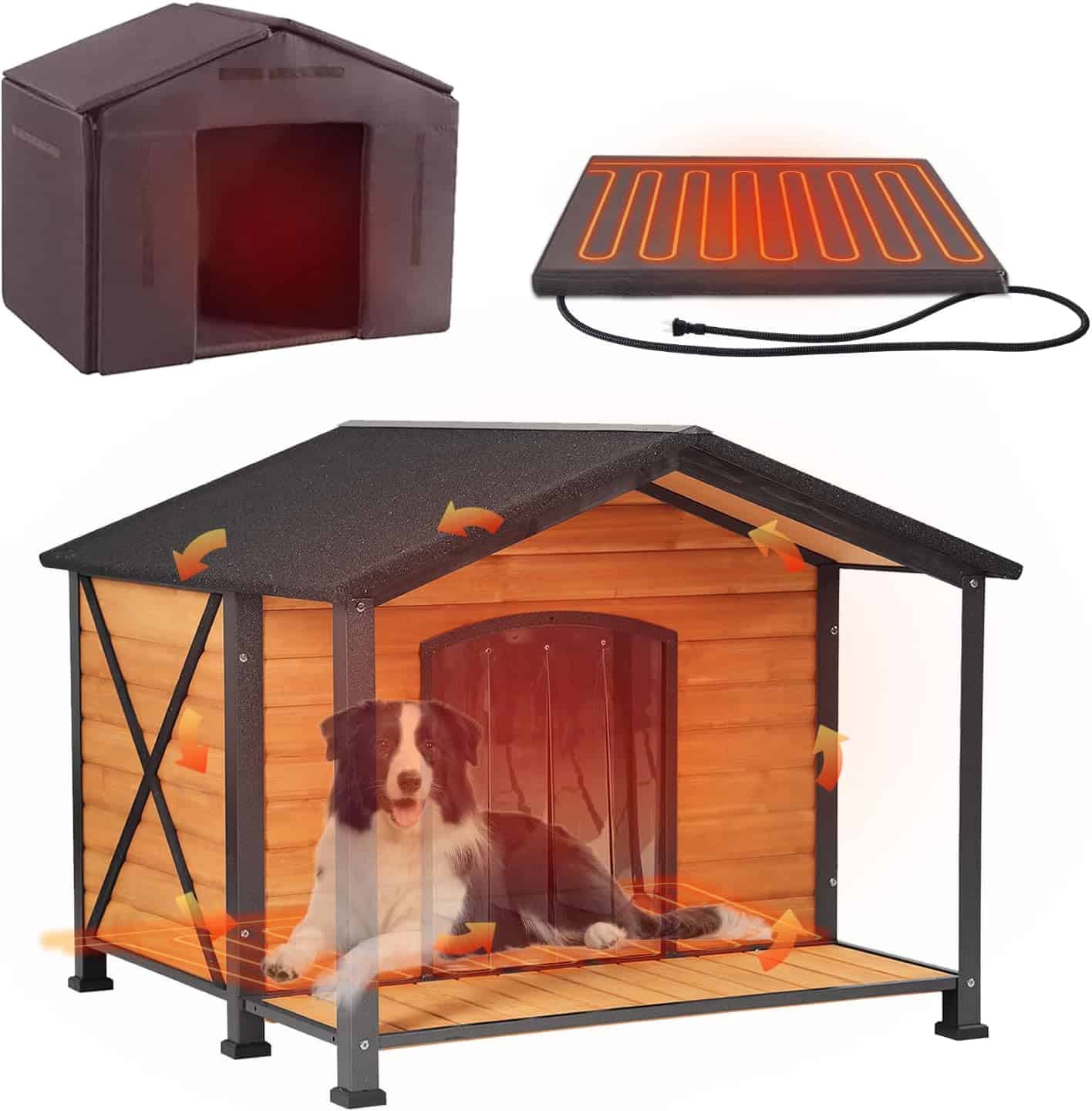
Aivituvin Heated Wood House
Fir wood with heating pad, insulated liner and porch, our top heated pick.
What we like
- Real winter warmth
- Chew-proof
The catches
- Premium price
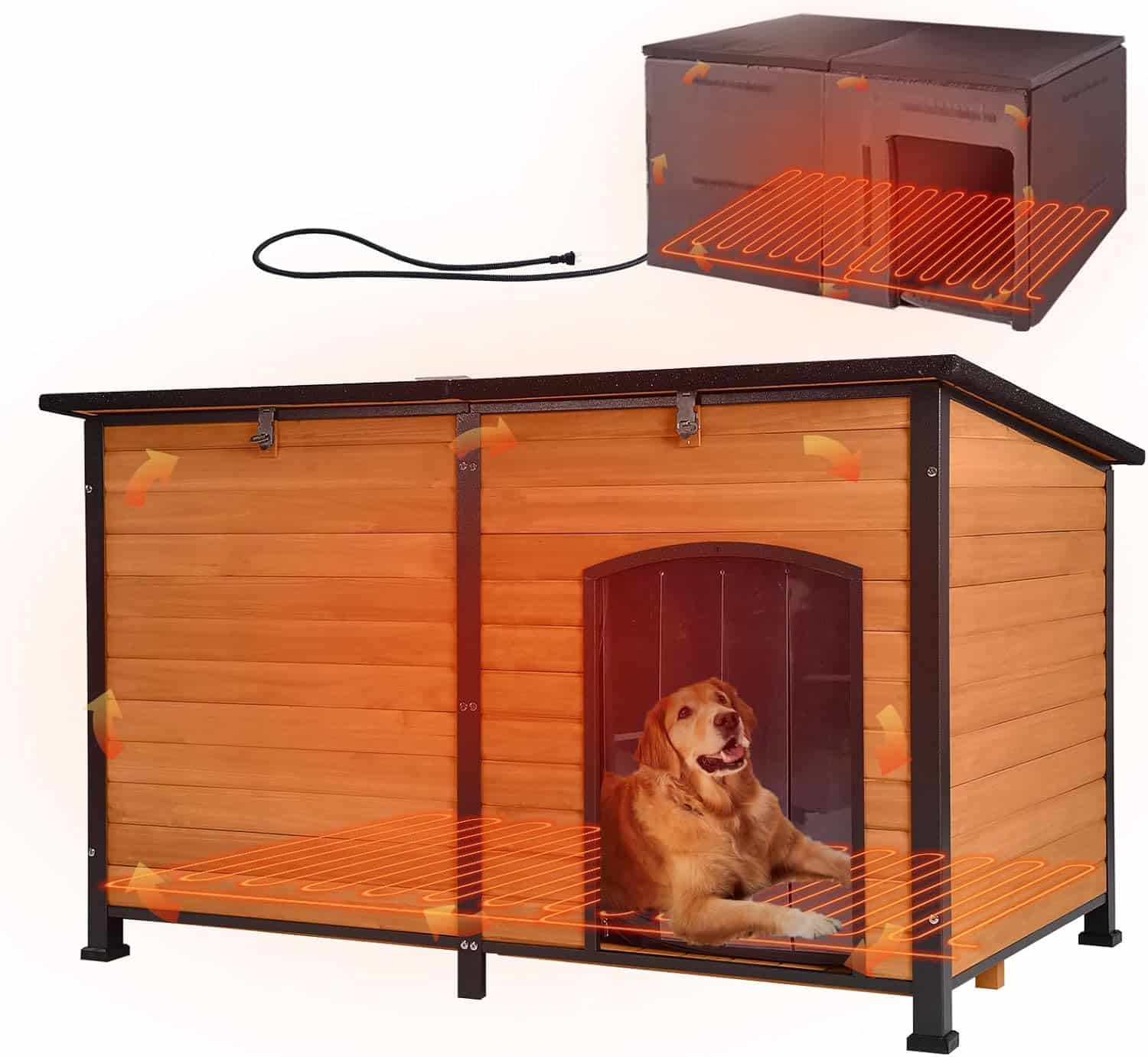
GUTINNEEN XL Heated House
Oversized lodge with thermostat pad and 6-sided thermal liner, warmest large-breed pick.
What we like
- Big-dog room + warmth
- Chew-proof
The catches
- Big & heavy
Materials to Build a Dog House
Owning a dog is a big responsibility. It’s essential to consider their needs when designing the home that you provide them with. One of the most important considerations is the material that your house will be made from.
In this article, we will discuss the different materials you can use for your dog house. We will go over the benefits and disadvantages of each type. Hopefully, this information will help you decide what kind of material to choose for your arrangement so you can best accommodate your dog’s needs and keep them happy and healthy in their new home.
The type of material determines how durable it is. You also need to consider its safety and the climate your dog will endure. Some materials work better for dog houses than others based on the environment around them.
Wood Used in Dog Houses to Pros & Cons
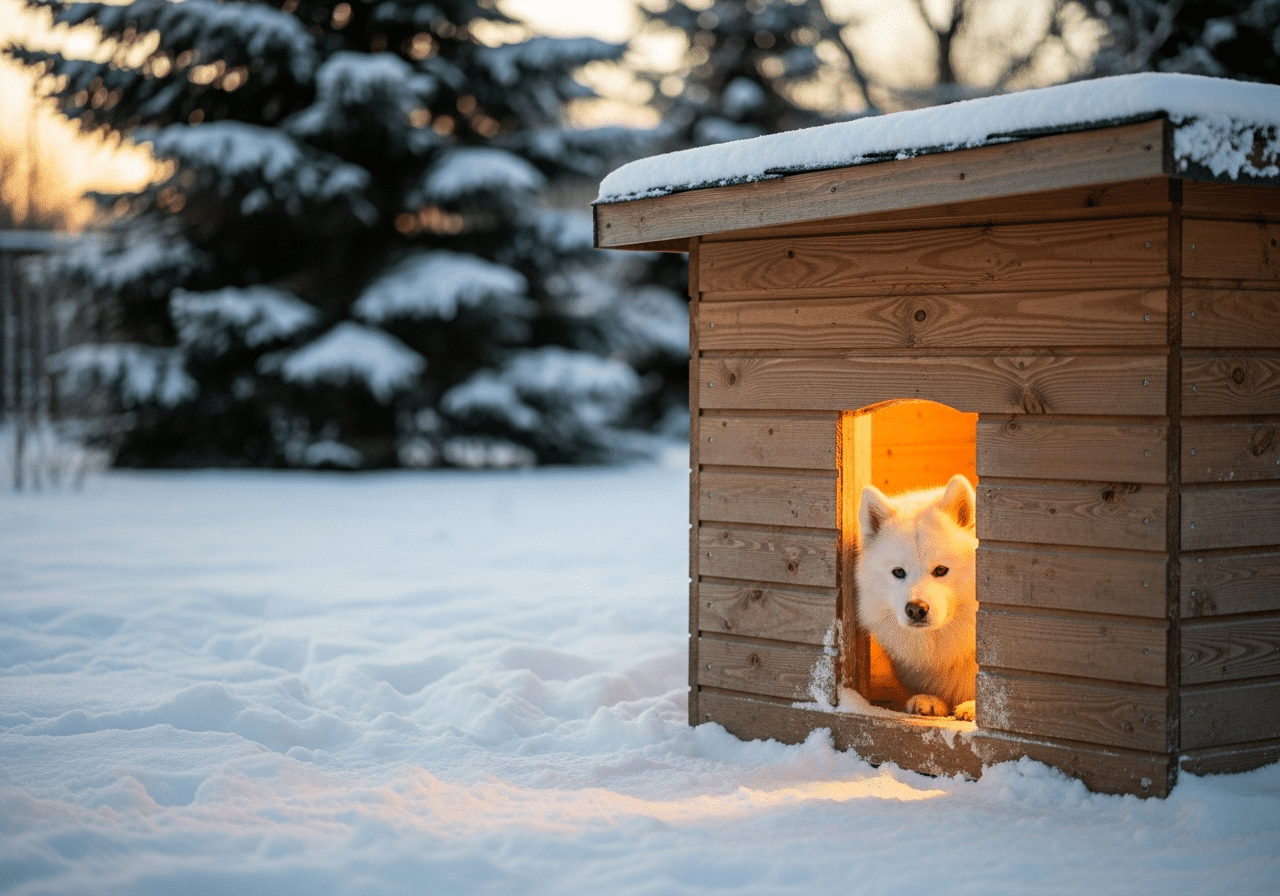
The most popular types of woods used in dog houses are cedar, redwood, and pines. These woods have different characteristics that make them more suitable for some areas.
Cedar or redwood are good choices because they are less susceptible to insects than other types of wood. This keeps the dog’s house free from pests, which is important.
Cedar: Cedar has many benefits, including lasting longer than other types of wood and being more resistant to pests. However, the smell can be bothersome to some dogs.
Redwood: Redwood is also insect resistant but not as common as cedar. It is easy to work with but can be pricey.
Other pines: Pine wood is easy to work with and affordable. It, however, doesn’t have that natural resistance to insects and the elements and will require much more maintenance.
Types of Plastic Used in Dog Houses to Pros & Cons
Plastic dog houses are perfect as they hold up to the elements very well. They are usually great at keeping the rain and wind out. Many dog owners might think plastic is cheap, but that’s not the case. Many plastic dog houses are well constructed and will last a long time. They have little to no maintenance and are lightweight. This allows you to move them around when cleaning the surrounding area. Most pet carriers are made from plastic materials.
Plastic doesn’t absorb the pet’s smells as much as wood. They can be sprayed down and cleaned when the pet has soiled on them. They are typically easier to assemble than wooden dog houses.
However, over time, the plastic dog houses will start to get brittle. They can crack and break off pieces that could injury your dog. It would be best if you always kept an eye out for deterioration.
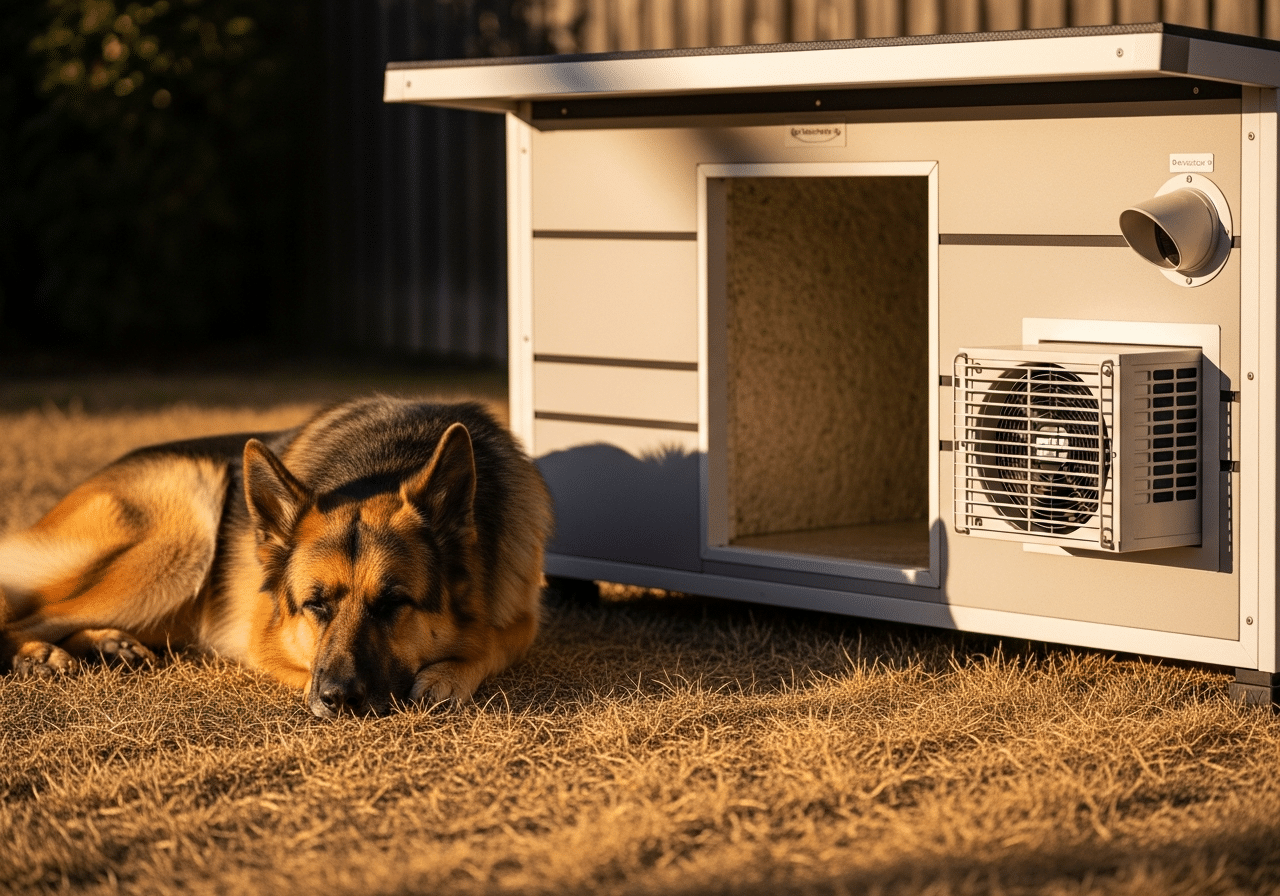
A plastic dog house will need virtually no maintenance. Sometimes, you may want to hose it off and clean it, but that is for any home your dog is using. Keeping the home clean with fresh straw is important as well. Remember, an outdoor dog house is great in the fall and spring but may not be ideal in the summer and winter. Extreme heat makes a dog house an oven. Be sure that you provide plenty of shade and ventilation.
About My Little and Large
Our passion is providing quality products for pets.
Keeping your dog safe and secure with quality products is our only purpose. We can agree that quality beats price any day.
Team Tested and Team Approved
Our team is comprised of well-researched and accurate representations of items and products. If you find any information that is contradictory to that we would love to update our records. Being real people we sometimes make a mistake and we appreciate you understanding that. More about My Little and Large
Dog House Material FAQs
What is the best material for a dog house?
Insulated wood is warmest, resin/plastic is lowest-maintenance and won't rot, and wood-plastic composite blends durability with a wood look. Match the material to your climate.
Is a plastic or wooden dog house better?
Wood insulates better and looks nicer but needs upkeep; plastic/resin is weatherproof, easy to clean and won't rot, better for hot or wet climates.
What wood is best for a dog house?
Cedar and fir naturally resist rot and insects and handle weather well. Always seal it, and avoid pressure-treated wood near pets.
How thick should dog house walls be?
For real insulation, look for double walls with rigid foam (about R-10 to R-15); thicker insulated walls hold heat in winter and keep it out in summer.
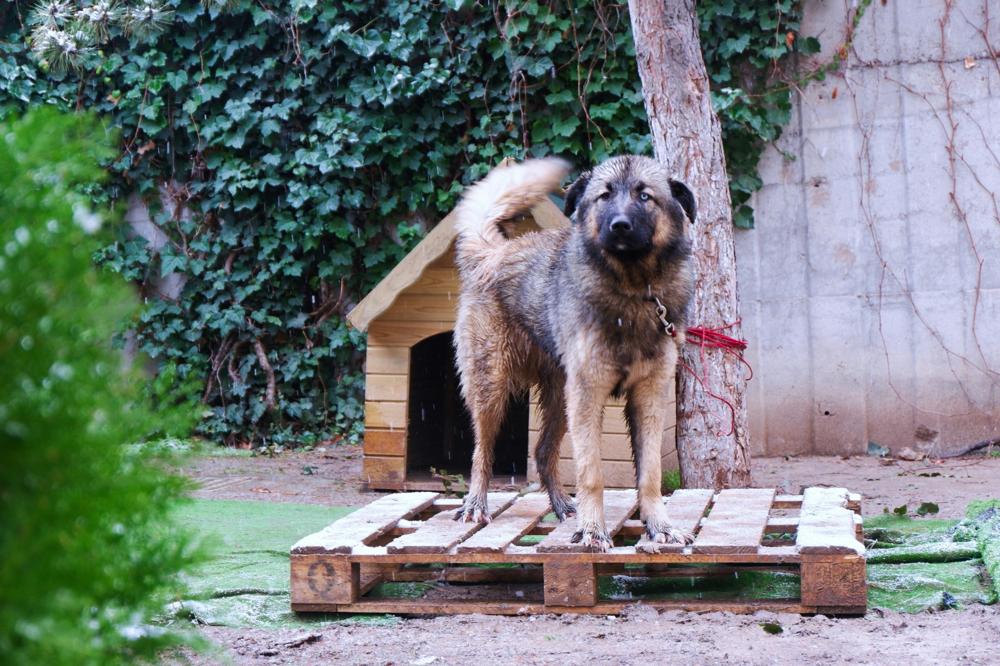
Does a dog house need a floor?
Yes, a raised, insulated floor keeps your dog off cold, wet ground and dramatically improves warmth and comfort.