 Dog Gear, Sized Right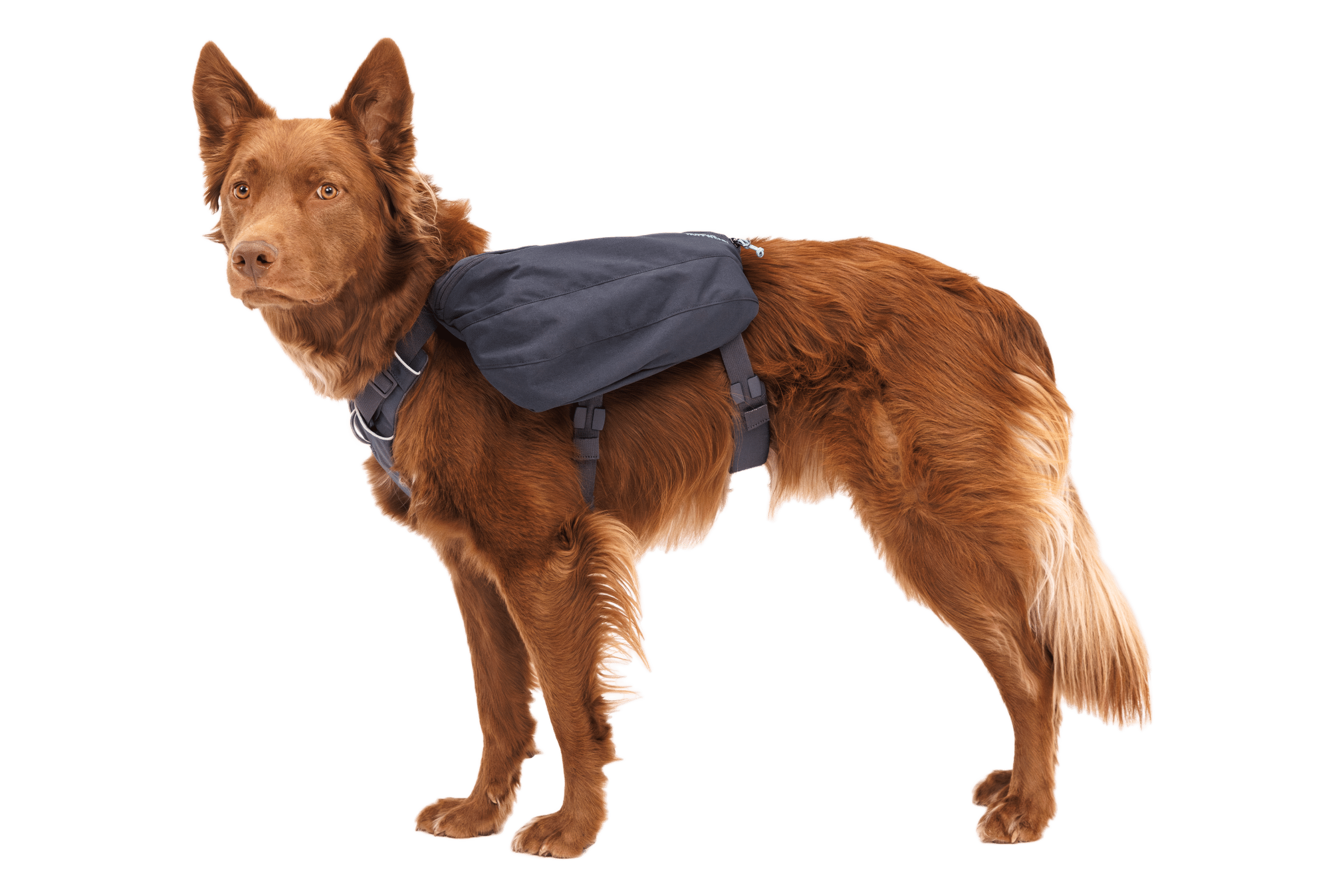
Ruffwear Front Range Day Pack
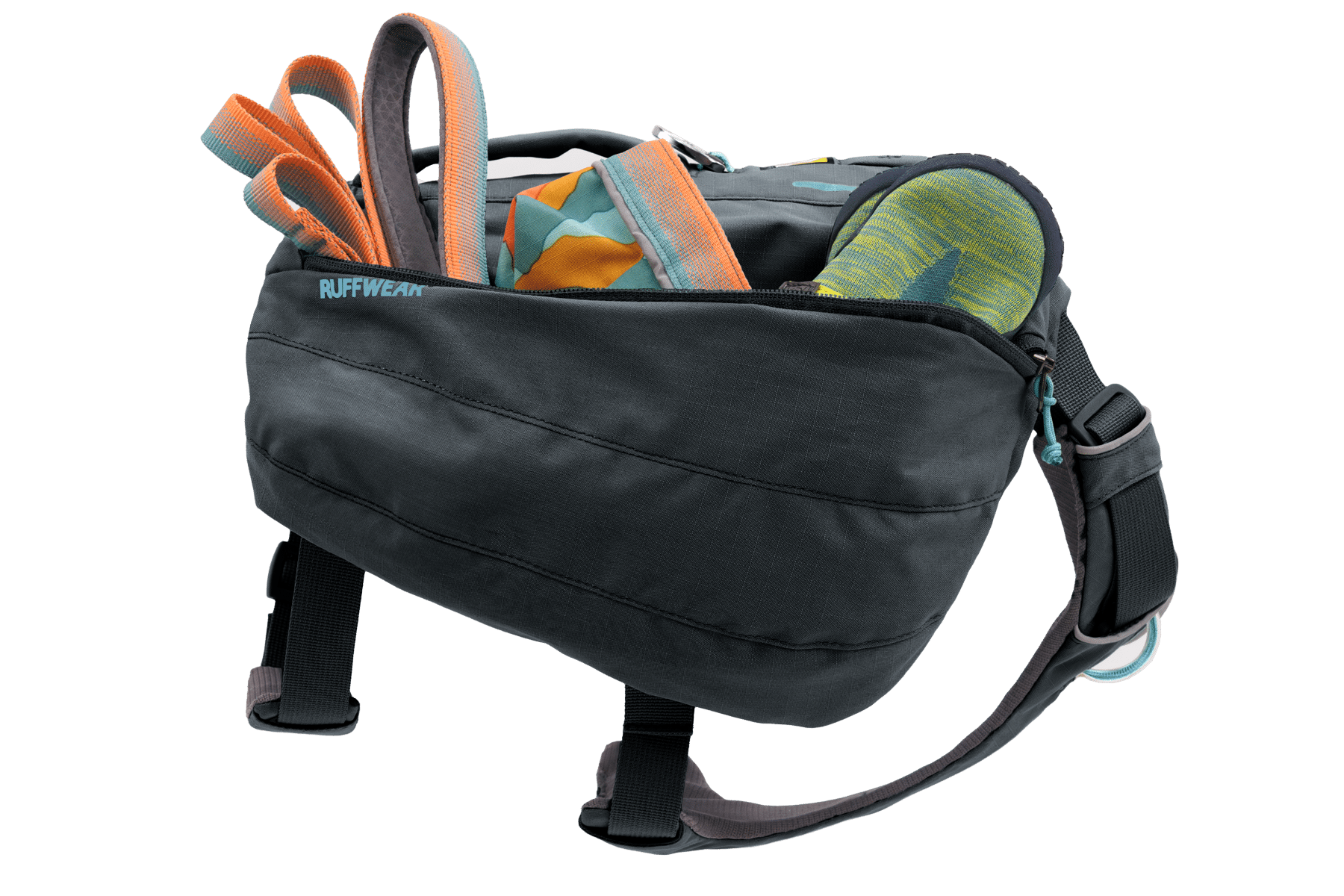
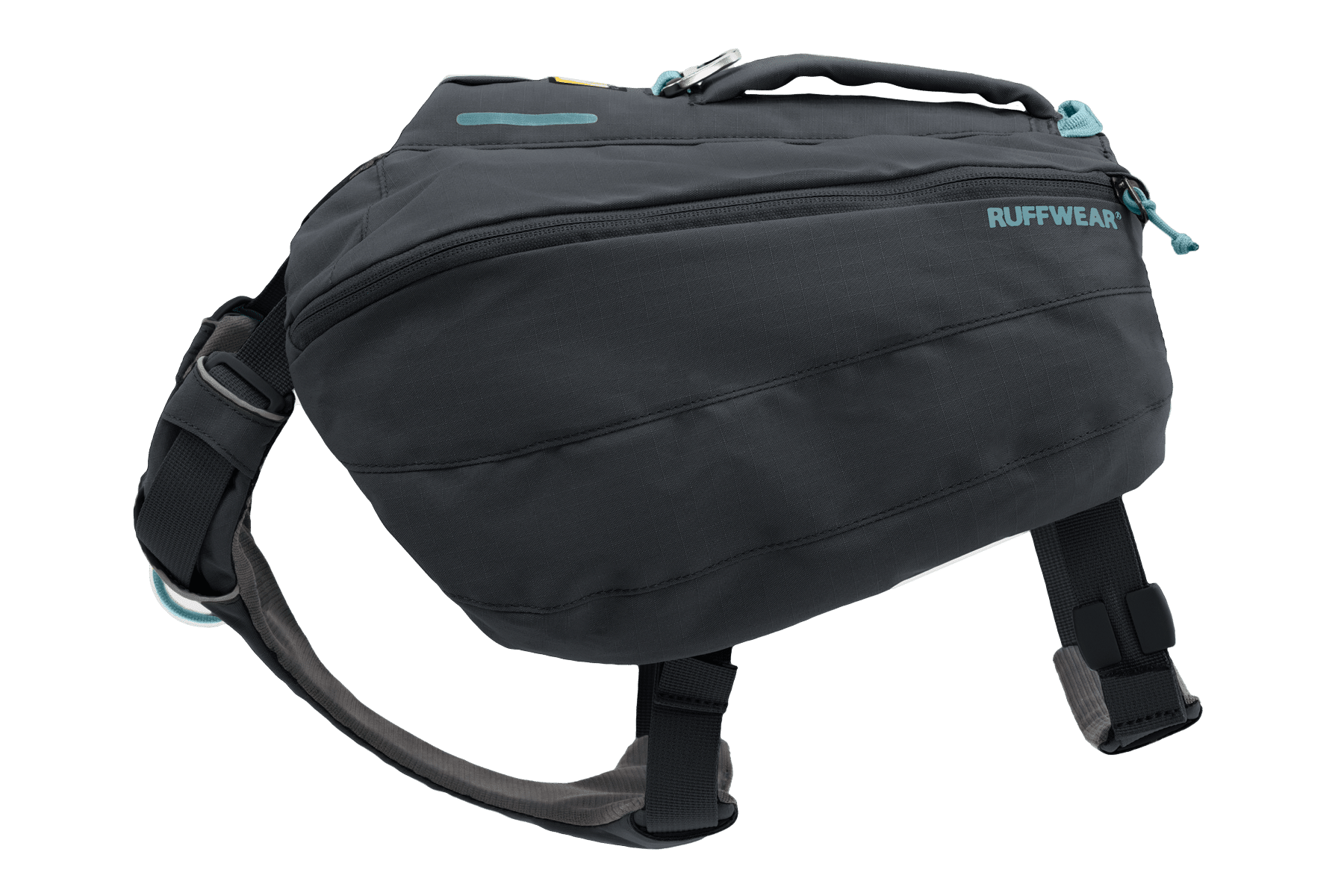
The Front Range Day Pack is the entry pack we hand most owners first: a padded, balanced harness with stowable saddlebags that lets a healthy adult dog carry its own water and snacks on a day hike. It is built for day trips, not multi-day expeditions, but the comfortable fit, low-rub padding and easy pack-up make it the daypack we reach for on the trail.
Ruffwear Front Range Day Pack at a glance
| Capacity | Day-hike volume, water, snacks, waste bags, light layer |
|---|---|
| Saddlebags | Stowable, roll-away bags compress flat when empty |
| Padding | Foam-padded chest & belly panels to spread the load |
| Sizes | XXS to L (fits ~13 to 42 in girth across the range) |
| Attachment | Four points of adjustment + harness-style buckles |
| Hydration | Holds standard water bottles or collapsible bowls |
| Material | Durable, abrasion-resistant ripstop with reflective trim |
| Price | ~$51.99 (varies by size & color) |
Who it’s for
The Front Range Day Pack is the dog backpack we point most owners to first, a comfortable, balanced daypack for a healthy adult dog that wants to earn its keep on the trail.
It suits day hikers, weekend backpackers and trail runners whose dogs are fit, fully grown and used to carrying a little weight. With it, a strong adult dog can carry its own water, snacks, waste bags and a light layer, taking that load off your pack and giving a high-energy dog a job to focus on. It is ideal for medium and large breeds with the build to handle a balanced load over a few hours. It is not the pack for puppies, seniors or dogs recovering from injury, and it is built for day outings rather than multi-day expedition loads. If your dog is healthy, fit and bored on easy walks, a daypack is one of the best upgrades you can make.
Carrying capacity & balance
The Front Range Day Pack is sized for a day hike, not an expedition, the stowable saddlebags swallow two water bottles, a folded layer, snacks and a waste-bag roll without bulging, and that is exactly the right amount of gear for a few hours on the trail. The standout is balance: the two bags sit low and even on either side of the body, and the harness base keeps the weight centered over the dog’s shoulders and ribs rather than letting it sag toward the hips. Pack the heavier items (water) low and split them evenly left to right, and the dog moves naturally without listing to one side. When the bags are empty, they roll away and compress flat, so the pack doubles as a plain harness for the walk back once the water is gone. It is the most natural-carrying entry daypack we have fitted on a big dog.
Comfort & fit on the trail
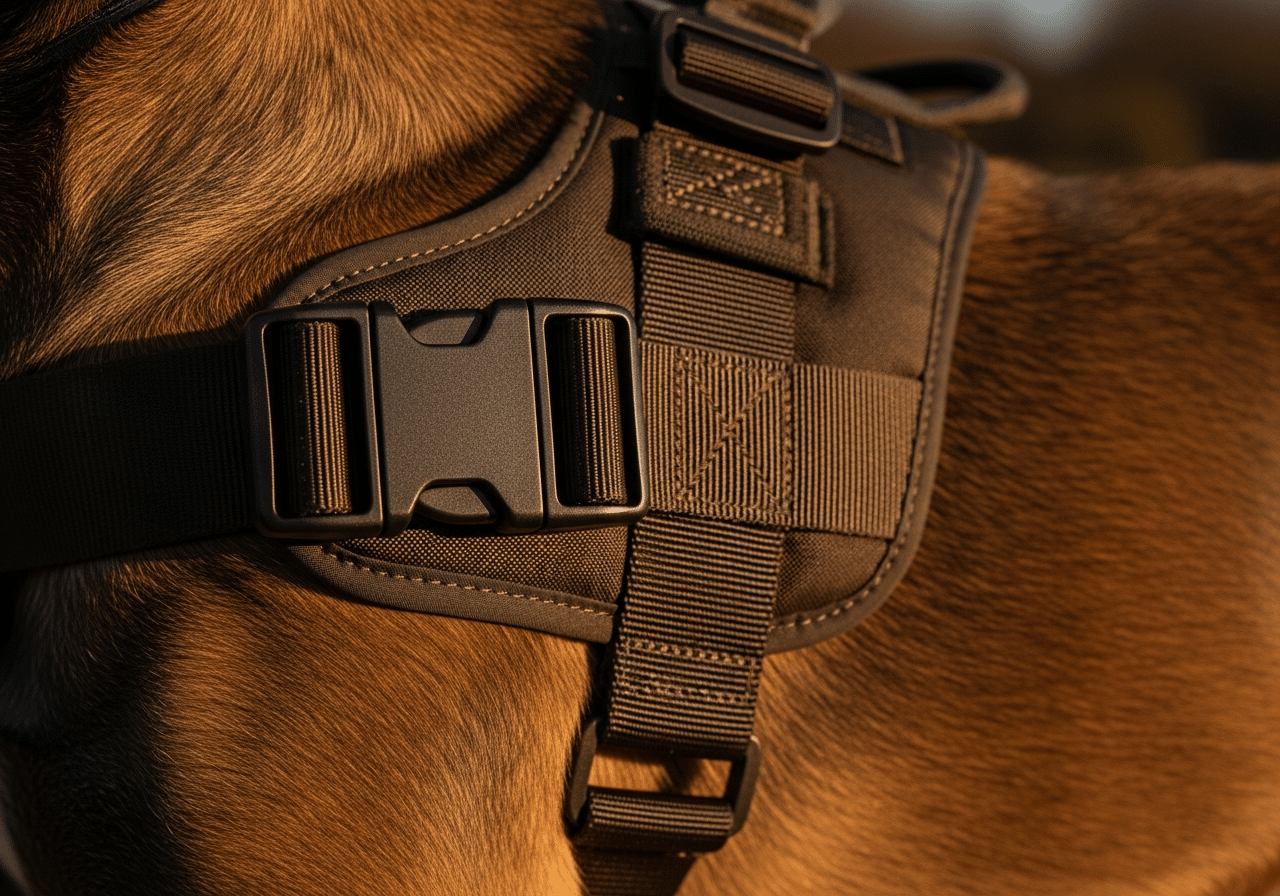
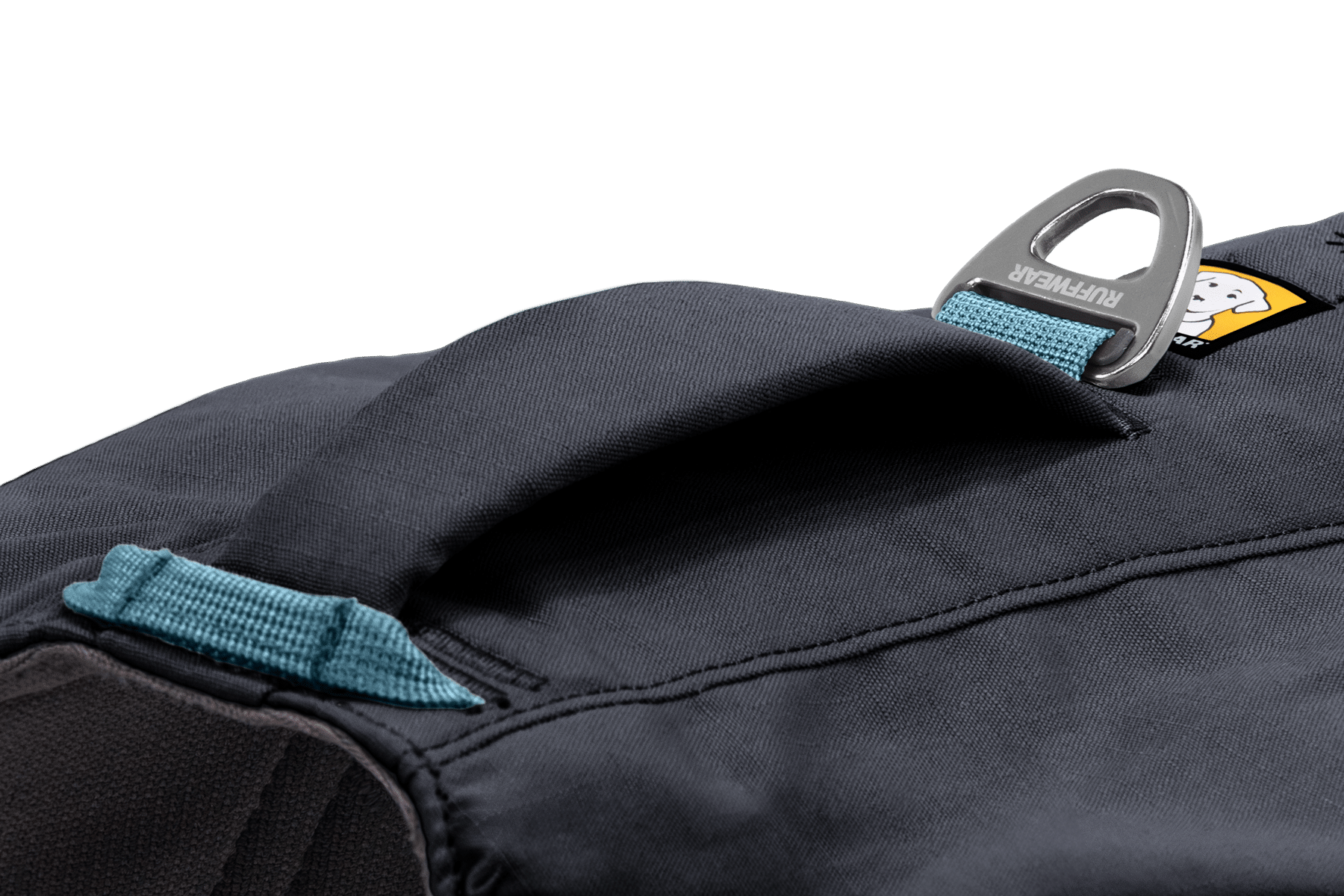
A loaded pack lives or dies on padding, and the Front Range Day Pack gets it right with foam-padded chest and belly panels that spread the load across a wide area instead of digging in along narrow straps. Over a few hours that is the difference between a dog that keeps trotting happily and one that starts shrugging the pack off. Four points of adjustment let you dial the fit to the dog’s shape so the bags don’t sway, bounce or rub at the armpits on a fast descent, the most common chafe point on cheaper packs. A reinforced top handle sits over the shoulders so you can spot or lift the dog over rocks and stream crossings, and reflective trim keeps it visible at dawn, dusk or in tree cover. Get the fit snug but not tight, aim for two fingers under each strap, and the pack disappears against the dog.
How much weight a dog can carry
The honest rule we give owners: a fit, healthy adult dog can carry roughly 10 to 15% of its body weight, and you should build up to even that gradually. For a 70-pound dog that is around 7 to 10 pounds, comfortably enough for water, snacks and the day’s odds and ends, which is exactly what this pack is sized for. Start light, with empty bags or just a folded leash for the first outings, then add water bottles over a few hikes so the dog learns to balance the load. Puppies (whose joints are still developing), seniors and dogs with any joint, heart or weight issues should not carry a loaded pack at all, check with your vet first. And on hot days, drop the weight: the pack adds a little heat, so prioritize water over gear and let the dog set the pace. Loaded correctly, the weight is a benefit, giving a high-drive dog a calming job on the trail.
If your dog is a fit, fully grown adult, the Front Range Day Pack is the easiest way to let it carry its own water and snacks on a day hike, the padding, balance and stowable bags are dialed in for exactly that. It is not built for multi-day loads, puppies or seniors, but as a comfortable, well-balanced entry daypack it is the one we reach for first.
Pros & catches
What we like
- Foam-padded panels spread the load so it won’t rub on long days
- Saddlebags sit low and balanced, keeping the dog moving naturally
- Bags roll away and compress flat, so it works as a plain harness too
- Four adjustment points dial in a snug, no-sway fit
- Reinforced handle and reflective trim add real trail safety
The catches
- Sized for day hikes only, not enough volume for multi-day loads
- Not for puppies or seniors, whose joints can’t take a loaded pack
- Adds a little heat, so cut the weight and prioritize water on hot days
Ruffwear Front Range Day Pack FAQs
How much weight can a dog carry in a backpack?
A fit, healthy adult dog can carry roughly 10 to 15% of its body weight, and you should build up to even that gradually. For a 70-pound dog that is around 7 to 10 pounds, enough for water, snacks and the day’s essentials. Start with empty or near-empty bags for the first outings, then add weight over several hikes. Puppies, seniors and dogs with joint, heart or weight issues should not carry a loaded pack, check with your vet first.
Is the Ruffwear Day Pack good for big dogs?
Yes, it runs XXS to L and the larger sizes fit medium and large breeds well, with padded panels that spread a balanced load across a big dog’s chest and belly. For a fit adult large dog it is one of the most comfortable entry daypacks we have fitted. Measure your dog’s girth just behind the front legs and match it to Ruffwear’s chart rather than guessing by breed, and go by girth first if your dog is between sizes.
How do I fit a dog backpack?
Measure your dog’s girth just behind the front legs and its neck, then match both to Ruffwear’s size chart instead of guessing by breed. With the pack on, use the four adjustment points to snug it down to a two-finger gap under each strap, tight enough that the bags don’t sway or bounce on a descent, loose enough that the legs and shoulders move freely. Pack the heavier items low and split the weight evenly left to right so the dog stays balanced.
What should I put in it?
Stick to the day’s essentials: water (the heaviest and most useful item), a collapsible bowl, snacks or kibble, a waste-bag roll, and maybe a light layer or first-aid basics. Pack the water low and balanced on both sides so the load sits even over the shoulders. Keep the total within 10 to 15% of your dog’s body weight, and on hot days prioritize water over extra gear, the pack adds a little heat, so lighten the load and let the dog set the pace.
When should a dog not wear a pack?
A dog should not carry a loaded pack if it is a puppy whose growth plates are still developing, a senior, or a dog with any joint, heart, breathing or weight issue, the extra load can do real harm, so check with your vet first. Skip the weight on very hot days too, since a pack adds heat. The harness itself can still be worn unloaded with the saddlebags rolled away, but the carried weight should wait until the dog is fit, fully grown and cleared to carry it.